Maradona Death Trial: Luque and Cosachov Speak Before 8 October Closings
ARGENTINA · JUSTICE
Key Facts
- —What happened Leopoldo Luque and Agustina Cosachov, the two main defendants, gave their last statements to a San Isidro court on 29 September 2026.
- —The stage The hearing closed the evidence phase after 45 hearings and 103 statements, Perfil reported; closing arguments come next, not the verdict.
- —The charge Seven health workers face charges of homicide with eventual intent, which carries eight to 25 years in prison.
- —The catch No verdict date has been set, and the defendants deny that their care caused Diego Maradona’s death in November 2020.
- —What comes next Prosecutors and the family’s lawyers argue on 8, 13 and 14 October, and the defences on 20, 21 and 22 October 2026.
The Maradona death trial has closed its evidence phase. The two main defendants insist they cared for the football star and did nothing wrong.
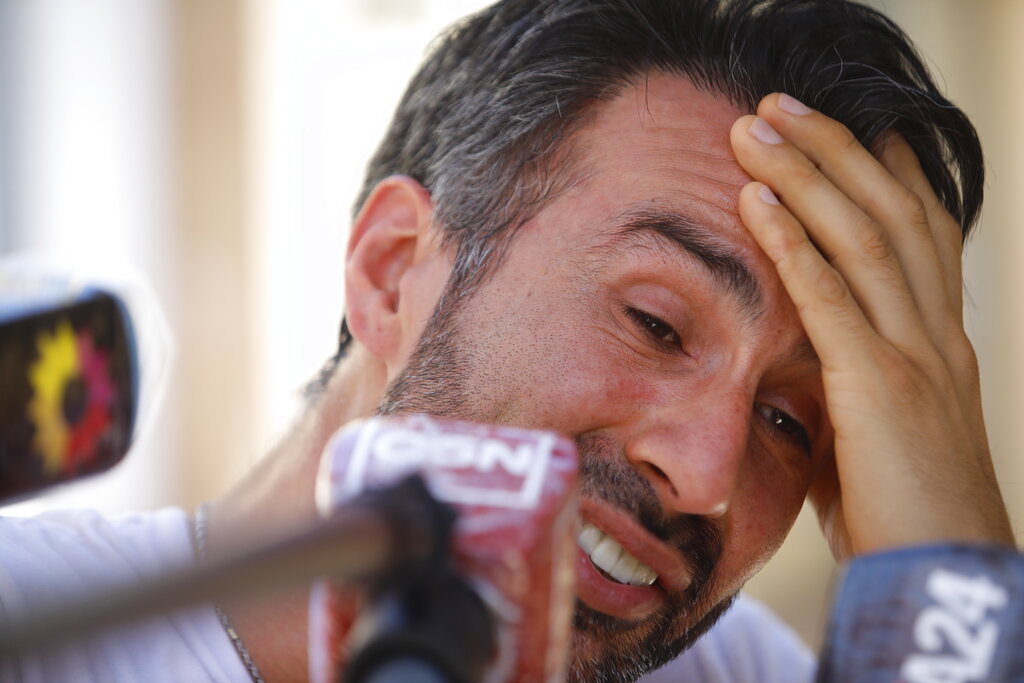
The two main defendants in Argentina’s Maradona death trial gave their last statements on Tuesday 29 September 2026. Neurosurgeon Leopoldo Luque and psychiatrist Agustina Cosachov spoke before the court moves to closing arguments in October.
Luque: “I was there because I loved him”
Luque was Diego Maradona’s personal doctor in his final months. He told the judges that private chats in the case file had been used to paint a false picture of their relationship.
“They took out 10 or 15 chats from more than 100,000 to show contempt for Diego,” he said. “It is the opposite,” he added, according to the Argentine news outlet Perfil.
Luque denied that he stayed close to Maradona for fame or money. He also denied acting as the lead physician during the home care, saying other professionals had specific roles.
“The easiest thing is to say that Luque was in charge of everything,” he said. He argued that Di Spagna had prescribed treatment, which he said went beyond a consultant’s role.
“I blame no one,” Luque said. He cited defence experts who concluded that Maradona died of a sudden, acute and unpredictable event.
Cosachov defends the home-care decision
Cosachov, a psychiatrist, explained why Maradona was treated at a rented house instead of a clinic after his brain surgery. She said a psychiatric clinic was the best option, but admission had to be voluntary.
According to Cosachov, Maradona did not meet the legal test of being a danger to himself or others. A serious home-care arrangement was therefore the most workable choice, she said.
She admitted she had not read the discharge document she signed with Luque, family members and the health insurer Swiss Medical. “I believe nobody read it,” she said.
“I am very sorry for what happened,” Cosachov told the court. “I always tried to do the best I know.”
She called the years since his death “very hard”. “Something that has helped me a lot is having a clear conscience about what I did,” she said.
Five other defendants
Seven health workers are on trial in total. Physician Pedro Di Spagna and Nancy Forlini, home-care coordinator at Swiss Medical, also gave final statements on Tuesday.
Psychologist Carlos Díaz, nurse Ricardo Almirón and nursing coordinator Mariano Perroni chose not to speak. Forlini had earlier told the court that Luque and Cosachov were the treating doctors, which they deny.
What the prosecution argues
All seven face charges of homicide with eventual intent. Prosecutors say the team knew its actions or omissions could kill the patient, yet failed to prevent it.
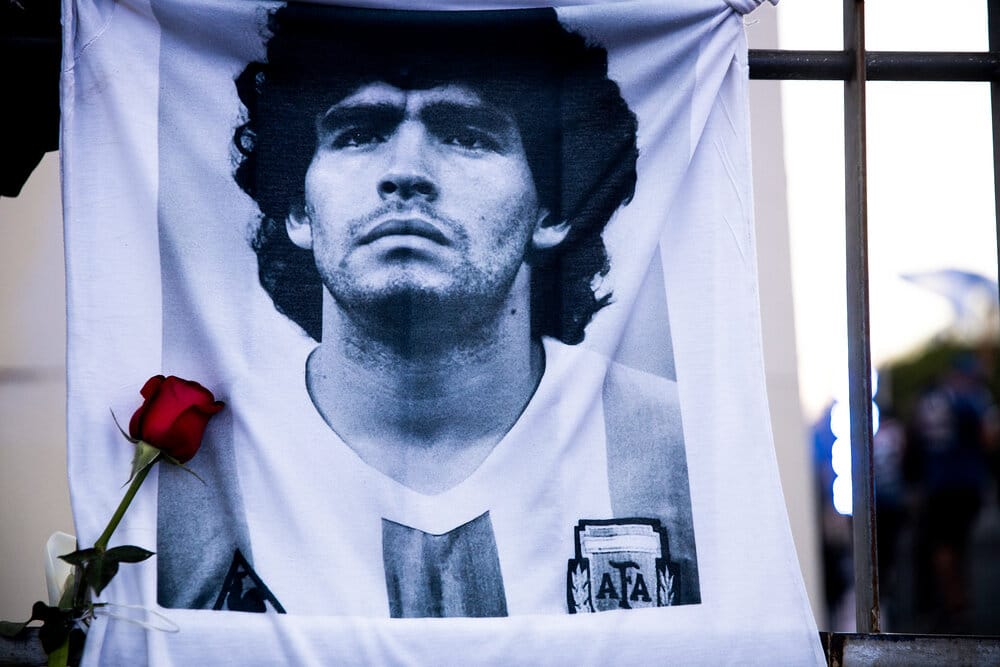
Maradona died on 25 November 2020, aged 60, in a rented house in a gated community in Benavídez, north of Buenos Aires. He was recovering from surgery for a blood clot on the brain.
Experts on the official medical board called the team’s care “inadequate, deficient and reckless”, Perfil reported. A cardiologist testified that the team ignored clear signs of heart failure, such as fluid retention.
A second trial after a scandal
This is the second attempt to try the case. The first trial was annulled in May 2025 after judge Julieta Makintach took part in an unauthorised documentary.
The retrial opened in April 2026 before a new three-judge bench. The court is San Isidro’s Oral Criminal Court 7, with judges Alberto Gaig, Alberto Ortolani and Pablo Rolón.
What comes next
Prosecutors and the lawyers for Maradona’s family will present closing arguments on 8, 13 and 14 October 2026. The defence teams will follow on 20, 21 and 22 October.
Only then will the three judges deliberate on each defendant. The court has not announced a date for the verdict.
Why the case still matters
Almost six years after his death, Maradona remains a national figure in Argentina. Lawyers for his family are among the plaintiffs who will argue in October.
The trial also tests how responsibility is shared when a private insurer, doctors and nurses run care at home. That model is common for wealthy patients across the region.
The judges must now weigh two readings of the same evidence: preventable neglect or a sudden, unforeseeable death. Their verdict will close a case that already had to start over once.
More: Argentina news, every day from The Rio Times.
Frequently Asked Questions
Is the Maradona death trial over?
No. The evidence phase ended on 29 September 2026, and closing arguments are scheduled for 8 to 22 October. No verdict date has been announced.
Who are the defendants in the Maradona death trial?
Seven health workers are on trial: Leopoldo Luque, Agustina Cosachov, Carlos Díaz, Nancy Forlini, Ricardo Almirón, Mariano Perroni and Pedro Di Spagna. All face charges of homicide with eventual intent.
What sentence could the defendants face?
The charge carries between eight and 25 years in prison. The defendants deny responsibility, and the court will rule on each one separately.
This article was produced by The Rio Times’ automated newsroom system. How we use AI · Report an error
Read More from The Rio Times