Rubis Said to Quit Kenya State Oil Rescue
A planned rescue of Kenya's struggling state oil company is reported to have fallen apart. Fuel subsidies drained the fund that was meant to pay for it.

KENYA · FUEL · BRIEF
Business Daily, a Nairobi financial daily, reported on 25 November 2026 that a deal to rescue Kenya’s state-owned National Oil Corporation (Nock) has collapsed. The paper cited one anonymous source and said the French fuel group Rubis walked away over a funding gap of Sh2.1 billion (about US$16.1 million), in Kenyan shillings (Sh) at Sh130.15 per US$.
The report carries no comment from Rubis or the Energy Ministry. It therefore rests on a single source, and neither party had confirmed it when this Brief was written.
Key Facts
- Who. Kenya’s state-owned National Oil Corporation (Nock) and French fuel group Rubis.
- What. The US$46.1 million rescue partnership reportedly collapsed over a US$16.1 million loan funding gap.
- Where and when. Nairobi, Kenya; reported 25 November 2026. No confirmation from Rubis or the Energy Ministry.
- Next. Whether the Treasury finds the money and whether Rubis formally withdraws are both open.
- As of. 26 November 2026, 09:00 GMT
A planned rescue of Kenya’s struggling state oil company is reported to have fallen apart. Fuel subsidies drained the fund that was meant to pay for it.
Rubis had agreed to invest Sh6 billion (about US$46.1 million) in Nock for working capital and to revamp run-down retail stations, Business Daily reported on 25 November 2026. The deal was conditional on Nock clearing a Sh2.1 billion loan owed to Stanbic Bank, a Kenyan commercial lender.
The money was to come from the Petroleum Development Levy (PDL), a fund fed by a charge at the pump that also pays fuel subsidies, the source told Business Daily on 25 November 2026. Steep subsidies since the Middle East war began in April 2026 emptied the fund, so money Parliament approved in the 2025/26 budget was not paid.
Rubis Energy Kenya, the local arm of Paris-based Rubis SCA, is the third-largest oil marketer in Kenya, Business Daily reported. Its market share was 13.77 percent in the six months to December 2025, behind Vivo Energy at 20.6 percent and TotalEnergies at 14 percent.
The partnership was signed in 2024 and gives Nock 70 percent and Rubis 30 percent of profit on every litre sold, Business Daily reported. The Competition Authority of Kenya, the state competition regulator, extended its exemption for the deal to eight years from 13 December 2024, Capital FM, a Nairobi news site, reported in February 2026 citing a Gazette notice of 30 December 2025.
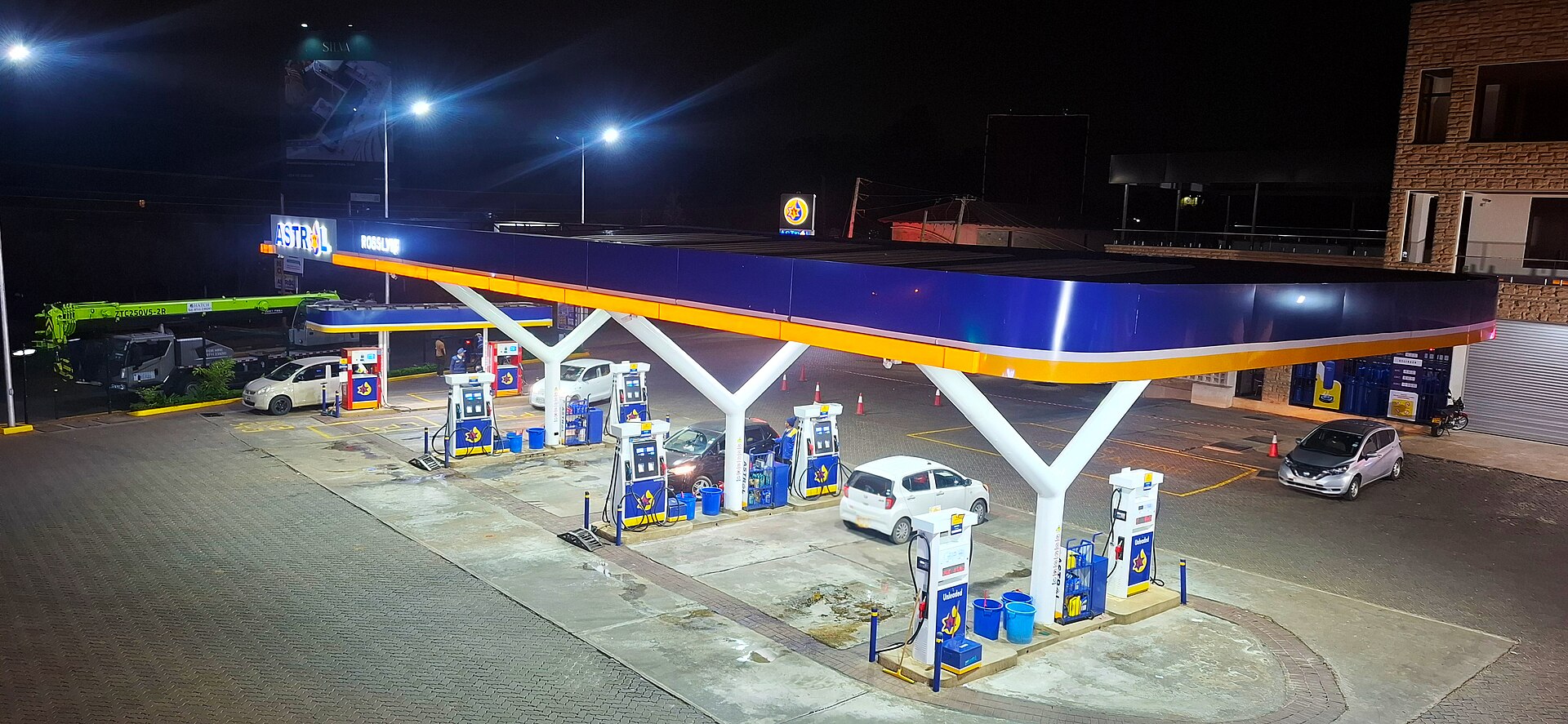
Nock borrowed Sh4.69 billion (about US$36.0 million) from KCB Group, a Kenyan bank, and Sh1.3 billion (about US$10.0 million) from Stanbic Bank more than a decade ago, Business Daily reported. The Treasury, Kenya’s finance ministry, took Sh4.2 billion (about US$32.3 million) from the PDL fund in 2025 to clear the KCB loan, but a Sh2.17 billion (about US$16.7 million) withdrawal earmarked for the year to June 2026 collapsed.
Business Daily said the state has applied a subsidy of up to Sh34.07 a litre (about US$0.26) on diesel since the Middle East war began. Dollar figures here use Sh130.15 per US$, the market close of 25 November 2026.
MPs ordered a special audit of the Nock-Rubis deal, The Star, a Nairobi daily, reported on 1 August 2025. No result of that audit appears in the reporting reviewed for this Brief.
Nock held over 100 fuel stations in the 1990s, Business Daily reported. Petroleum rules reserve 30 percent of monthly fuel imports for it, but its funding problems stop it using that right.
Kenya’s pump prices were already in the news in October, as an earlier report on petrol prices showed. Wider context on the economy and politics sits in the Kenya coverage hub.
Business Daily first reported on 31 August 2026 that the deal had fallen through because the government had not cleared the bank loans, and it put the Stanbic debt at Sh2.5 billion in June 2024. Its latest report cites Sh2.1 billion, so the exact sum owed is unclear, and it is not known whether Rubis has formally withdrawn.
Frequently Asked Questions
Has the Nock and Rubis deal officially ended?
Not on the record. Business Daily reported the collapse on 25 November 2026 from one anonymous source, and no comment from Rubis or the Energy Ministry was published.
Why did the deal fail, according to the report?
Business Daily’s source said subsidies emptied the fund that was to pay Nock’s bank loan. Without that payment the condition for Rubis’s investment was not met.
Does this affect fuel prices for Kenyan drivers?
The report does not say. Nock’s role in the fuel market is small, so any direct effect at the pump is not shown.
Sources: Business Daily, Nairobi (25 November 2026 and an earlier 2026 report); Competition Authority of Kenya Gazette notice of 30 December 2025, as reported by Capital FM, Nairobi (3 February 2026); The Star, Nairobi (1 August 2025).
This article was produced by The Rio Times’ automated AI newsroom. Editorial responsibility: Matthias Camenzind, Publisher and Editor-in-Chief. The Rio Times also runs Ask Rio Times, which answers from 100,000+ of our own articles, the daily Latin America Power Map, and prediction-market odds on elections and markets.. How we use AI · Report an error