
Energy: Kenya
Key Facts
—Who. Kenya’s Energy and Petroleum Regulatory Authority (EPRA), which sets a legal maximum pump price every month.
—What. Nairobi’s maximum price for super petrol rises Sh12.93 to Sh226.96 a litre (about US$1.75, or US$6.62 a US gallon); diesel rises Sh9.90 to Sh227.76 and kerosene Sh28.49 to about Sh220.
—Why. EPRA’s director-general blamed the escalating conflict in the Middle East, which has pushed up the cost of imported fuel; Kenya imports all of its refined products.
—When. The new caps apply from 15 October to 14 November 2026, after a September–October cycle in which prices were left unchanged.
—Why it matters. Kenya is a travel and trade gateway for East Africa, and fuel feeds into transport and food costs. Rate used: US$1 = Sh129.71 (RT, 15 October 2026).
Kenya’s fuel regulator has raised pump prices sharply for 15 October to 14 November, with super petrol up 6% and kerosene up 15%. It links the rise to the conflict in the Middle East.
What EPRA Changed on 14 October
EPRA announced its monthly review on Wednesday 14 October 2026, and the new maximum prices apply from midnight. In Nairobi, super petrol rises from Sh214.03 to Sh226.96 a litre, a gain of 6%.
Diesel moves from Sh217.86 to Sh227.76, up 4.5%. Kerosene, the cooking and lighting fuel of many low-income households, jumps Sh28.49 to about Sh220, a rise of roughly 15%.
Prices differ by town because of transport costs. In the port city of Mombasa, super petrol is capped at about Sh223.8 a litre.
These are ceilings, not fixed prices. A station may charge less than the cap but never more.
The Numbers in US Dollars
At Sh129.71 to the US dollar (RT, 15 October 2026), a litre of super petrol in Nairobi costs about US$1.75. That equals roughly US$6.62 per US gallon.
Diesel costs about US$1.76 a litre and kerosene about US$1.70. The month’s increase works out at about 10 US cents a litre for petrol, 8 cents for diesel and 22 cents for kerosene.
We converted every shilling figure at the same rate, so the comparisons stay consistent. Kenya’s own pump prices are set in shillings.
Why Prices Rose
EPRA Director-General Edward Mwirigi Kinyua attributed the increases to the escalating conflict in the Middle East. He said it has disrupted petroleum supply chains and pushed up international import costs.
Kenya does not refine its own fuel and buys finished petrol, diesel and kerosene abroad. That leaves pump prices closely tied to global shipping and refining costs.
The rise follows a pause. For 15 September to 14 October, EPRA left all three prices unchanged, as we reported in our
earlier look at how the monthly cap works.
Who Feels It First
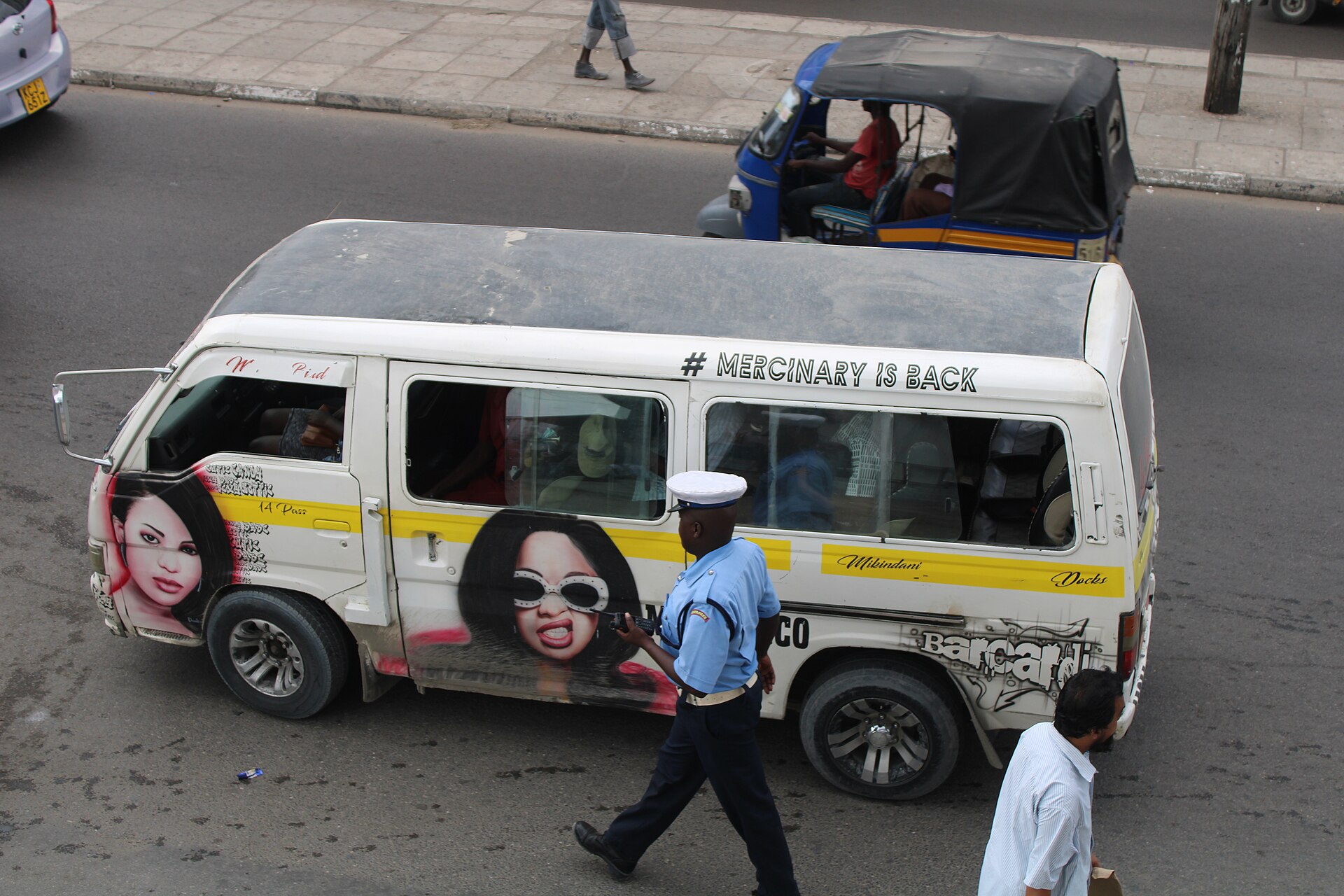
Higher diesel and kerosene prices tend to reach households through transport and food. Local media reported that minibus (matatu) operators are among those hit, and diesel also drives the cost of moving freight.
Kerosene matters most for the poorest homes, which is why a 15% rise in one cycle stands out. The next price review is due on Saturday 14 November.
For context on how much of the pump price is tax, see our report on
Kenya’s fuel price cap and the tax share. Our wider Kenya coverage tracks the cost-of-living picture.
What to Watch Next
EPRA’s next monthly review is due around Saturday 14 November, and it will show whether import costs have eased. Until then, Tuesday 20 October is Mashujaa Day, a public holiday.
Pump prices are one input into Kenya’s inflation, so the next consumer price reading will show how far the rise has spread. We will report it when the statistics office publishes.
What It Means for You
Visitors planning a safari or a coastal trip should expect higher taxi, shuttle and rental-car costs from this week. Expats living in Nairobi or Mombasa will see it first in transport and in groceries that travel by road.
Investors in East African consumer and transport companies should watch margins, since fuel is a large operating cost. In dollar terms the monthly rise is modest, at about 10 US cents a litre for petrol.
What Is Not Known
We could not open EPRA’s own notice, so prices come from Kenyan outlets that cite it and agree with each other to within a few cents. Small differences between reports, such as Sh219.85 and Sh219.87 for Nairobi kerosene, are rounding.
It is also unclear how much of the rise reflects import costs and how much reflects any change in state support for pump prices. Prices for the cycle from 15 November will depend on the oil market and on EPRA’s review.
Frequently Asked Questions
How much did Kenya’s fuel prices rise on 15 October 2026?
In Nairobi, super petrol rose Sh12.93 to Sh226.96 a litre and diesel rose Sh9.90 to Sh227.76. Kerosene rose Sh28.49 to about Sh220. At Sh129.71 per US dollar, petrol costs about US$1.75 a litre.
Why did EPRA raise fuel prices?
EPRA’s director-general, Edward Mwirigi Kinyua, attributed the rise to the escalating conflict in the Middle East, which has disrupted petroleum supply chains and raised import costs. Kenya imports all of its refined fuel.
How long do the new fuel prices last?
The new maximum prices apply from 15 October to 14 November 2026. EPRA reviews them monthly, with the next announcement due around 14 November.
Are these fixed prices at every station?
No. They are maximum retail prices, so a station can charge less but not more. Prices also vary by town, and Mombasa’s petrol cap is about Sh223.8 a litre.
What does the rise mean for travellers to Kenya?
Visitors should expect somewhat higher costs for taxis, shuttles and rental cars. The increase is about 10 US cents a litre for petrol, so the effect on a short trip is small.
Sources
The Star (Kenya) · Capital FM · Kenyans.co.ke · Citizen Digital · EPRA pump price page
This article was produced by The Rio Times’ automated newsroom system. How we use AI · Report an error · Editorial responsibility: Matthias Camenzind, Editor-in-Chief