Kenya’s Power Firm May Join Oil Drilling
Kenya’s government is weighing whether its state power company could drill for crude, days after oil drilling began in Turkana. No deal has been announced.

ENERGY: KENYA
KenGen, Kenya’s state-controlled power producer, may help drill for oil in Turkana County, said Opiyo Wandayi, the Cabinet Secretary (minister) for Energy and Petroleum. He spoke on Thursday 26 November 2026 at the Sustainable Energy Conference, an energy industry meeting in Naivasha, and we found no ministry or KenGen text of his words.
KenGen stands for Kenya Electricity Generating Company, which produces mostly geothermal, hydro, wind and thermal power. Wandayi called its role a possibility, not a deal.
Key Facts
- Who. Opiyo Wandayi, Kenya’s energy minister, and KenGen, the state-controlled power producer.
- What. KenGen’s expertise and equipment may be used for oil drilling; no contract is announced.
- Where. The South Lokichar fields in Turkana County, north-west Kenya.
- When. Said on Thursday 26 November 2026, six days after drilling began.
- As of. 26 November 2026, 11:58 GMT.
Kenya’s government is weighing whether its state power company could drill for crude, days after oil drilling began in Turkana. No deal has been announced.
The remarks come less than a week after drilling began towards the first oil target. On Friday 20 November 2026 Wandayi presided over the spudding, or start of drilling, at the Amosing 1 well pad in the South Lokichar Basin, an oil-bearing area of north-west Kenya.
The contractor is Gulf Energy E&P BV SEZ (Gulf Energy), an oil company working as the government’s contractor, with the GW70 onshore rig leased from China’s Great Wall Drilling Company. Wandayi said at the ceremony: “This spudding event by the Government of Kenya’s contractor, Gulf Energy E&P BV SEZ, marks a historical milestone ahead of first oil production.”
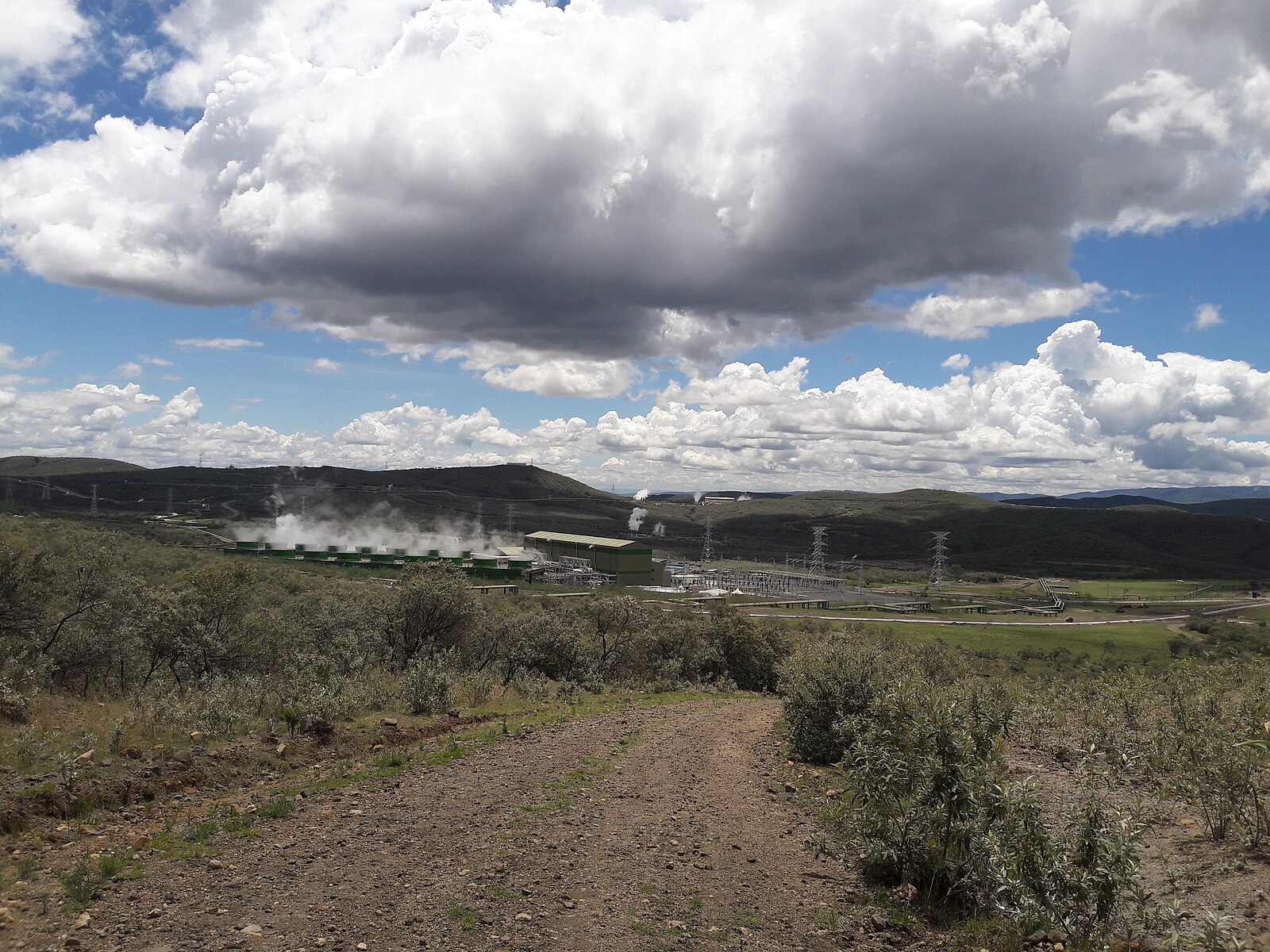
The first phase covers four fields called NEAT (Ngamia, Amosing, Twiga and Ekales) and targets more than 20,000 barrels a day, with 50,000 planned in a second phase. Paul Limoh, Gulf Energy’s managing director, said the first crude will go by road to Mombasa for storage in the tank farms of Kenya Petroleum Refineries Limited at the port of Mombasa, Kenya’s main port.
The government’s estimates list six discoveries in Blocks T6 and T7, the oil licence areas of the project, with 326 million barrels of recoverable oil. Roads and Transport Cabinet Secretary Davis Chirchir said the state is investing over Ksh24 billion (Kenyan shillings, about US$185 million) in roads and other infrastructure there.
KenGen’s website says it owns three drilling rigs: two electric land rigs able to drill to 7,000 metres and a national N370 rig to 2,200 metres. The undated page on its geothermal drilling services adds that staff have drilled over 300 geothermal wells in the region.
Geothermal wells tap hot water and steam, while oil wells tap crude, so that experience is related but not the same. We make no claim about whether KenGen’s rigs suit Turkana.
As reported from the conference, and in the only report of it we found, Wandayi said: “There is a possibility of KenGen participating in the drilling of oil in Southern Lokichar using state-of-the-art rigs.” He continued: “Very soon, we will see them drilling oil in Southern Lokichar.”
He added that KenGen’s “enormous resource base” can be deployed to various uses. He said the government is exploring deploying KenGen’s technical expertise and equipment, but gave no contract, rig count, cost or date.
Wandayi did not say, in the remarks as reported, whether KenGen would drill under Gulf Energy, under a separate state arrangement or on separate wells. Whether its rigs can be used in Turkana is also open.
A KenGen role would keep more of the work with a state-controlled company, which matters to its shareholders, to Gulf Energy and to Kenya’s public finances. The government projects earnings above Ksh371 billion over the 25-year contract period, which is about US$2.85 billion at our conversion of US$1 = Ksh130.05 (market-data provider RT, 26 November 2026).
Gulf Energy had said it planned to start drilling on 1 November 2026, but the start came 19 days later, on 20 November. The next dated step is Tuesday 1 December 2026, the government’s target for first oil production.
The date of the first road trips of crude to Mombasa is not confirmed. KenGen is also lining up battery storage funding and a search for investors, while the first oil target and the crude’s trade name are separate stories.
Frequently Asked Questions
Has KenGen agreed to drill for oil?
No. Minister Wandayi described it as a possibility, and no contract has been announced.
Can a geothermal driller also drill for oil?
Geothermal wells tap hot water and steam, while oil wells tap crude, so the experience is related but not the same. Whether KenGen’s equipment suits Turkana has not been stated.
When does Turkana oil production start?
The government has named the first day of December as first oil production day. The date for the first trucks to Mombasa is not confirmed.
Sources
Ministry of Energy and Petroleum statements at the Amosing 1 spudding, 20 November 2026; remarks of Cabinet Secretary Opiyo Wandayi at the Sustainable Energy Conference, Naivasha, 26 November 2026 (reported; text not found); Gulf Energy E&P BV SEZ statements, 20 November 2026; KenGen website, geothermal drilling services page; exchange rate RT, 26 November 2026 (Ksh130.05 per US$).
This article was produced by The Rio Times’ automated AI newsroom. Editorial responsibility: Matthias Camenzind, Publisher and Editor-in-Chief. The Rio Times also runs Ask Rio Times, which answers from 100,000+ of our own articles, the daily Latin America Power Map, and prediction-market odds on elections and markets.. How we use AI · Report an error