Indigenous Reserves: The Backbone of Brazil’s Agriculture
Brazil’s agricultural success hinges on an unexpected ally: indigenous reserves in the Amazon rainforest. A new study reveals these protected areas drive rainfall patterns crucial for 80% of the country’s farming output.
The Serrapilheira Institute’s research uncovers a vital link between forest conservation and economic prosperity. By maintaining indigenous lands, Brazil safeguards its position as a global food producer. This finding challenges the notion that environmental protection hinders economic growth.
Lead researcher Caio Matos explains, “Deforestation in indigenous territories reduces rainfall, posing serious risks to our economy.” His team’s work shows that preserving these forests directly supports agricultural productivity.
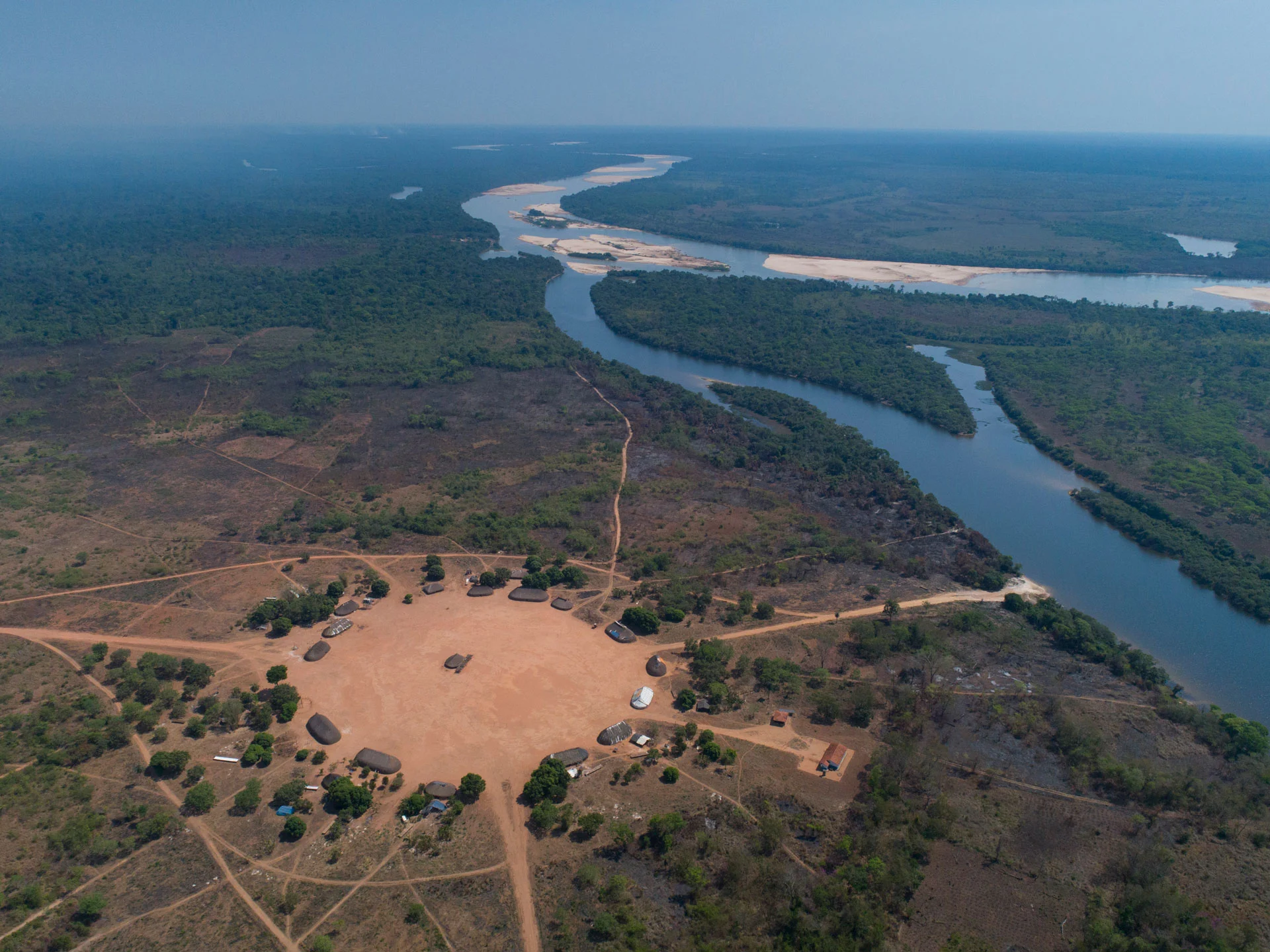
The study quantifies the economic impact of rain generated by preserved Amazon biomes. In 2021, areas benefiting from this rainfall contributed 57% of Brazil’s agricultural income. This data underscores the financial value of intact forests.
“Flying rivers,” unique to the Amazon, play a key role in this dynamic. These atmospheric moisture streams regulate climate far beyond the rainforest. Deforestation disrupts this natural phenomenon, threatening agricultural regions across Brazil.
Indigenous reserves have proven effective in curbing deforestation. From 2019 to 2023, these areas, covering 23% of the Brazilian Amazon, accounted for only 13% of regional deforestation. This success highlights their importance in preserving the rainforest’s ecological functions.
The research offers a fresh perspective on Brazil’s economic and environmental policies. It suggests that protecting indigenous lands is not just an environmental concern but a smart economic strategy. This insight could reshape approaches to land use and conservation in Brazil and beyond.
Indigenous Reserves: The Backbone of Brazil’s Agriculture
More: Brazil news in English, every day from The Rio Times.
This article was produced by The Rio Times’ automated newsroom system. How we use AI · Report an error
Read More from The Rio Times