Hotel el Dorado Turns a Cuenca Heritage Mansion Into a Top Restaurant
HOSPITALITY & HERITAGE
Key Facts
—The investment. Hotel El Dorado spent roughly US$120,000 to restore a heritage mansion and relocate Fogo Steakhouse there in September 2025.
—The operator. Sixstar Hotels took over management of El Dorado in March 2026 and made gastronomy a core strategic pillar.
—The location. The mansion sits in the Molinos del Batán sector of Cuenca, a city recognised for its well-preserved historic centre.
—The menu. Fogo Steakhouse blends traditional Cuenca flavours with coastal-inspired dishes, broadening its culinary appeal.
—The projection. The expanded gastronomic ecosystem is expected to generate around US$2 million in annual income across four business units.
Hotel El Dorado Cuenca has converted a historic patrimonial mansion into Fogo Steakhouse, a move Forbes Ecuador highlights as a strategic bet that elevates gastronomy from a hotel amenity to a central revenue driver.
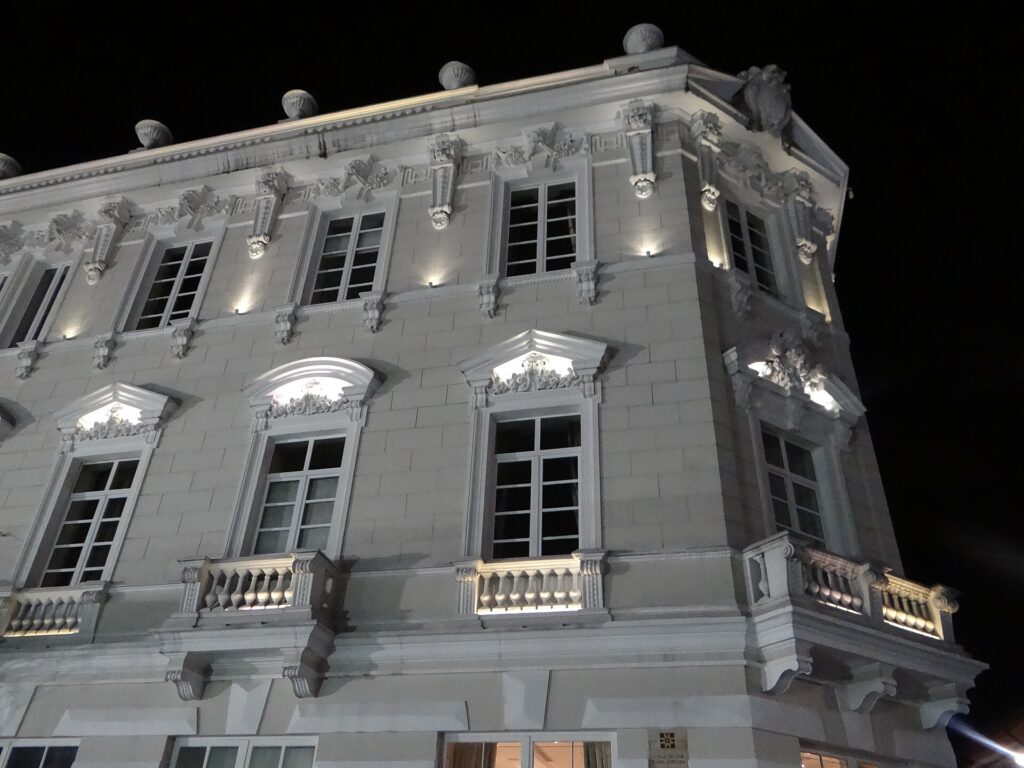
A heritage mansion finds new purpose
The property sits in the Molinos del Batán sector, a neighbourhood that reflects Cuenca’s layered architectural history. Hotel El Dorado restored the casona patrimonial and relocated Fogo Steakhouse there in September 2025.
The restaurant had operated at the Mirador de Turi since its 2010 opening. The move required an investment of approximately US$120,000 and turned a protected building into a commercially viable dining destination.
In Ecuador, a “casona patrimonial” refers to a large, old house that is legally protected for its historical or architectural value. Restoring such a building typically involves strict oversight to preserve original features, which can make adaptive reuse projects more complex and costly than new construction.
By choosing this path, the hotel signalled a long-term commitment to the neighbourhood rather than a short-term commercial play.
The Mirador de Turi, the restaurant’s previous home, is a well-known viewpoint overlooking Cuenca. Moving from a scenic hilltop perch to a street-level heritage mansion represents a shift in ambience, trading panoramic views for architectural intimacy and direct access to the city’s historic walking routes.
Sixstar Hotels bets on gastronomy as a growth engine
Sixstar Hotels assumed operation of El Dorado in March 2026 and immediately repositioned food and beverage as a core strategy. The goal is to attract non-lodging visitors and diversify income beyond room bookings.
Fogo Steakhouse anchors that strategy with a menu that merges traditional Cuenca flavours and coastal-inspired dishes. The approach turns a single hotel restaurant into a standalone brand capable of drawing local residents and international travellers alike.
This pivot reflects a wider industry trend in which hotel operators treat on-site dining not as a convenience for guests but as a profit centre in its own right. When a restaurant earns a local reputation, it can fill seats during low-occupancy periods and build a marketing halo that benefits the entire property.
The economics behind Hotel El Dorado Cuenca’s expansion
Hotel El Dorado now operates four distinct business units: lodging, two restaurants, two bakeries, and event halls. Management projects combined annual income of around US$2 million from this portfolio.
The structure spreads risk across multiple revenue streams. A heritage steakhouse, a main restaurant focused on local flavours, Fogo Grill Bar, and Panaderías El Dorado each serve different customer segments and price points.
For a foreign reader, it is worth understanding that Cuenca’s cost base differs markedly from capital-city markets. Labour, rent and ingredient costs are generally lower than in Quito or Guayaquil, which can widen margins on food and beverage operations when volume is steady.
The US$2 million projection therefore reflects a mix of local purchasing power and tourist spending that is specific to a mid-sized Andean city with a strong expat presence.
What the Hotel El Dorado Cuenca model means for Ecuador’s hospitality sector
The project demonstrates how adaptive reuse of heritage properties can unlock commercial value without sacrificing cultural identity. Cuenca’s UNESCO-recognised historic centre provides a natural backdrop for this kind of investment.
For investors and expats watching Ecuador’s tourism market, the model signals that gastronomy-led hospitality can generate returns even in a competitive landscape. It also shows that mid-sized cities like Cuenca can support multi-unit hospitality brands when the concept is tied to place and patrimony.
The broader significance lies in what this says about post-pandemic travel patterns. Travellers are increasingly seeking experiences rooted in local culture rather than standardised luxury.
A steakhouse inside a restored mansion answers that demand directly, offering a sense of place that a generic hotel restaurant cannot replicate.
A 60-year institution adapts for the next decade
Hotel El Dorado was founded in 1965 and occupies a traditional corner at Gran Colombia 7-87 y Luis Cordero in the heart of Cuenca’s historic centre. Its longevity gives the brand recognition that newer entrants lack.
Under Sixstar Hotels, the property is leveraging that legacy while modernising its offer. The Fogo Steakhouse relocation is the most visible piece of a broader plan to make gastronomy a pillar rather than a supporting service.
What to watch next is whether the standalone restaurant brand can sustain footfall independent of hotel occupancy. Another open question is how the bakery and event-hall units perform relative to the steakhouse, and whether the US$2 million projection holds if any single unit underperforms. Finally, observers will be watching whether other heritage-building owners in Cuenca attempt similar conversions, potentially tightening the supply of protected properties available for hospitality use.
Frequently Asked Questions
What makes Fogo Steakhouse different from other Cuenca restaurants?
Fogo Steakhouse operates inside a restored heritage mansion in the Molinos del Batán sector, giving it a distinctive architectural setting. Its menu blends traditional Cuenca flavours with coastal-inspired dishes, and it functions as both a hotel restaurant and a standalone dining destination open to the public.
How much did Hotel El Dorado invest in the heritage mansion project?
The hotel invested approximately US$120,000 to restore the patrimonial house and relocate Fogo Steakhouse there in September 2025. The investment forms part of a broader strategy under Sixstar Hotels to grow food and beverage revenue alongside traditional lodging income.
What is the projected annual income for Hotel El Dorado’s business units?
Management projects around US$2 million in annual income across four business units: lodging, two restaurants, two bakeries, and event halls. The figure reflects the contribution of the expanded gastronomic ecosystem anchored by Fogo Steakhouse.
This article was produced by The Rio Times’ automated newsroom system. How we use AI · Report an error
Read More from The Rio Times