Honduras Congress Chief Demands Yoro Arrests
Zambrano says the threats will not change his course, while the UN human rights office urges a response that goes beyond force.

Security: Honduras
Tomás Zambrano, president of Honduras’s National Congress, the country’s legislature, said on Saturday 21 November 2026 that threats against him will not change his stance on organised crime. He spoke during a working visit to Caridad, a municipality in the southern department of Valle.
He also demanded that the National Police and the Armed Forces find and arrest those behind the killings in Yoro, a department of Honduras. Twelve people died there on 18 November.
Key Facts
- Who. Tomás Zambrano, president of the National Congress, Honduras’s legislature.
- What. He rejected threats against him and demanded arrests over the Yorito killings in Yoro.
- Next. Congress presents its first security-reform accountability report on Thursday 26 November, 11:00 a.m.
- Power Index.
- As of. 22 November 2026, 07:00 GMT.
Zambrano says the threats will not change his course, while the UN human rights office urges a response that goes beyond force.
Zambrano said: “No tenemos miedo, no hay temor, existe compromiso para recuperar la paz y la tranquilidad.” In English, that means “We are not afraid, there is no fear, there is a commitment to recover peace and calm.”
He called the intimidation a consequence of security decisions and action against criminal structures. Those structures, he said, held influence for years over neighbourhoods, municipalities and prisons.
He said he knew the risks and had spoken with his family earlier about possible threats. He added that Congress will keep pushing legal reforms, more resources for justice operators and ways to demand results from the institutions that fight crime.
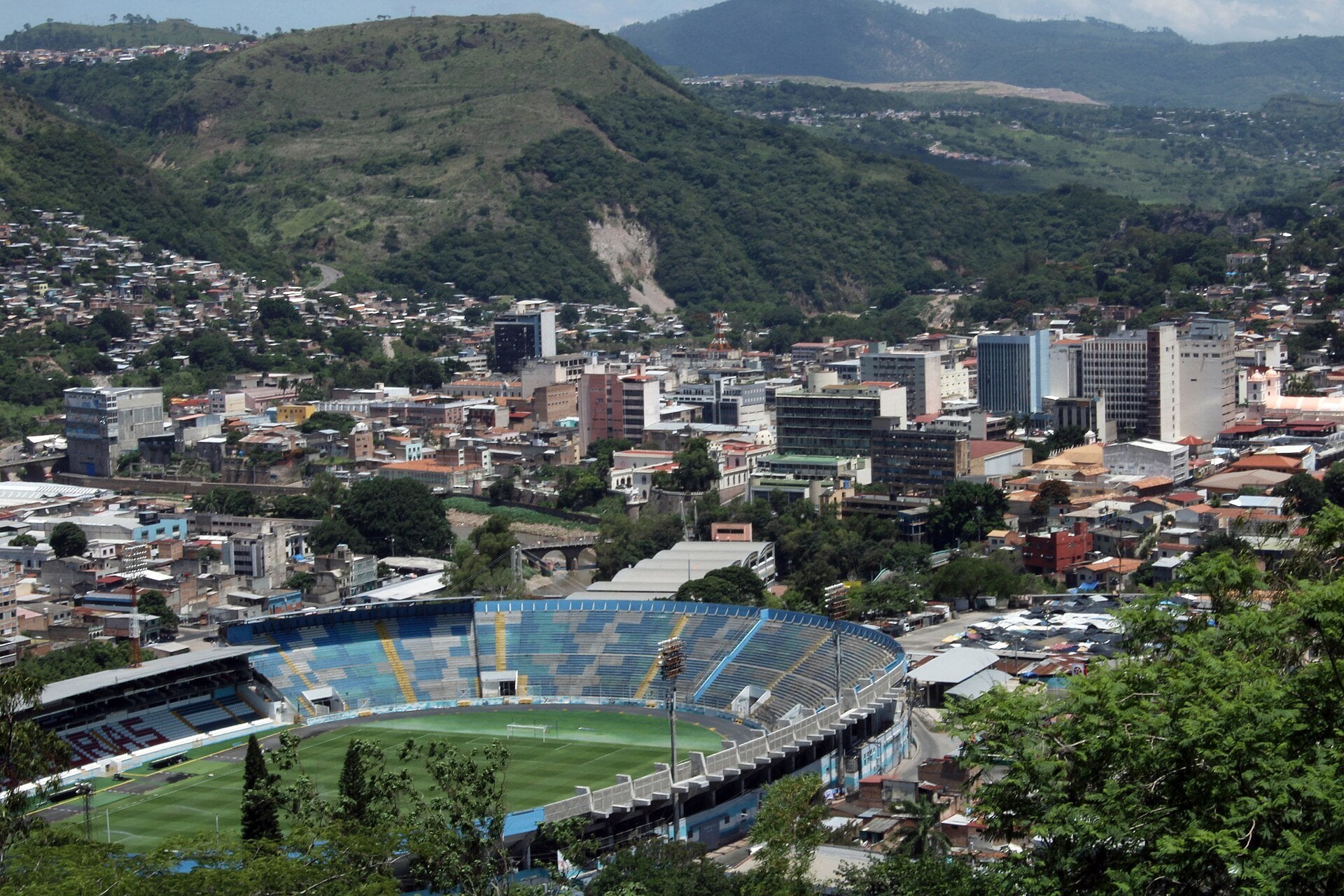
On the Yoro killings, he demanded that police and soldiers arrest both those who ordered the crimes and those who carried them out. “Tienen que pagar, tienen que pudrirse en el infierno, pero antes deben pudrirse en los centros penales de máxima seguridad del país,” he said, meaning they must pay and first face the country’s maximum-security prisons.
He said the culprits must be brought before courts and that criminal groups must understand the state will not give way. He told the police to capture every member, from the leader down.
The attacks struck Yorito, a municipality in Yoro department, on 18 November. Police said the deaths happened at four separate scenes, three in the community of Vallecillos and one in Pacayal.
The UN human rights office in Honduras, known as OACNUDH, said in a statement on 19 November that the dead preliminarily included five women and three minors. It said victims reportedly included Indigenous Tolupán people, among them Delma Yolanda Olvera Pérez, a municipal councillor and former president of the Tribal Council of Mina Honda, a Tolupán community in Yoro.
Zambrano said on 18 November that the attacks looked like a reaction by criminal organisations to government operations. President Nasry Asfura said the same day that the crime “will not go unpunished”.
A video and audio attributed to the Cártel del Diablo (Devil Cartel), a gang the National Defence and Security Council declared terrorist on 18 September, threatened Zambrano and his relatives. Their authenticity has not been established.
Honduras has declared Yoro a “high-risk territory” under Decree 208-2026, the special law against terrorist associations, maras (street gangs) and other gangs. Congress approved that law unanimously on 22 September 2026, and it was published on 26 September 2026.
The UN office urged that the declaration be applied with legality, temporary limits, necessity and proportionality. It asked for a response that goes beyond reactive or repressive approaches, with more state presence and attention to the land conflicts and inequality behind the violence.
That view contrasts with Zambrano’s approach. On 12 November 2026 the same office warned that decrees 84-2026, 208-2026 and 258-2026 put rights such as presumption of innocence, due process and inviolability of the home at risk.
The office also recognised the state’s duty to fight violence and extortion. Zambrano said the police and justice operators now have the legal tools and “no excuse”, and that Congress will demand results.
Police raised the reward to 5 million lempiras (about US$186,000) for information leading to Esteban Ferrera Rodas, known as “El Diablo”, the alleged leader of the Cártel del Diablo. Police and the Armed Forces have intensified search operations in Yoro.
The killings come in a country with a high homicide rate. It was 26.2 per 100,000 inhabitants in 2025, with 2,633 victims, according to the violence observatory of the National Autonomous University of Honduras (UNAH).
The sources do not say how long the high-risk status for Yoro will last. Police arrested José Arnold Mejía García, 29, a suspected Cártel del Diablo member, on 19 November and are investigating a possible link to the attacks.
Zambrano announced that on Thursday 26 November at 11:00 a.m. Congress will present its first accountability report on how the recent security reforms are applied. The report will cover measures against structures classed as terrorist, maras and gangs, and results since the rules took effect.
He asked citizens to back the security institutions. He said any official involved in illegal activity must face the law.
Frequently Asked Questions
Who is Tomás Zambrano?
He leads the National Congress, Honduras’s legislature. He says criminal groups have threatened him and his relatives.
What does the high-risk label for Yoro mean?
The state treats Yoro as a high-risk territory under the special law against terrorist associations, maras and gangs. The UN human rights office wants it applied with legal limits and proportionality.
Has anyone been arrested over the Yorito killings?
Police arrested one suspected gang member, José Arnold Mejía García, on 19 November and are investigating a possible link. They have raised a reward for the alleged gang leader.
Related coverage: Honduras news · Fake posts about the Yoro killings
Sources
Statements by Tomás Zambrano, 21 November 2026 · UN human rights office in Honduras (19 November 2026; 12 November 2026)
This article was produced by The Rio Times’ automated AI newsroom. Editorial responsibility: Matthias Camenzind, Publisher and Editor-in-Chief. The Rio Times also runs Ask Rio Times, which answers from 100,000+ of our own articles, the daily Latin America Power Map, and prediction-market odds on elections and markets.. How we use AI · Report an error