Honduras Attacks Kill Indigenous Leader
The attacks come as Honduras tests new anti-gang powers in a department with a long history of land disputes.

Human rights: Honduras
Among the 12 people killed in four attacks in Yorito, in Honduras’s Yoro department, on Wednesday 18 November 2026 was Delma Yolanda Olvera Pérez, a Tolupán Indigenous leader and local councillor. She was killed with her husband and a young daughter.
The government declared Yorito, Sulaco and Victoria high-risk territory, and the UN human rights office asked that the measure respect rights guarantees. No official finding has linked the killings to the victims’ work as defenders of the land.
Key Facts
- Who. Tolupán leader and Yorito councillor Delma Yolanda Olvera Pérez, killed with her husband and daughter.
- What. Four attacks left 12 dead in Yorito, Yoro, on Wednesday 18 November 2026.
- Response. Yorito, Sulaco and Victoria declared high-risk; the UN human rights office urged rights safeguards.
- Power Index.
- As of. 20 November 2026, 14:30 GMT
The attacks come as Honduras tests new anti-gang powers in a department with a long history of land disputes.
Police described four violent events in the rural villages of Vallecillos and Pacayal, both in the municipality of Yorito. Three of the attacks were in Vallecillos, and the one that killed Olvera was in Pacayal.
The dead include five women, four men and three minors, according to a preliminary count. Recordings attributed to a criminal group known as Cártel del Diablo contain threats, and their authenticity has not been established.
Olvera was a Tolupán leader, an environmental defender and a councillor of Yorito, and a former president of the Tolupán Tribal Council of Mina Honda. The Tolupán are an Indigenous people of Yoro department whose communities have long been in conflict over forests, land and mining.
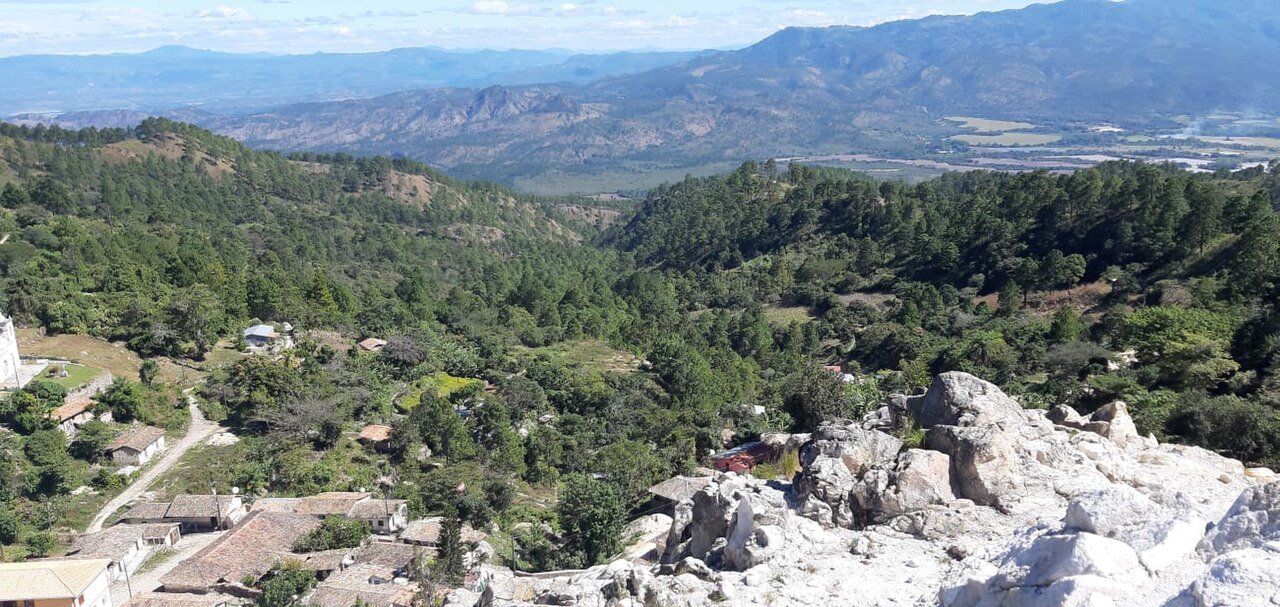
She was killed in Pacayal together with her husband and a young daughter. The leader’s killing drew attention beyond the villages because she held public office and was known as a defender of the land.
After the attacks, the National Defence and Security Council, the government body that coordinates security policy, declared Yorito, Sulaco and Victoria high-risk territory. The measure restricts movement between 9 p.m. and 4 a.m. and took effect on Thursday 19 November 2026.
Honduras’s Decree 208-2026, published in La Gaceta, the official gazette, on 26 September 2026, is a special law on terrorist associations and gangs. The police director said other municipalities in the operation had no formal declaration yet.
On 19 November OACNUDH, the UN human rights office in Honduras, condemned the attacks and asked that the high-risk declaration be applied with legality, time limits, necessity and proportionality. It said the state’s answer must go beyond reactive or repressive measures.
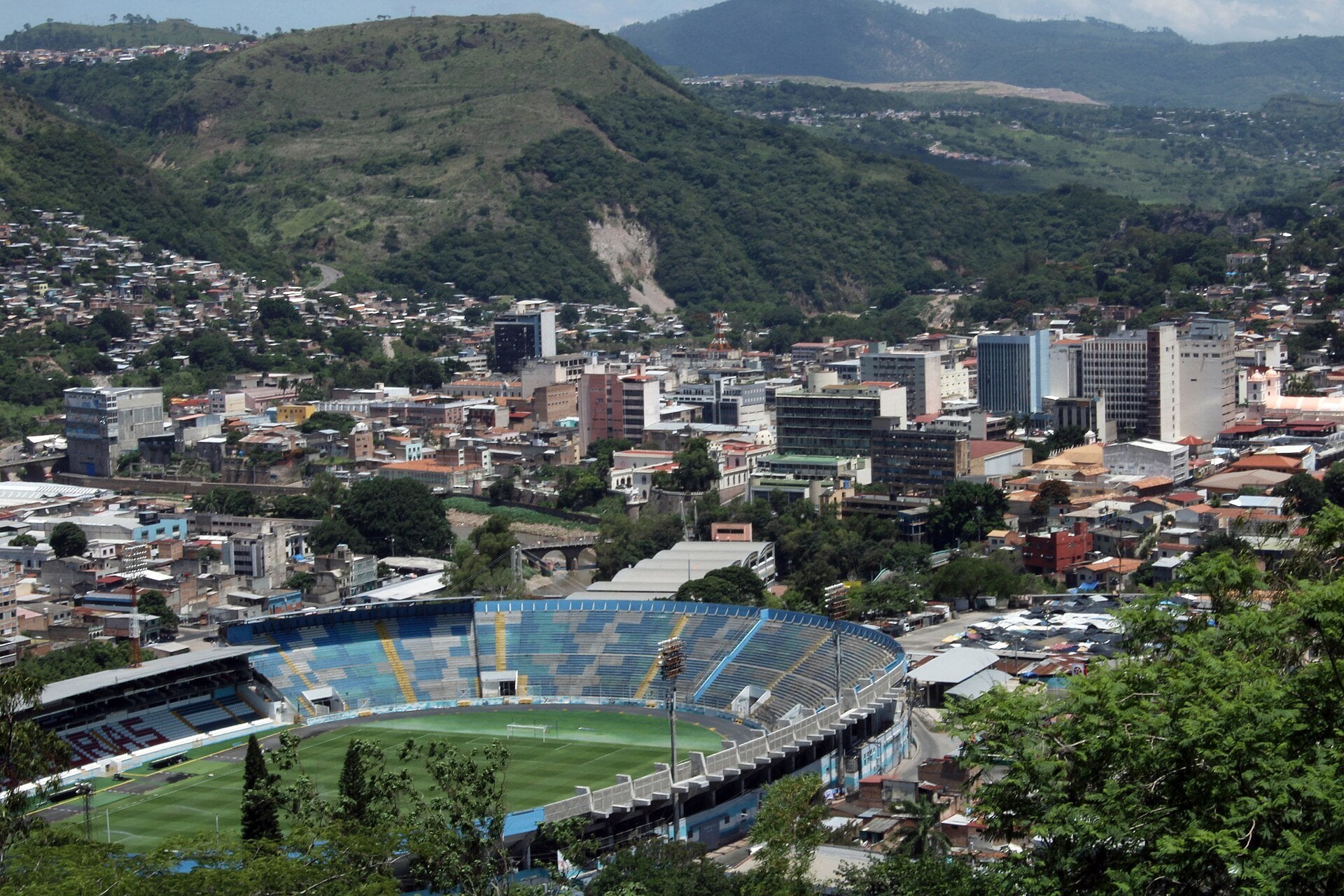
Police have deployed in the mountains of Yoro, as set out in an earlier report on the government response. The measures arrive as the state tests its new anti-gang powers in a department with a long history of land disputes.
No official finding has linked the killings to the victims’ work as defenders of the land. Investigations are open, and motives have not been confirmed.
Frequently Asked Questions
Who are the Tolupán?
They are an Indigenous people living mainly in the mountains of Yoro department in Honduras. Their communities have long been in conflict over forests, land and mining.
Did authorities say why the victims were killed?
Investigations are open and motives have not been confirmed. Recordings attributed to a criminal group contain threats.
What does the high-risk declaration do?
It lets the state restrict movement and deploy more security forces in the named municipalities. The UN office asked that it respect rights guarantees.
Sources: UN Human Rights Office in Honduras, OACNUDH, statement of 19 November 2026 (ohchr.org); Government of Honduras, Security Ministry statements and Decree 208-2026 (La Gaceta, 26 September 2026).
This article was produced by The Rio Times’ automated AI newsroom. Editorial responsibility: Matthias Camenzind, Publisher and Editor-in-Chief. The Rio Times also runs Ask Rio Times, which answers from 100,000+ of our own articles, the daily Latin America Power Map, and prediction-market odds on elections and markets.. How we use AI · Report an error