Glacier Collapse Buried Swiss Village Under 3 Million Tons of Debris
A glacier collapse in Switzerland’s Lötschental valley buried 90% of the village of Blatten in ice and debris on May 28, nine days after officials evacuated 300 residents.
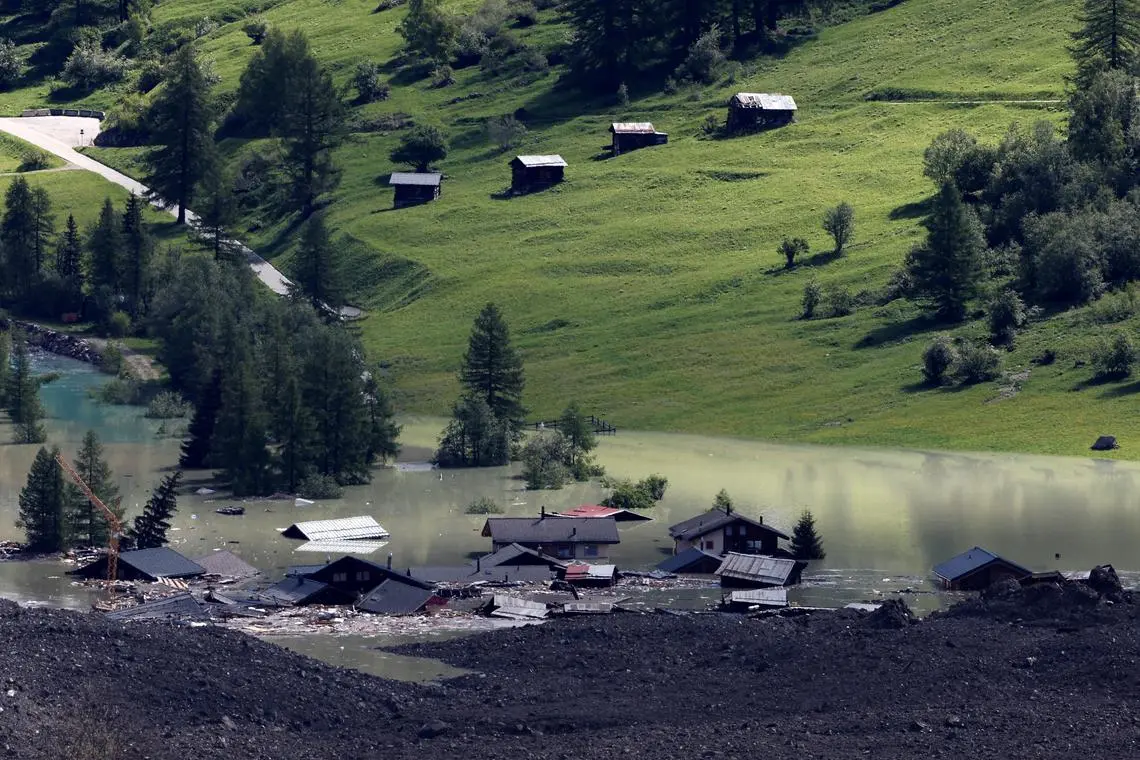
The disaster began when 3 million cubic meters of ice, rock, and mud tumbled down the Birch Glacier, creating a 2-kilometer-long blockage that submerged buildings and roads.
Authorities had monitored the glacier since early May, evacuating the village on May 19 after detecting accelerated ice movement. A smaller collapse occurred on May 27, but debris stopped short of homes.
The final collapse triggered a 3.1-magnitude tremor, fracturing the glacier and unleashing the avalanche. No injuries were reported, but a 64-year-old man remains missing.
Search teams use thermal imaging drones to navigate debris fields up to 200 meters deep. The collapse buried the Lonza River, forming a temporary dam that risks catastrophic flooding if ruptured.
Engineers monitor the site with drones and satellites, while the Swiss military prepares for emergencies. Scientists attribute the collapse to climate-driven glacier melting.
Switzerland lost 10% of its glacier volume in 2022–2023, the fastest decline on record. Weakened ice and permafrost increase instability, raising concerns for alpine regions.
Rebuilding Blatten will take years. The debris field stretches 2 kilometers and reaches depths of 650 feet, requiring heavy machinery and coordinated efforts. Officials pledge support, but residents face uncertainty as they rebuild.
This disaster highlights climate vulnerabilities and the importance of early warnings. While evacuations saved lives, the aftermath exposes the immense costs of adapting to environmental shifts.
The threat of flooding persists, underscoring the need for robust monitoring and preparedness in fragile landscapes.
This article was produced by The Rio Times’ automated newsroom system. How we use AI · Report an error
Read More from The Rio Times