Ghana Regulator Puts Water Before Roads
Ghana is putting heavy money into roads while its state water utility falls short of demand. The regulator wants the government to treat water as an equal national priority.

Ghana · Water Policy
The head of Ghana‘s utility regulator has asked the government to give water the same national push as roads. Dr Shafic Suleman, Executive Secretary of the Public Utilities Regulatory Commission (PURC, the body that sets water and power tariffs), made the call during a tour of the Tanoso Water Treatment Plant in Techiman, in the Bono East Region, reported on Wednesday 25 November 2026.
He said he was “truly impressed by the clean nature of the water here”, and praised Techiman’s authorities for protecting the Tano River, which local tradition treats as a deity. He said he wished other regions would follow their example.
Key Facts
- Who. Dr Shafic Suleman, head of Ghana’s utility regulator, urged a “Big Push” (the road drive) for water.
- What. He asked that water get the national priority the government gives roads.
- Where. Tanoso Water Treatment Plant, Techiman, Bono East Region.
- Gap. The state utility produces enough for about 62.6% of daily demand.
- As of. 25 November 2026 GMT
Ghana is putting heavy money into roads while its state water utility falls short of demand. The regulator wants the government to treat water as an equal national priority.
“I am urging the government to make a bold move by replicating its Big Push agenda in the road sector to the water sector,” Suleman said. “We need a big push in water because water comes before roads.”
Big Push is the road-building drive led by President John Dramani Mahama. The 2026 budget earmarked GH¢30 billion (about US$2.5 billion, at market rates of 25 November 2026) for it.
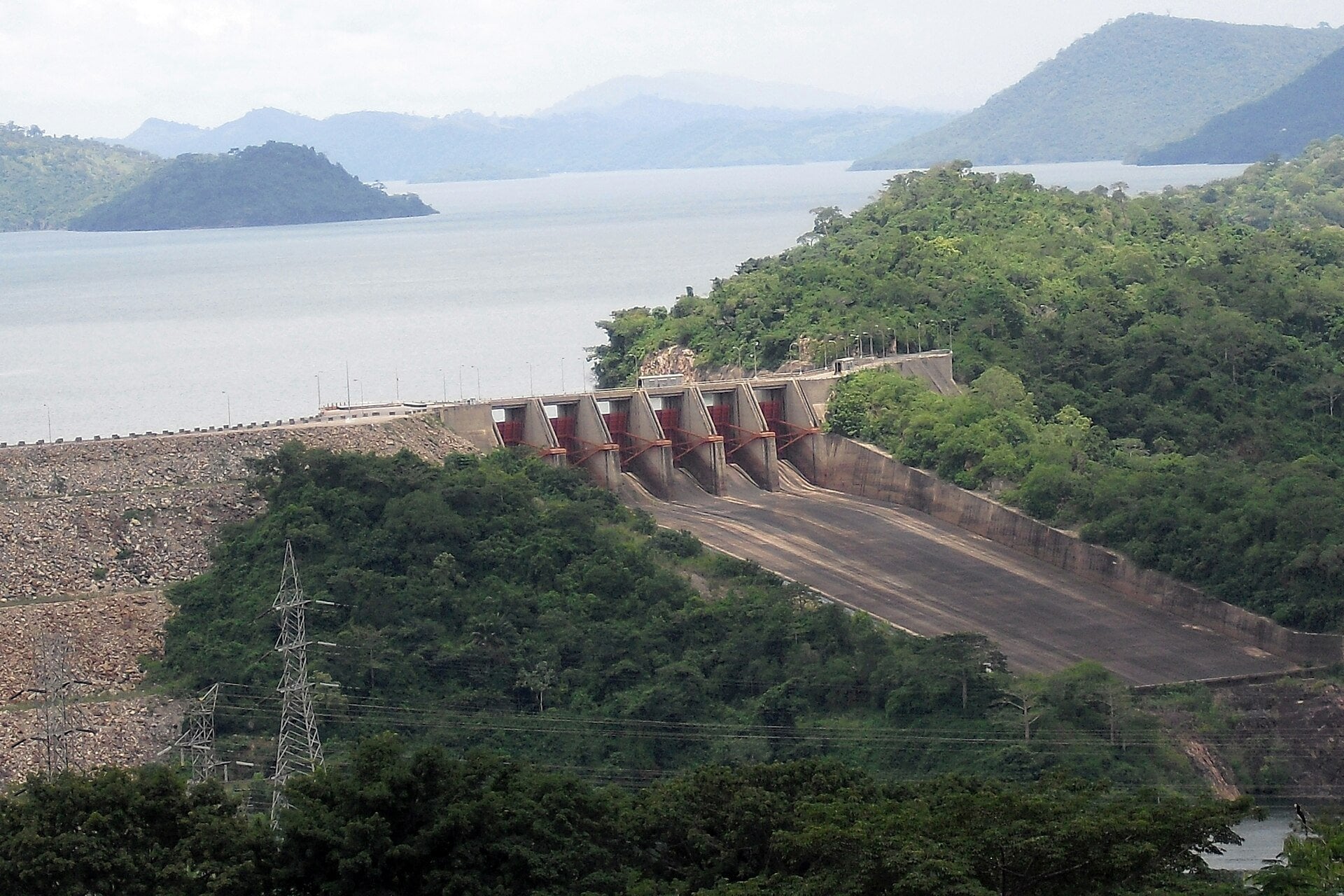
President Mahama put it at GH¢30.8 billion and said it is more than double the GH¢13.8 billion (about US$1.2 billion) of 2025. Finance Minister Cassiel Ato Forson told Parliament at the July 2026 mid-year review that work had begun on 87 road and bridge projects across all 16 regions.
The 2027 budget, presented to Parliament on Thursday 12 November 2026, allocates about GH¢28 billion (about US$2.4 billion) to Big Push. The same budget sets aside GH¢820 million (about US$69 million) for the Northern Ghana Water System.
Ghana Water Limited (GWL, the state water utility) chief executive Adam Mutawakilu gave the scale of the problem in a radio interview on Wednesday 2 September 2026. He said GWL produces “about 219 million gallons a day” against demand of 350 million gallons.
That leaves a gap of 131 million gallons a day, so supply meets about 62.6% of demand. GWL’s own figures put non-revenue water, meaning treated water lost to leaks or illegal connections or never billed, at 47.6% in June 2026.
That share was 51.6% in December 2025, so the trend is improving but slowly. Nearly half of what GWL treats still earns the utility nothing.
Engineer Theophilus Tawiah Collins, GWL’s Bono Ahafo regional chief manager, briefed the visiting team on baseline expansion studies and talks on suspended projects. “I call on all to support Ghana Water Limited in its efforts to ensure potable water supply across the country,” he said.
Money for water is moving, but on a smaller scale. In October 2026, at the annual meetings of the International Monetary Fund and World Bank in Bangkok, Forson announced EUR 323 million (about US$353 million) for the Northern Ghana Water and Sanitation Project.
The package combines a EUR 225 million (about US$246 million) highly concessional facility from the European Investment Bank, the EU’s lending arm, a EUR 68 million (about US$74 million) grant from the European Commission, the EU’s executive arm, and a EUR 30 million (about US$33 million) grant from the Dutch Invest International programme. It is meant to serve about 1.45 million people in Greater Tamale and Damongo.
Next to the road line of about GH¢28 billion, the GH¢820 million water line is about 3% of the size. PURC gave no figure for what a water Big Push would cost, and how much the 2027 budget gives GWL overall is not known.
The call comes amid concern about illegal mining, known in Ghana as galamsey, which pollutes water bodies. The government has not said whether it will answer his call.
Frequently Asked Questions
Why does the regulator compare water with roads?
He argues that water comes before roads, and that the road drive already has money and political backing. He wants water to receive the same treatment.
What is non-revenue water?
It is treated water that is lost to leaks or illegal connections, or that is never billed. A utility with less income has less to spend on expansion.
Has the government answered the call?
Not in the record so far. The government has not said whether it will adopt a water version of Big Push.
Sources: Public Utilities Regulatory Commission (https://purc.com.gh); Ghana Water Limited; Ministry of Finance 2026 and 2027 budget statements (https://mofep.gov.gh); European Investment Bank financing announcement of October 2026.
This article was produced by The Rio Times’ automated AI newsroom. Editorial responsibility: Matthias Camenzind, Publisher and Editor-in-Chief. The Rio Times also runs Ask Rio Times, which answers from 100,000+ of our own articles, the daily Latin America Power Map, and prediction-market odds on elections and markets.. How we use AI · Report an error
Part of our ongoing coverage
Africa: The New Scramble — the great-power contest over the continent.