Ghana Pension Funds Draw Economist Warning
A leading African economist says pension money must earn its return, not follow orders, while Ghana’s ministers and regulators debate how much of its pool should fund the state.
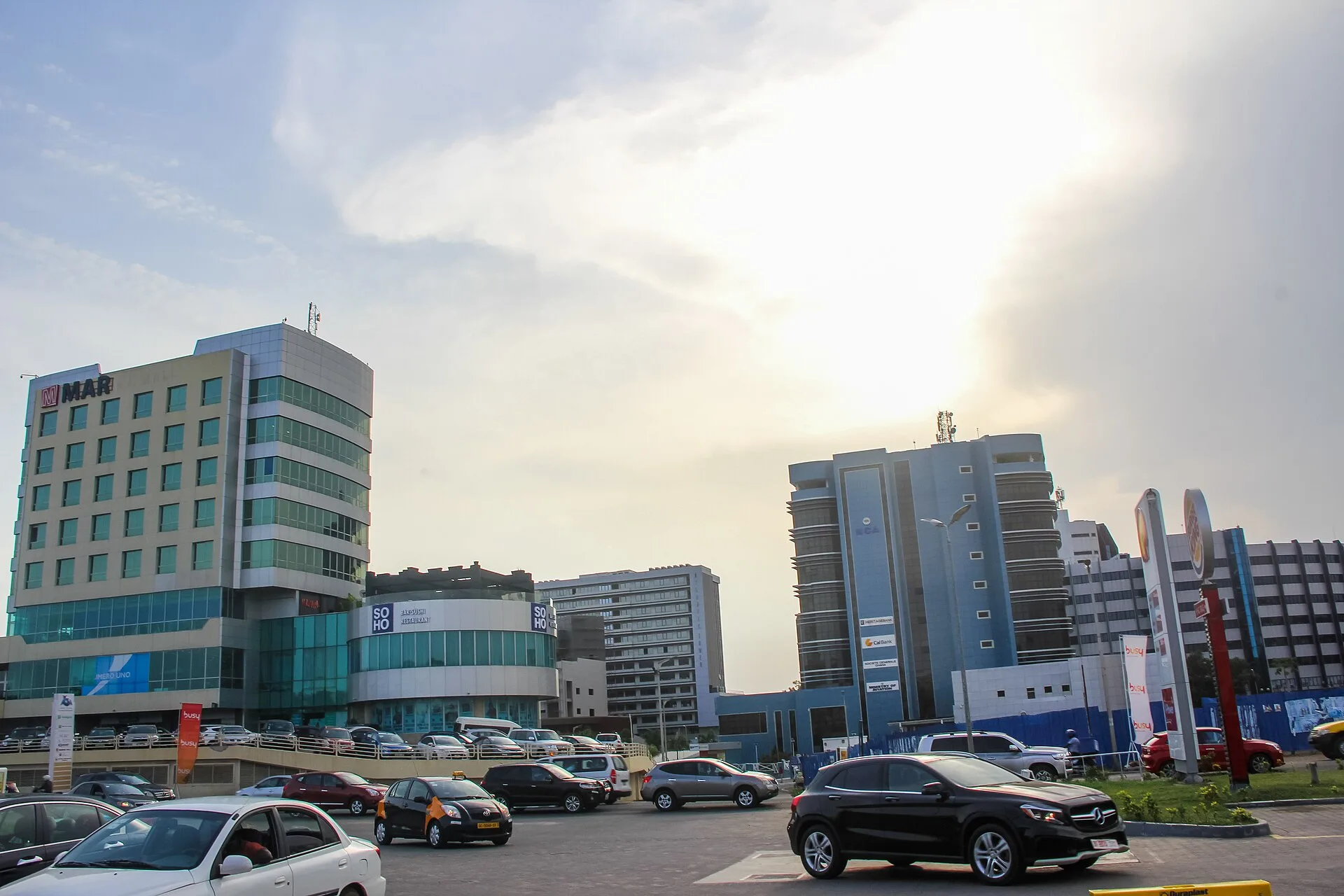
Economy: Ghana
Goolam Ballim, chief economist at Standard Bank Group, a major South African lender, said in an interview published on Monday 23 November 2026 that African governments should not instruct pension funds to invest in domestic projects. His warning lands in Ghana, where Finance Minister Cassiel Ato Forson spoke in October about using pension money for infrastructure.
Ghana’s pension pool is now big enough to attract that pressure. The National Pensions Regulatory Authority (NPRA), the sector regulator, reported GH¢111.11 billion (Ghanaian cedis) in assets for 2025 (about US$9.4 billion at GH¢11.83 to the dollar, the 23 November rate, used for every conversion here), according to figures Forson cited on 15 October 2026.
Key Facts
- Who. Goolam Ballim, chief economist at South Africa’s Standard Bank Group, opposes state-directed pension investing.
- Numbers. Ghana’s pension assets reached GH¢111.11 billion (about US$9.4 billion) in 2025, up from US$7.3 billion in 2024.
- Status. Ghana had reported no mandatory allocation law as of 24 November 2026.
- As of. 24 November 2026, 08:51 GMT.
A leading African economist says pension money must earn its return, not follow orders, while Ghana’s ministers and regulators debate how much of its pool should fund the state.
Ballim said he is “averse to prescription generally” where governments encourage pension funds “to invest, say, in domestic projects on the instruction of government.” Pension investments, he said, “should be rewarding to the ultimate beneficiaries in those pension funds.”
He added that many pension funds across Africa sit idle because the continent’s capacity to absorb investment is not as large as one might imagine. His test for any project, he said, is what it pays the people whose savings fund it.
Forson’s speech was read on his behalf on 15 October 2026 in Kumasi, Ghana’s second-largest city, at the fourth annual meeting of the Health Sector Occupational Pension Scheme, a workplace pension scheme for the health sector. He said “Good fiscal policy is also pension policy,” and that pension funds could help finance infrastructure through structured vehicles with clearly defined risks, transparent governance and predictable cash flows.
He also said infrastructure development should not depend solely on tax revenues and government borrowing. The speech drew on the 2022–23 Domestic Debt Exchange Programme, the government’s restructuring of domestic bonds that hit pension funds, as a lesson that pension money should not be treated simply as a convenient source of government financing.
Kwame Pianim, an economist and member of President John Mahama’s Presidential Advisory Group on the Economy, a panel advising the president on economic policy, said on 6 March 2026 that pension funds leave large sums idle in the bank and that the money should go into railways, inland ports and agriculture. His remarks came seven months before the minister’s October speech.
Adu Anane-Antwi, chair of the Securities and Exchange Commission (SEC), Ghana’s capital-market regulator, proposed on 15 September 2026 an infrastructure development corporation to channel pension money into long-term projects. The proposal is a suggestion, not a law.
The regulator itself sounds a more cautious note on concentration. Victor Azuma Mejida, the NPRA’s deputy chief executive, said in April 2026 that a large proportion of pension funds “remains invested in government securities, exposing portfolios to concentration risk,” and the NPRA backs private credit and structured finance for small firms.
An NPRA working paper says Ghanaian pension funds hold over 70 percent of their assets in government securities. That is the backdrop to Ballim’s point about returns, since a fund tied mostly to one borrower has little room to diversify.
The NPRA’s 2025 annual report, as cited by Forson on 15 October 2026, shows assets up from GH¢86.09 billion in 2024 (about US$7.3 billion at the same rate), a rise of 29.1%. That figure is the regulator’s, as cited by the minister, not an independent count.
Ghana has not announced a mandatory allocation law, and no decision or deadline is scheduled. The asset figures in this article are the regulator’s, as cited by the finance minister.
The NPRA’s report for 2026 will show whether the growth and the heavy tilt towards government securities continued. Until then, the argument between Ballim’s commercial test and the Finance Ministry’s structured-vehicle approach rests on figures that are a year old.
Frequently Asked Questions
What did Standard Bank’s chief economist say about pension funds?
Goolam Ballim said African governments should not instruct pension funds to back domestic projects. He argued that returns to the people who contribute must come first.
How do Ghana’s officials see pension money?
Finance Minister Cassiel Ato Forson wants structured infrastructure vehicles with clear risks, while the Securities and Exchange Commission chair proposed an infrastructure corporation. The pension regulator, for its part, warns about concentration in government securities.
Is Ghana forcing pension funds into state projects?
Ghana has not announced a mandatory allocation law. So far the debate is about proposals and speeches, not binding rules.
Sources
Sources: National Pensions Regulatory Authority, working paper on sovereign concentration; Ministry of Finance of Ghana, speech of Finance Minister Cassiel Ato Forson, 15 October 2026; NPRA deputy chief executive Victor Azuma Mejida, remarks of 15 April 2026; Standard Bank Group, Goolam Ballim, interview of 23 November 2026
Connected Coverage
This article was produced by The Rio Times’ automated AI newsroom. Editorial responsibility: Matthias Camenzind, Publisher and Editor-in-Chief. The Rio Times also runs Ask Rio Times, which answers from 100,000+ of our own articles, the daily Latin America Power Map, and prediction-market odds on elections and markets.. How we use AI · Report an error