Ghana Plans School Abuse Hotline
A minister's promise of a hotline, built with a telecoms company, meets a parliamentary demand for reporting channels that bypass school heads.

Ghana: Schools
Ghana's Education Minister, Haruna Iddrisu, told Parliament in Accra on Wednesday 25 November 2026 that his ministry is partnering with the telecoms firm MTN to set up a phone line for reporting abuse in schools. The line follows allegations of sexual abuse at Obuasi Senior High Technical School in Ashanti Region, whose headmaster has been interdicted, meaning suspended from duty while a case proceeds.
The hotline was first floated three weeks ago. At a press briefing in Accra on Monday 2 November 2026 about the Obuasi scandal, Iddrisu said MTN was prepared to work with the ministry and the Ghana Education Service (GES, the state body that runs public schools) on a hotline for reporting concerns.
Key Facts
- Who. Haruna Iddrisu, Ghana's Education Minister, with MTN Ghana, the country's mobile network operator
- What. A dedicated phone line for reporting corporal punishment, sexual abuse and other school grievances
- Where. Ghana's schools, announced in Parliament in Accra
- When. Announced Wednesday 25 November 2026; no number, launch date or cost published yet
- As of. 26 November 2026, 09:30 GMT
A minister's promise of a hotline, built with a telecoms company, meets a parliamentary demand for reporting channels that bypass school heads.
He added that the ministry was considering independent safeguarding offices and confidential reporting channels, linked to bodies such as the police Domestic Violence and Victim Support Unit, which handles abuse cases, and the GES. The aim, he said, is that students can report without going through headteachers.
At the same briefing he made a pledge about the case itself: “We will ensure that the sexual assault case is not swept under the carpet.” The allegations concern the school's interdicted headmaster, who is a suspect and has not been convicted.
Parliament then raised the pressure. On Tuesday 10 November 2026, after a briefing by the Education and Gender ministers, Parliament's select committees overseeing education and children's welfare (specialist panels of MPs) said in a joint media statement that existing GES reporting pathways were “broken”.
They directed the two ministries to co-design an independent, third-party reporting mechanism that bypasses school heads, with a centralised protected registry. They also asked for an independent safeguarding audit of all boarding and day senior high schools, and told the two ministers to brief Parliament regularly until prosecutions and reforms are done.
The rules any hotline would enforce are older than the scandal. The GES outlawed all corporal punishment in state and private pre-tertiary schools in 2017 through its staff code of conduct, alongside a Positive Discipline Toolkit of non-violent methods, and backed the ban with a circular in 2019.
The record contains no national count of abuse reports, so the scale of the problem cannot be put in a number. The response has widened from a ban on caning to a push for outside reporting channels.
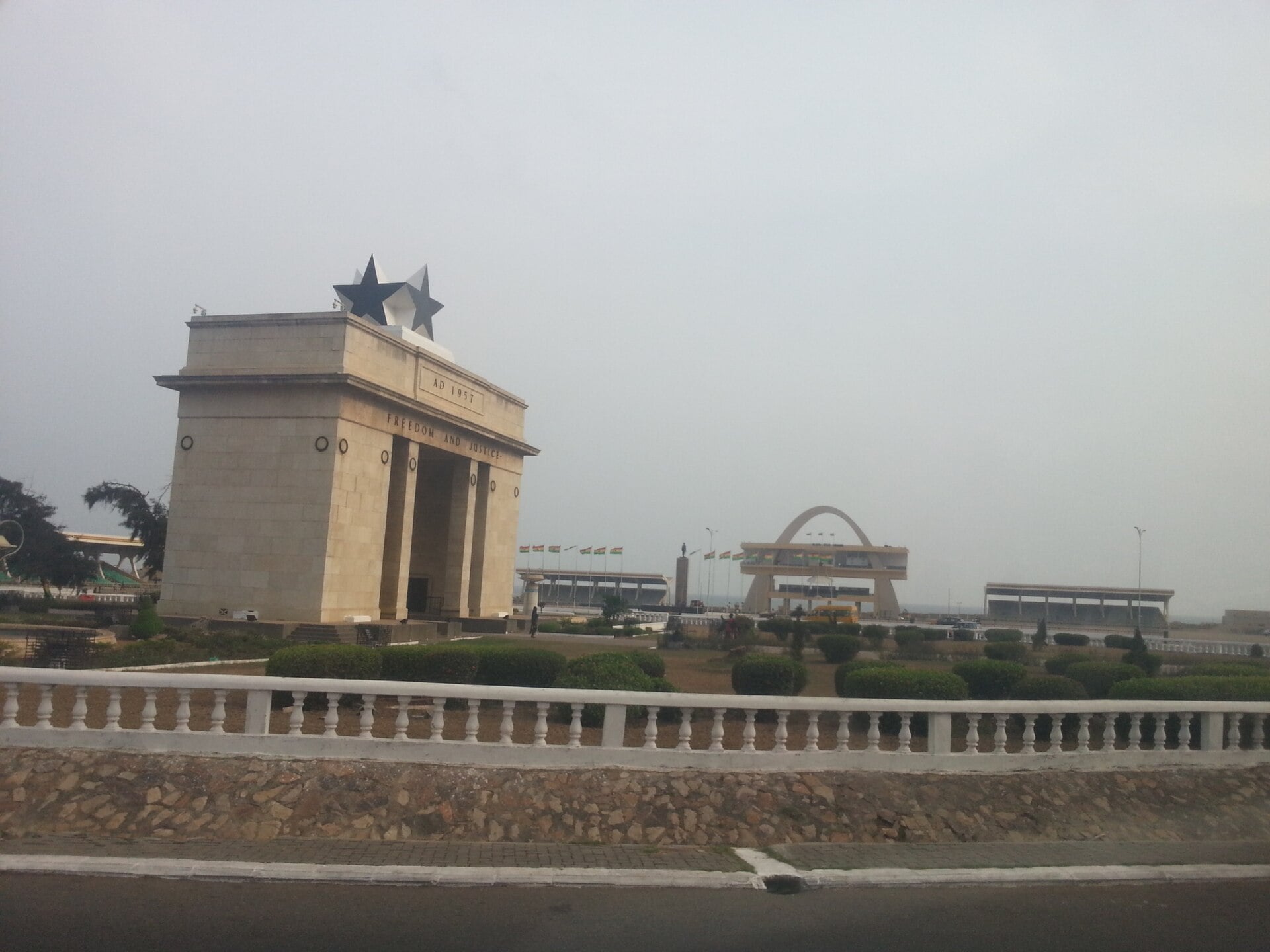
Iddrisu announced the hotline in his remarks to MPs, after replying to Question 481, a written parliamentary question from Offinso North MP Dr Fred Kyei Asamoah. The question asked how the government enforces the corporal-punishment policy.
The line would be housed in the office of the Deputy Education Minister and run jointly by the Minister and the Director-General of the GES. Once it goes live, any student, parent or member of the public could contact the ministry and the GES directly.
No telephone number has been published, and no launch date or cost was given. MTN has not published a statement on the arrangement, and the form of its contribution, whether a free line, funding or technology, was not stated.
The two positions are not obviously the same. The committees asked for a mechanism that bypasses school authorities and sits with an independent third party, while the line described on Wednesday would sit inside the ministry that oversees those schools.
In his written answer, Iddrisu said a teacher or head who canes a child, or lets a parent or outsider beat a pupil on school grounds, faces penalties from formal queries and demotion to interdiction or dismissal. Offenders may also be prosecuted under Act 560, the Children's Act of 1998.
On the floor he said children today “know their rights” and “demand those rights”, and he defended the policy introduced under the previous government. He added that schools can still reward good conduct and punish wrongdoing through non-violent rules.
Iddrisu also told MPs the government will reintroduce full Parent-Teacher Associations (PTAs) in pre-tertiary schools under President John Dramani Mahama's education policy. No date for their return has been published.
For US companies and donors active in Ghana's education and telecoms sectors, and for Ghanaian parents abroad, the plan shows a telecoms firm being drawn into a child-protection system. How the line is built will test the committees' demand for a route that bypasses school heads.
Frequently Asked Questions
Who will run the school abuse hotline?
Iddrisu said it would sit in the Deputy Education Minister's office and be run jointly by the Minister and the Director-General of the Ghana Education Service. MTN's exact role has not been stated.
Will the hotline meet MPs' call for an independent channel?
The committees asked for a third-party route that bypasses school heads, and they have not yet commented on this plan. The answer will depend on how the line is designed and who can see the reports.
Can parents or students use it now?
No. No number or launch date has been published, so existing reporting routes stay the only option for now.
Further reading: Ghana education and healthcare explained · Ghana teachers strike update · Ghana news
Part of our ongoing coverage
Africa: The New Scramble — the great-power contest over the continent.
Sources: Parliament of Ghana, written answer to Question 481 and floor remarks, 25 November 2026; Ministry of Education, press briefing on Obuasi Senior High Technical School, 2 November 2026; Parliament of Ghana, joint statement of the select committees on education and children's welfare, 10 November 2026; Children's Act 1998 (Act 560).
This article was produced by The Rio Times’ automated AI newsroom. Editorial responsibility: Matthias Camenzind, Publisher and Editor-in-Chief. The Rio Times also runs Ask Rio Times, which answers from 100,000+ of our own articles, the daily Latin America Power Map, and prediction-market odds on elections and markets.. How we use AI · Report an error