Ghana Drafts Plan to Protect Head Porters
Ghana is drafting a national plan for the girls and young women who carry goods in its markets, but no report says when it will be ready or what it will cost.

Society: Ghana
In Ghana’s big city markets, girls as young as 10 carry other people’s goods on their heads for a fee, and on Monday 23 November 2026 the government met in Accra to ask how to protect them. The Ministry of Gender, Children and Social Protection held the first national stakeholders’ meeting on a National Kayayei Management Framework, a plan for the head porters known as Kayayei.
Kayayei are female head porters, mostly young women and girls who haul goods through city markets for a fee. The meeting was organised with the office of Vice-President Professor Jane Naana Opoku-Agyemang and supported by the United Nations Population Fund (UNFPA), the UN sexual and reproductive health agency.
Key Facts
- Who. Gender Minister Dr Agnes Naa Momo Lartey led the meeting, backed by the UN population agency UNFPA.
- What. A first national consultation on a plan to protect and support Kayayei, female head porters.
- Where. Accra, on Monday 23 November 2026; most of the girls come from northern Ghana.
- Scale. Estimates cited at the meeting: 60,000 to 100,000 girls and young women.
- As of. 25 November 2026, 12:00 GMT
Ghana is drafting a national plan for the girls and young women who carry goods in its markets, but no report says when it will be ready or what it will cost.
Estimates cited at the meeting put the number of head porters at 60,000 to 100,000 girls and young women, more than 80 per cent of them from northern Ghana. The origin of that estimate was not named.
The plan has an earlier step. On Wednesday 4 November 2026, Abena Afari of UNFPA Ghana’s Gender and Human Rights Unit told a media forum in Accra that a technical working committee was being set up to develop the framework, then called the Kayayei Management and Vulnerability Framework, and would hand it to government.
“We are trying to see how we can have a framework which looks at the root causes,” Afari said. She added that UNFPA’s Kayayei Assistance Programme, run with private-sector partners, has trained some beneficiaries who set up their own businesses and left head portering.
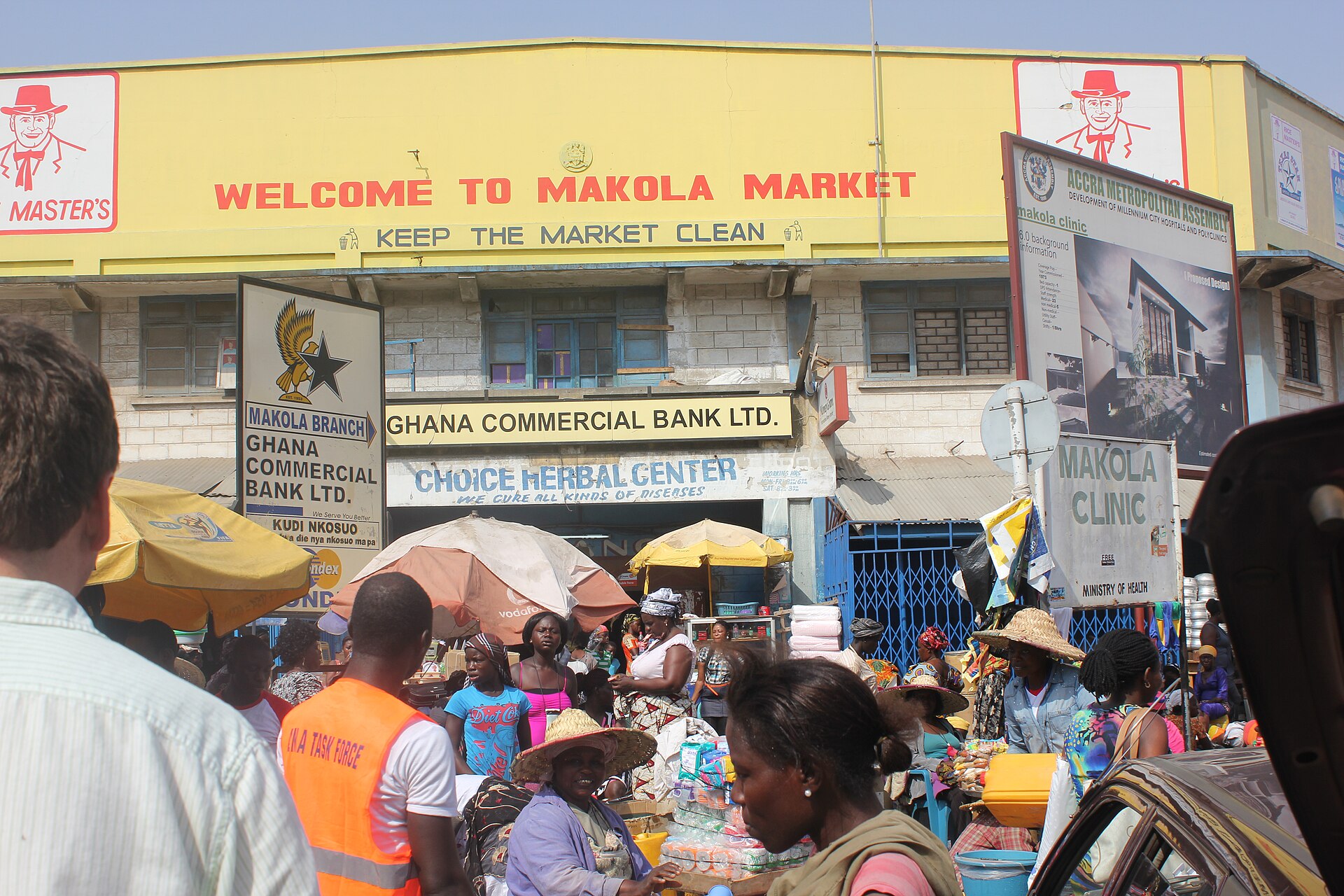
Gender Minister Dr Agnes Naa Momo Lartey told the meeting that girls as young as 10 migrate from northern Ghana to Accra, Kumasi, Sekondi-Takoradi and Tamale. “While the movement of people in search of economic opportunities is not unusual, the circumstances surrounding the migration of many Kayayie raise significant concerns,” she said.
Lartey said earlier efforts by government, charities and donors, including temporary shelters, skills training, rehabilitation and public education, had been fragmented and insufficiently coordinated. The framework, she said, would “move beyond short-term and reactive interventions towards a comprehensive national response”.
“This framework will establish clear institutional responsibilities, coordination arrangements and accountability mechanisms to guide effective implementation,” Lartey said. The Ministry lists five aims: preventing unsafe migration, protecting vulnerable girls and women, supporting rehabilitation and reintegration, promoting sustainable livelihoods, and setting out who is responsible for what.
Lartey said the plan will build on the Livelihood Empowerment Against Poverty (LEAP) cash-transfer programme, two laws, the Social Protection Act 2025 (Act 1148) and the Children’s Act 1998 (Act 560), and the National Gender Policy 2025-2034. These show Ghana has policy tools, she said, but their impact “would depend on how effectively they are coordinated, targeted, implemented and connected to the specific circumstances of vulnerable girls, their families and communities of origin.”
Dr Wilfred Ochan, UNFPA’s Ghana Country Representative, said the phenomenon reflects deeper structural inequalities, especially between northern and southern Ghana, rather than urban migration alone. He described migration as a survival strategy that exposes girls to exploitation, sexual and gender-based violence, poor living conditions and health risks.
Ochan named rural poverty, exclusion from education and harmful gender norms as drivers, and said climate variability and farming shocks add strain on poor rural households. Dr Miriam Rahinatu Iddrisu, Social Policy Advisor at the Vice-President’s Office, said the framework must be government-owned, evidence-based and informed by the lived experiences of Kayayei.
Zuwera Mohammed Ibrahimah, the member of parliament for Salaga South, a northern constituency, and Vice-Chair of Parliament’s gender committee, and the Ministry’s Chief Director also attended, along with traditional authorities, development partners and Kayayei community representatives. None of the reports gives a completion date, a budget or a draft text, or says how many Kayayei the plan would reach.
The instruments it builds on are recent: the National Gender Policy was launched in March 2026 and the Social Protection Act became law in August 2025. No next date has been announced, so the test will be whether a draft reaches the public and the women it is meant to serve.
Frequently Asked Questions
What are Kayayei?
They are female head porters who carry goods in city markets for a fee. Many are young migrants from northern Ghana.
What will the framework do?
It aims to prevent unsafe migration, protect girls, support rehabilitation and livelihoods, and set out who is responsible.
Why do girls leave northern Ghana?
UNFPA’s Ochan points to rural poverty, exclusion from education and harmful gender norms. Farming shocks and climate variability add strain on poor rural households.
Sources
Published Wednesday 25 November 2026 · Source: statements by Ghana’s Ministry of Gender, Children and Social Protection and UNFPA Ghana officials; Ministry of Gender, Children and Social Protection · UNFPA Ghana
Connected Coverage
This article was produced by The Rio Times’ automated AI newsroom. Editorial responsibility: Matthias Camenzind, Publisher and Editor-in-Chief. The Rio Times also runs Ask Rio Times, which answers from 100,000+ of our own articles, the daily Latin America Power Map, and prediction-market odds on elections and markets.. How we use AI · Report an error