Ghana Pays Bondholders US$1.1 Billion Early
Ghana has begun paying off a domestic bond early, using a government savings fund built for the purpose. More than half of the bond stayed with holders in the first round, and the ministry has not said why.

Ghana Debt
Ghana paid GH¢12.9 billion (cedis, about US$1.1 billion) in cash on Thursday 26 November 2026 to retire 44.1% of a government bond due in February 2027, Finance Minister Cassiel Ato Forson told Parliament in Accra. The money went to holders who chose to sell early, months before the bond matures.
The bonds come from the Domestic Debt Exchange Programme (DDEP), the 2022-23 swap of old government bonds for new ones with lower interest and longer lives. The early payment tests whether Ghana can rebuild trust with lenders after its 2022 default.
Key Facts
- Who. Finance Minister Cassiel Ato Forson and holders of the DDEP bonds due in February 2027
- What. Early cash buyback of a government bond: GH¢12.9 billion (about US$1.1 billion) paid
- Where and when. Accra, settled Thursday 26 November 2026, before the noon cut-off
- Next. Offer reopens in about two weeks for remaining holders; bond matures Tuesday 16 February 2027
- As of. 28 November 2026, 06:30 GMT
Ghana has begun paying off a domestic bond early, using a government savings fund built for the purpose. More than half of the bond stayed with holders in the first round, and the ministry has not said why.
That swap was part of Ghana’s recovery after the 2022 default, alongside its US$3 billion programme with the International Monetary Fund. In Notice BG/FMD/2026/56 of Wednesday 18 November 2026, the Bank of Ghana, the central bank, invited all holders of the bond due on 16 February 2027 to sell it back.
The offer ran from 9:00 a.m. on Monday 23 November to 3:00 p.m. on Wednesday 25 November 2026 and covered up to GH¢28.58 billion (about US$2.4 billion at about 11.7 cedis per dollar, the Bank of Ghana’s rate for November 2026, using the cedi rate), the notice says. Offers were accepted on a yield basis (sellers bid the interest rate they would accept) and successful offers cleared at a multiple clearing level.
Of the GH¢12.9 billion paid, GH¢12.6 billion (US$1.08 billion) settled bond principal and GH¢289 million (about US$25 million) covered accrued interest, Forson told Parliament on Thursday 26 November 2026. Settlement finished at 11:15 a.m., 45 minutes before the usual noon cut-off.
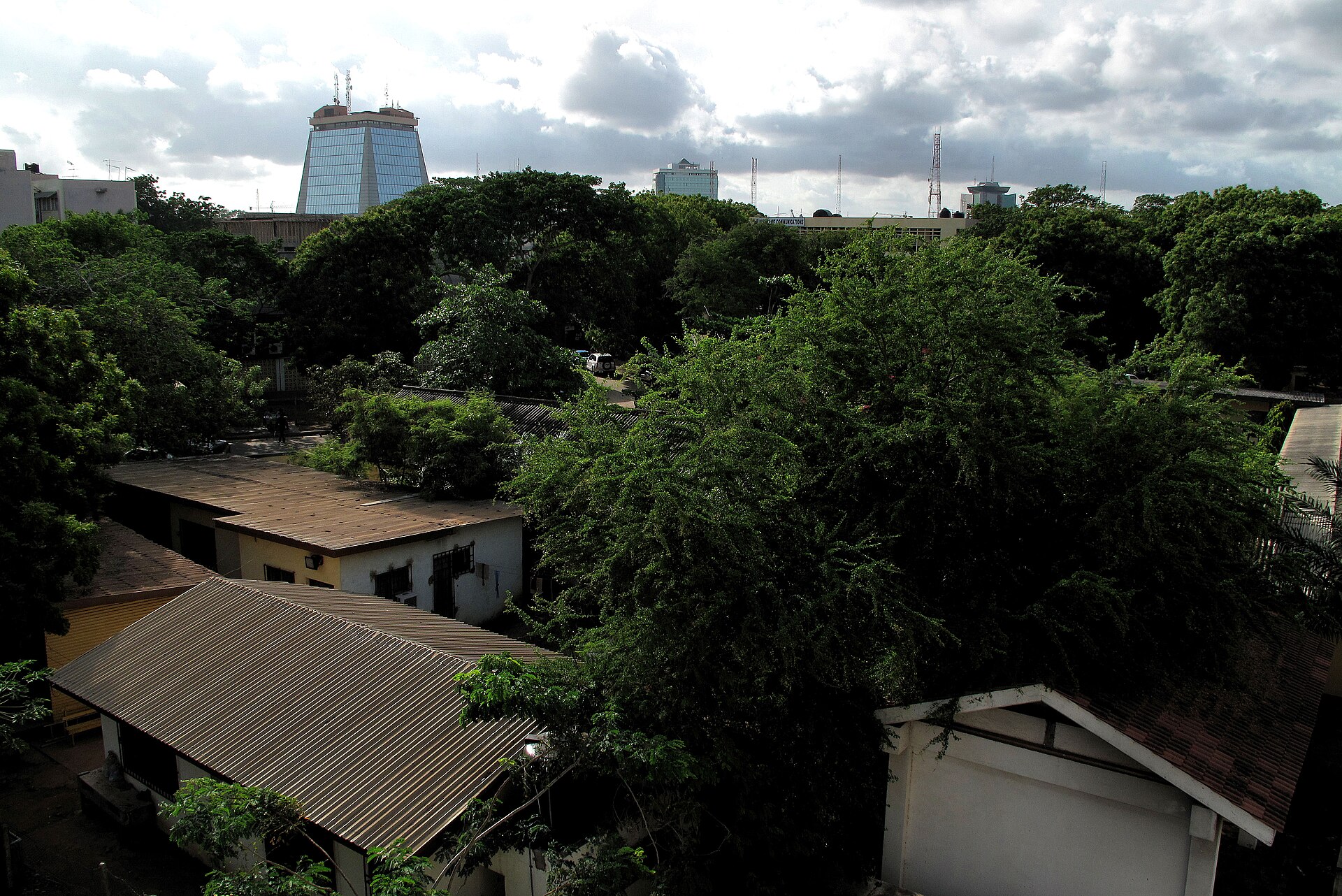
Forson told Parliament in Accra on Thursday 26 November 2026: “In a single round, we retired 44.1 per cent of the DDEP bonds due in February 2027, months ahead of maturity.” The cash came from the Cedi Sinking Fund, a ring-fenced government savings pot for debt repayment.
He added: “This is how you rebuild confidence. We set the money aside, we made the offer, and we paid ahead of time.” It echoes his call to bondholders on Thursday 12 November 2026 to come and collect their money, with the cash already set aside.
Forson said the Cedi Sinking Fund held GH¢29 billion (about US$2.5 billion) on Wednesday 11 November 2026. He said that is enough to cover the full February principal.
The 2027 Budget Statement of Thursday 12 November 2026 puts the February bond’s total bill at GH¢40.1 billion (about US$3.4 billion). Of that, GH¢29 billion (about US$2.5 billion) is principal and GH¢11.1 billion (about US$0.95 billion) is interest.
A further payment falls due in August 2027, the same statement says, so about GH¢53 billion (about US$4.5 billion) is due across the two dates. Thursday’s payment is therefore a first slice, and Forson told Parliament the buyback will reopen in about two weeks for holders of the rest.
The budget also plans to settle a US$590 million Eurobond, a dollar bond sold to foreign investors, due on Saturday 2 January 2027, before 31 December 2026. It puts public debt at 47.5% of gross domestic product (GDP, the size of the economy) at the end of October 2026, or GH¢759.3 billion (about US$65 billion).
Godfred Bokpin, professor of finance at the University of Ghana Business School, said in February 2025, after an earlier DDEP payment, that money held in a sinking fund has an opportunity cost. He judged that building market confidence justified it.
The Finance Ministry has not published the yields at which the buyback cleared. It has also not said why 55.9% of the bond stayed with holders in the first round.
The reopened offer has no date beyond Forson’s word of about two weeks. The bond itself matures on Tuesday 16 February 2027.
More: Ghana news in English, every day from The Rio Times.
Frequently Asked Questions
Is this a forced buyback?
No. The Bank of Ghana’s notice made the offer voluntary, open to all holders, who chose whether to sell.
Why does early repayment matter to foreign investors?
It shows whether Ghana pays what it promises after its 2022 default, which lenders weigh when they judge new lending.
What happens to bonds that were not sold?
They stay with their holders and pay out at maturity unless holders accept the reopened offer.
Sources
- Bank of Ghana, Notice BG/FMD/2026/56, 18 November 2026
- Ghana Finance Ministry, 2027 Budget Statement, 12 November 2026
- statement by Finance Minister Cassiel Ato Forson to Parliament, 26 November 2026
- University of Ghana Business School, 19 February 2025
Related coverage: Ghana’s budget puts debt at 47.5% of GDP.
This article was produced by The Rio Times’ automated AI newsroom. Editorial responsibility: Matthias Camenzind, Publisher and Editor-in-Chief. The Rio Times also runs Ask Rio Times, which answers from 100,000+ of our own articles, the daily Latin America Power Map, and prediction-market odds on elections and markets.. How we use AI · Report an error