Germany’s President Visits Ivory Coast
Germany's president praised Côte d'Ivoire as a close trade partner and pledged security support, but no new money was announced.
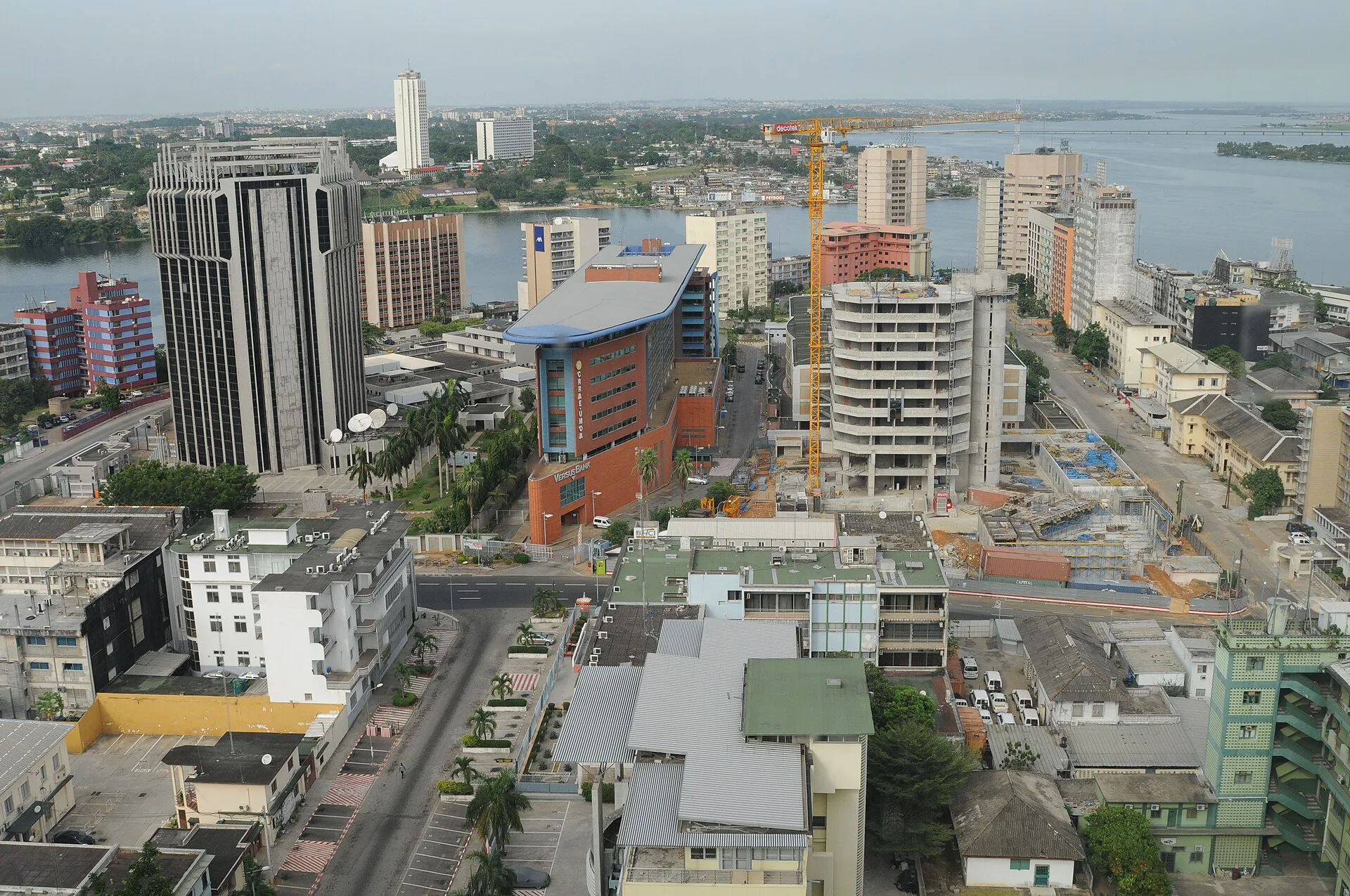
Côte d’Ivoire: Diplomacy
German Federal President Frank-Walter Steinmeier opened a three-nation African trip in Abidjan on Monday 23 November 2026, when Ivorian President Alassane Ouattara received him with military honours at the Presidential Palace. The two men then held talks, a joint press appearance and a lunch hosted by Ouattara.
They agreed to expand political and economic cooperation, but no formal agreement or new funding figure was reported as signed. The visit to Côte d’Ivoire, Ghana and Kenya runs from 22 to 26 November 2026, and the Federal President’s office says it is about economic cooperation and training skilled workers.
Key Facts
- Who. German President Frank-Walter Steinmeier and Ivorian President Alassane Ouattara.
- What. Talks on trade, security and training; no formal agreement or new funding reported.
- Where. Abidjan, Côte d’Ivoire, first stop before Ghana and Kenya.
- When. Monday 23 November 2026; the tour runs to 26 November.
- As of. 24 November 2026, 07:00 GMT
Germany’s president praised Côte d’Ivoire as a close trade partner and pledged security support, but no new money was announced.
Germany and Côte d’Ivoire have had diplomatic relations since 7 August 1960, and they signed a climate and development partnership in November 2023, according to the Federal Foreign Office, Germany’s foreign ministry. Germany’s development ministry, known as BMZ, reported 203.14 million euros (about US$221 million at EUR/USD 1.090) of new commitments for Côte d’Ivoire in 2023, of which 126 million euros (about US$137 million) went to projects under that partnership.
Steinmeier said Germany has no closer trade relations with any French-speaking country south of the Sahara than with Côte d’Ivoire. He added: “At the same time, I am convinced yet more is possible.”
Ouattara said trade with Germany rose 21% in 2025 to just over 1.4 billion euros (about US$1.5 billion at EUR/USD 1.090 on 24 November 2026). “However, the potential that our two economies offer has not yet been fully tapped,” he said.
Steinmeier said such partnerships matter at a time when international funds are shrinking. A German business delegation travels along, but the Federal President’s programme does not say which companies are in it.
In the Federal President’s report, Steinmeier welcomed what he called Côte d’Ivoire’s clear and unwavering commitment to multilateral cooperation. Ouattara hosted the lunch that followed the talks.
Steinmeier pledged further German support against terrorism in Côte d’Ivoire and its neighbours. He visited the International Counter-Terrorism Academy in Jacqueville, a coastal town west of Abidjan, which trains special and security forces and where Germany is also involved, and a vocational school in Yopougon, a district of Abidjan, where Germany supports practice-oriented training.
Both presidents were disappointed that the UN climate conference ended on Sunday 22 November 2026 without a joint declaration. Steinmeier said it was clear that action is needed.
Ouattara put the emphasis elsewhere, saying Africa contributes very little to global emissions. The two men stressed different priorities on climate.
Côte d’Ivoire is the world’s most important cocoa supplier, according to the Federal Foreign Office, and several German bodies work there. They include GIZ, Germany’s technical cooperation agency, and DEG, its development investor.
For American chocolate makers, the stability of the top cocoa supplier is a business matter, and Steinmeier pledged security support to the region. No new funding amount has been reported from the talks.
The reported remarks do not say how the expanded cooperation would be financed. Steinmeier travels to Ghana on Tuesday 24 November 2026 for talks with President John Dramani Mahama and an address at the 6th German-African Business Summit, a business conference, in Accra.
On Wednesday 25 November he meets Kenyan President William Ruto, and he returns to Berlin on Thursday 26 November. His second term as Federal President ends in March 2027.
Our earlier reporting covers the cost of Côte d’Ivoire’s cocoa buyout. We also reported on the mining and energy fair that ended on pledges in Abidjan.
Frequently Asked Questions
Did Germany and Côte d’Ivoire sign a deal?
Not in the official programme or the statements we could verify. The presidents agreed to expand cooperation, but no agreement or funding was reported as signed.
Why does Côte d’Ivoire matter to Germany?
It is Germany’s closest trade partner among French-speaking countries south of the Sahara. It is also the world’s most important cocoa supplier and sits in a region where Berlin offers security help.
Where does Steinmeier go next?
Ghana, then Kenya, before he returns to Berlin. Business ties are the theme of the Accra stop.
Sources: Federal President’s office (programme, report and speech texts, 23 November 2026); statements by Frank-Walter Steinmeier and Alassane Ouattara; German Federal Foreign Office; German development ministry BMZ.
This article was produced by The Rio Times’ automated AI newsroom. Editorial responsibility: Matthias Camenzind, Publisher and Editor-in-Chief. The Rio Times also runs Ask Rio Times, which answers from 100,000+ of our own articles, the daily Latin America Power Map, and prediction-market odds on elections and markets.. How we use AI · Report an error