Markets: Rio de Janeiro
Key Facts
—Decision. Gávea Investimentos, founded by former Central Bank president Armínio Fraga, is exiting its Gávea Macro family of multimarket (hedge) funds and abandoning the strategy.
—Mechanics. The five affected funds, including pension portfolios, will be transferred to Bradesco Asset, subject to approval by shareholders in coming assemblies.
—Track record. The firm thanked clients for their confidence over the past 23 years; the flagship Gávea Macro FIF has trailed the CDI benchmark since 2023.
—Industry outflows. Macro multimarket funds saw net redemptions of R$8.8 billion (about US$1.7 billion) so far in 2026 and R$13.3 billion (about US$2.6 billion) over 12 months, per Anbima.
—Cause. With Brazil’s Selic rate around 14%, lower-risk bonds and tax-exempt notes have lured investors away from hedge funds.
Gávea Investimentos, the firm founded by former Central Bank chief Armínio Fraga, is shutting its multimarket funds and handing them to Bradesco, a striking retreat as Brazil’s high Selic rate reshapes the hedge-fund industry.
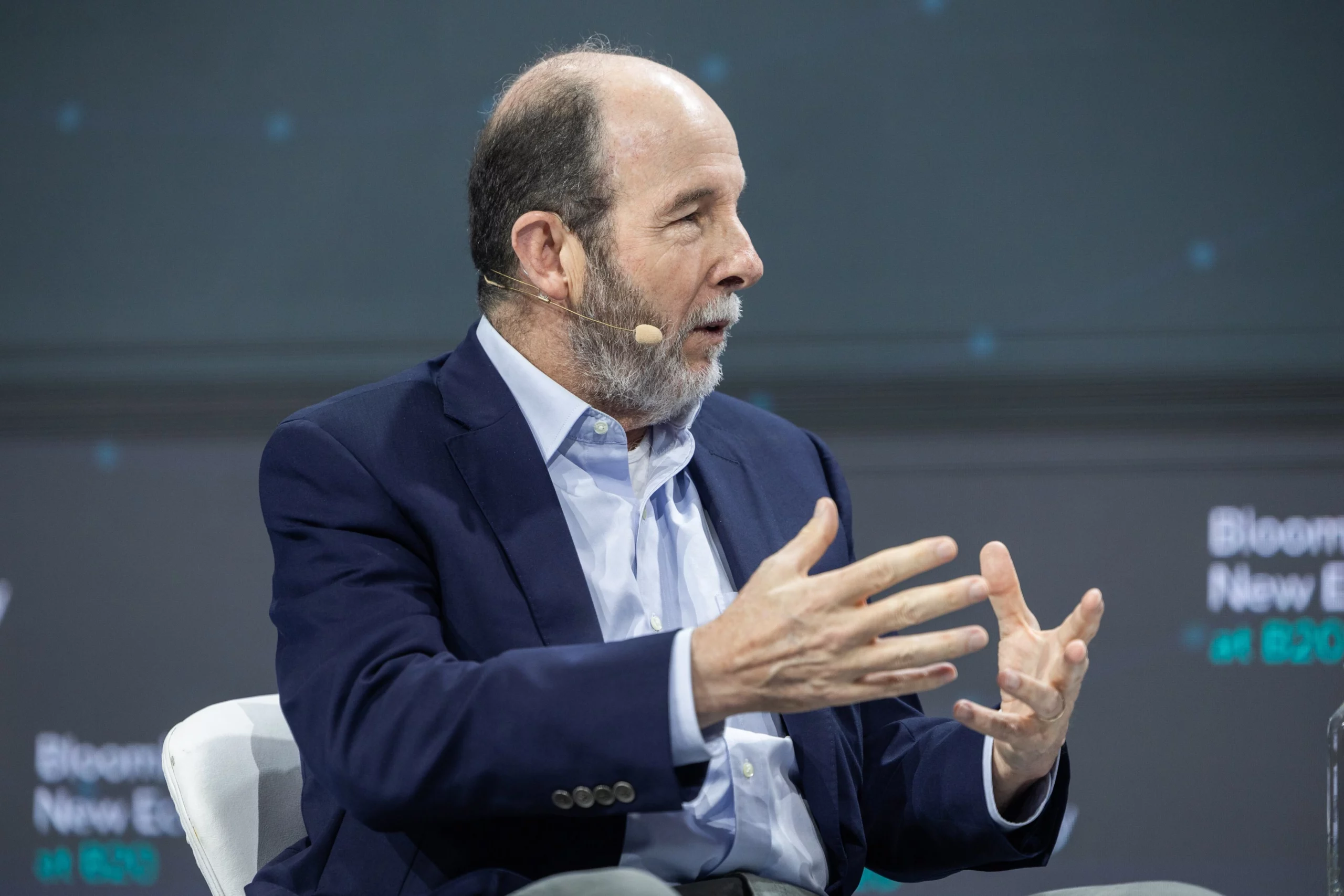
One of Brazil’s Pioneer Managers Steps Back
Gávea Investimentos, one of the first and most prominent independent asset managers in Brazil, told investors on 4 August 2026 that it is transferring the multimarket funds of its Gávea Macro family to Bradesco and abandoning the strategy.
According to the firm’s notice, it will end third-party management of the Gávea Macro family, made up of five funds, including pension (previdência) portfolios. Shareholders will be summoned to assemblies to approve the transfer to Bradesco Asset.
“We are deeply grateful for the confidence, partnership and support received over the past 23 years,” the firm said, adding that its partners had kept a sizable share of their own wealth in the same macro strategy throughout.
A Symptom of a Wider Hedge-Fund Crisis
Gávea’s exit is another sign of the strain on Brazil’s multimarket segment, the local equivalent of hedge funds, which pursue gains by trading economic variables at home and abroad.
Macro-category funds recorded net redemptions of R$8.8 billion (about US$1.7 billion) in 2026 through 30 July, and R$13.3 billion (about US$2.6 billion) over 12 months, according to industry association Anbima. That pulled total assets in the category down to R$97 billion (about US$19 billion) at the end of July.
The withdrawals reflect both weak accumulated returns and competition from lower-risk options, such as government and tax-exempt bonds, infrastructure debentures and LCIs and LCAs, which have become more attractive as interest rates climbed.
How the Numbers Turned Against the Funds
Through 30 July, macro multimarket funds returned 4.37% for the year and 10.80% over 12 months, Anbima data show, while the CDI interbank benchmark returned 8.14% and 14.84% over the same periods, roughly double the funds’ 12-month gain.
Gávea’s flagship Gávea Macro FIF returned 4.35% in 2026 through July, nearly half the CDI for the period. Created in 2008, the fund had been posting annual gains below the CDI since 2023.
Its assets stood at R$325 million (about US$64 million) at the end of July, after net redemptions of R$152 million (about US$30 million) during the year, illustrating how quickly investors have pulled back.
The Selic Squeeze
The core problem is Brazil’s high base interest rate. With the Selic hovering around 14% a year, investors can earn strong, effectively risk-free returns in fixed income, reducing the appeal of paying for active managers who aim to beat that bar.
When cash-like instruments yield double digits, a hedge fund must clear a much higher hurdle to justify its fees and volatility. Many macro funds have struggled to do so, accelerating outflows across the industry.
The pressure intensified in 2026. InfoMoney reported that performance worsened from March amid a conflict between the United States and Iran that upended global markets and caught many managers off guard.
Fraga, the Central Banker Turned Investor
Armínio Fraga led Brazil’s Central Bank from 1999 to 2002, steering the country through the adoption of inflation targeting and a floating currency. He co-founded Gávea Investimentos in 2003, and it became one of the most closely watched independent managers in the country.
JPMorgan bought a majority stake in Gávea in 2010, in a deal that underscored the firm’s standing. Its macro funds long carried the reputation of Fraga’s economic judgment.
Contacted by InfoMoney, Fraga declined to comment on the closure of the multimarket funds. The firm’s formal notice, rather than any public statement from its founder, is the basis for what is known about the decision.
What It Signals for Brazil’s Market
The retreat of a manager as established as Gávea highlights how a prolonged period of high rates is reshaping where Brazilian savings flow, away from active, higher-risk vehicles and toward fixed income.
For the broader industry, the transfer to Bradesco Asset lets existing investors keep exposure under a large bank’s management rather than face outright liquidation, a softer landing than an abrupt closure.
Whether the multimarket segment recovers will depend heavily on the path of the Selic. Until rates fall enough to dull the appeal of risk-free returns, pressure on Brazil’s hedge funds is likely to persist.
Frequently Asked Questions
What is Gávea Investimentos doing with its multimarket funds?
Gávea Investimentos, founded by former Central Bank president Armínio Fraga, is exiting its Gávea Macro family of multimarket funds and transferring the five portfolios, including pension funds, to Bradesco Asset, subject to approval by shareholders in coming assemblies.
Why are Brazilian hedge funds under pressure?
With Brazil’s Selic rate around 14%, low-risk fixed income such as government and tax-exempt bonds offers strong returns, drawing investors away from multimarket funds. Anbima data show net redemptions of R$13.3 billion (about US$2.6 billion) from macro funds over 12 months.
Did Armínio Fraga comment on closing the funds?
No. Contacted by InfoMoney, Fraga declined to comment on the closure. The information comes from Gávea’s notice to investors, which thanked clients for their confidence over 23 years and confirmed the transfer of the funds to Bradesco Asset.
Sources
InfoMoney · Anbima · Money Times
Sources: InfoMoney; Anbima; Money Times.
This article was produced by The Rio Times’ automated newsroom system. How we use AI · Report an error
LatAm Markets: Live Signals → — real-time movers, turnover leaders and FX across Latin America.
Read More from The Rio Times