Europe Intelligence Brief — Thursday, October 29, 2026
Executive Summary
Europe Intelligence Brief for October 29: Spain rail disaster kills 68 and sparks anger; Ukraine waits over a month for Patriot missiles; EU gas prices.
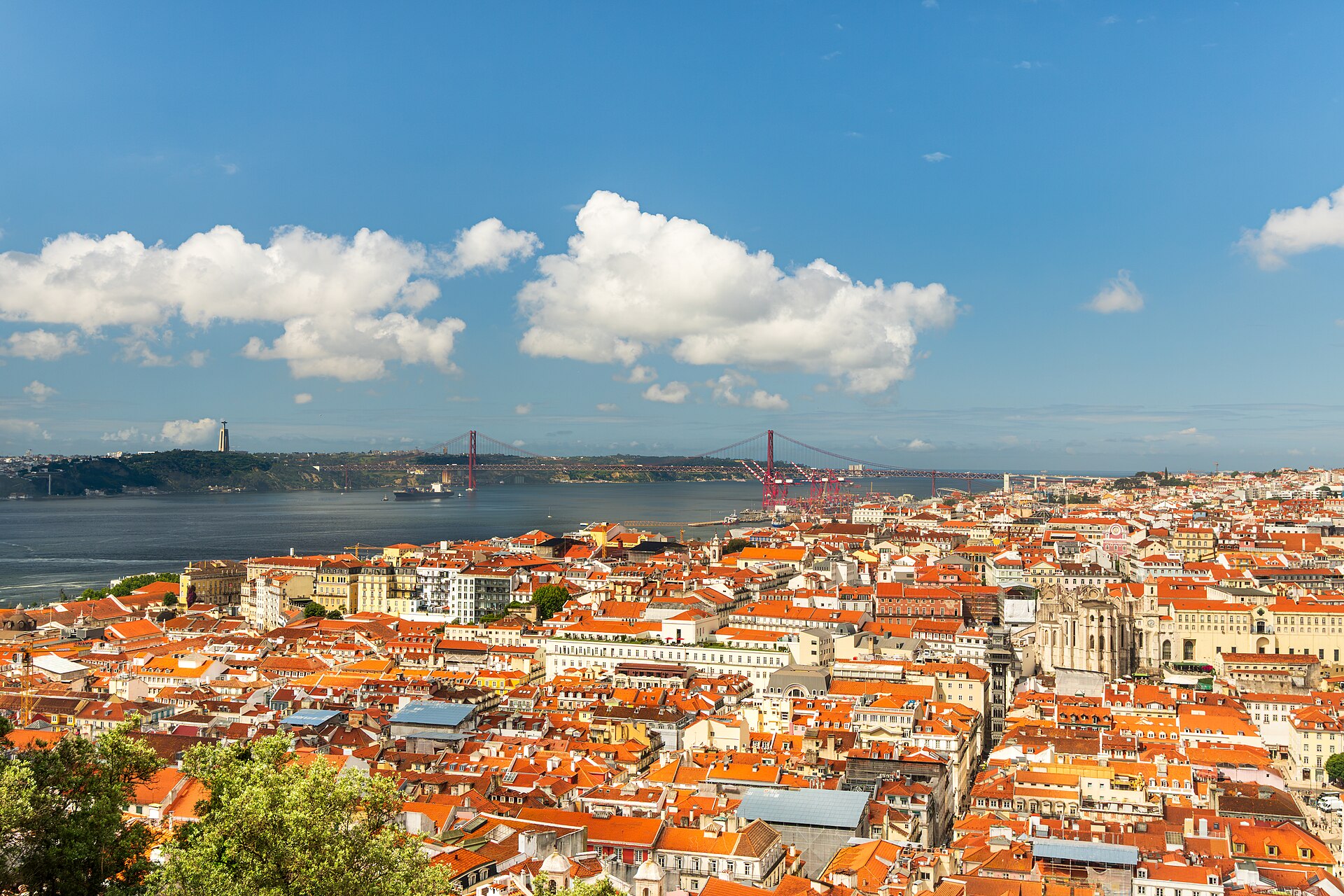
Europe wakes on Thursday to a Spain still reeling from its deadliest high-speed rail disaster in recent memory, with the death toll now at least 68 and more than 100 injured after Wednesday’s collision south of Madrid. The shock has already moved from grief into institutional anger, as demonstrators call for the transport minister’s resignation and Prime Minister Pedro Sánchez promises a full investigation with tough action if safety failures are confirmed.
The register is one of defensive control: Brussels is simultaneously cutting the final ties with Russian gas, approving billions in defence financing for Hungary, and preparing a new instrument against economic coercion from China. The through-line is a continent trying to convert vulnerability into command over rail safety, energy dependence, military supply chains and strategic rivals, while the dominant emotion remains that control is incomplete.
Key Facts
- Spain. At least 68 people died and over 100 were injured in Wednesday’s high-speed train collision near Toledo.
- Mourning. Spain declared three days of official mourning after the country’s second fatal high-speed rail accident in nine months.
- Ukraine. President Volodymyr Zelenskyy said Kyiv has waited nearly a month for US approval of Patriot interceptor missiles.
- Energy. European gas prices crossed €100 (US$111.48) for the first time since 2022 on 29 October.
- Defence. The European Commission approved Hungary’s €5.4 billion (US$6.02 billion) defence-loan application under the SAFE instrument.
Spain: Grief Turns Into Institutional Anger
The collision near Toledo has become Europe’s dominant story not only because of its scale but because it is the second fatal high-speed rail accident in Spain in nine months. The investigation is already focusing on an IT failure, a control-centre instruction at Atocha station and a critical 17-minute sequence, details that suggest systemic vulnerabilities rather than a single human error.
Prime Minister Sánchez has promised to establish the causes and respond firmly to any confirmed safety failures, while protesters demand the resignation of Transport Minister Óscar Puente. For a US reader, the episode shows how quickly a modern infrastructure tragedy can shift from mourning to political accountability, and how repeated failures erode public trust in state competence.
Ukraine: Impatience With Allied Speed
President Zelenskyy’s statements that Kyiv has been waiting nearly a month for US Defence Secretary Pete Hegseth to approve Patriot interceptor missiles reveal a deeper frustration beneath the public defiance. Ukraine receives some systems through NATO’s Prioritised Ukraine Requirements List, yet the delay underscores how dependent Kyiv remains on the pace of Western decision-making.
At the same time, a Russian attack caused a major fire affecting buildings in Kharkiv on Thursday, a reminder that the war’s civilian toll continues even as attention shifts to diplomatic and strategic questions. The mood is one of exhausted urgency: Ukraine is fighting for survival while waiting for the weapons that could protect its cities, and the gap between need and delivery is itself becoming a political issue.
Brussels: Defensive On Energy And Trade
The European Commission’s statement that Nord Stream will not return Russian gas to Europe after the war, combined with legislation requiring a full phase-out of Russian gas imports by the end of 2027, signals a definitive break with the energy past. Yet the same day brought European gas prices above €100 (US$111.48) for the first time since 2022, and the EU’s monthly oil-import bill is €10 billion (US$11.15 billion) higher than in 2025.
Brussels is also preparing a tool to protect the EU economy from countries weaponising strategic dependencies, with European businesses warning that diversification could raise costs and questioning which sectors would be covered. The mood is one of strategic anxiety: the EU wants to be less vulnerable to both Russia and China, but the price of that autonomy is becoming visible in energy bills and corporate uncertainty.
Canada And Europe: An Alliance For The Future
EU leaders and Canadian Prime Minister Mark Carney began a summit in Montréal on Thursday and launched an “Alliance for the Future”, covering Ukraine’s defence, possible US midterm-election effects and higher oil prices. The timing is significant: Europe is seeking reliable partners beyond Washington at a moment when transatlantic coordination faces new uncertainties.
The summit frames energy, security and economic strategy in a single conversation, reflecting a broader European effort to build resilience through diversified partnerships. For a US reader, the Montréal meeting is a signal that Europe is hedging its strategic bets, not out of hostility but out of a determination to manage its own vulnerabilities.
What This Means From Latin America
The rise in European gas prices and the reported €10 billion (US$11.15 billion) monthly increase in the EU’s oil-import bill point to a Europe that will be more sensitive to global energy costs and supply security. Latin American energy exporters may find renewed European interest, though no specific regional measure has yet been reported.
The EU’s planned instrument against economic coercion could also shape future trade rules for suppliers of critical goods, including Latin American producers of minerals and agricultural commodities. The direction is clear: Europe is prioritising resilience and strategic autonomy, and that will reshape its commercial relationships with the Global South over time.
What We Are Watching
- 29 October, 9:15 a.m. ET: European Central Bank interest rate decision, forecast at 2.65 percent after 2.65 percent. The outcome will shape borrowing costs across the eurozone amid energy-driven inflation anxiety and political fragility.
- 29 October, 7:01 p.m. ET: Ireland consumer confidence for October, forecast at 60 after 61.1. A decline would confirm that Irish households are feeling the same cost-of-living strain visible across the eurozone.
- 30 October, 2:30 a.m. ET: France GDP growth rate for Q3, forecast at 0.1 percent after 0 percent. The print will show whether the eurozone’s second-largest economy is stagnating or beginning to recover.
- 30 October, 4:00 a.m. ET: Spain inflation rate for October, forecast at 4.9 percent after 4.9 percent. The reading will indicate whether energy costs are still feeding through to Spanish consumers amid the national mourning.
- 30 October, 5:00 a.m. ET: Germany GDP growth rate for Q3, forecast at 0.1 percent after 0.3 percent. A slowdown would deepen concerns about Europe’s largest economy and its political stability.
Background: Europe Intelligence Dossier archive
Frequently Asked Questions
What happened in the Spanish rail disaster?
Two high-speed trains collided south of Madrid near Toledo on Wednesday, 28 October, killing at least 68 people and injuring more than 100. Spain declared three days of official mourning, and the investigation is focusing on an IT failure, a control-centre instruction at Atocha and a 17-minute sequence.
Why is Ukraine frustrated over Patriot missiles?
President Volodymyr Zelenskyy said Kyiv has waited nearly a month for US Defence Secretary Pete Hegseth to approve Patriot interceptor missiles. Ukraine receives some systems through NATO’s Prioritised Ukraine Requirements List, but the delay underscores Kyiv’s dependence on the pace of Western decision-making.
What is the EU doing about Russian gas?
The European Commission said Nord Stream will not return Russian gas to Europe after the war, and legislation requires the EU to phase out all Russian gas imports by the end of 2027. European gas prices crossed €100 (US$111.48) for the first time since 2022 on the same day.
What is the EU–Canada Alliance for the Future?
EU leaders and Canadian Prime Minister Mark Carney launched the “Alliance for the Future” at a summit in Montréal on Thursday. The discussions covered Ukraine’s defence, possible US midterm-election effects and higher oil prices, signalling Europe’s effort to build diversified strategic partnerships.
Keep reading: Europe Intelligence Dossier — 29 October 2026 | Archive
This article was produced by The Rio Times’ automated newsroom system. How we use AI · Report an error · Editorial responsibility: Matthias Camenzind, Editor-in-Chief
LatAm Markets: Live Signals → — real-time movers, turnover leaders and FX across Latin America.