Egypt Widens Factory Loans, Eyes Cruise Port
Egypt’s cabinet has let factories use cheap state-backed loans to pay for inputs, and it has pressed on with handing a cruise terminal to a private consortium. Both were approved at the same weekly meeting, together with several other decisions.

Egypt · Industry and Ports
Egypt’s cabinet, chaired by Prime Minister Mostafa Madbouly at its weekly meeting on Wednesday 25 November 2026, widened a subsidised loan scheme for factories to cover working capital. It also moved ahead with a concession for the passenger terminal at Alexandria Port, on Egypt’s Mediterranean coast.
The loan change gives factories cheap credit for day-to-day costs, not only for new equipment. The port step follows an earlier cabinet approval for the same terminal that was reported in 2026.
Key Facts
- Who. Egypt’s cabinet, led by Prime Minister Mostafa Madbouly.
- What. 15% subsidised factory loans now cover working capital; Alexandria cruise terminal concession advances.
- Where. Egypt, including Alexandria Port on the Mediterranean coast.
- When. Decided Wednesday 25 November 2026.
- As of. 26 November 2026, 07:34 GMT.
Egypt’s cabinet has let factories use cheap state-backed loans to pay for inputs, and it has pressed on with handing a cruise terminal to a private consortium. Both were approved at the same weekly meeting, together with several other decisions.
The scheme dates from a first phase of an EGP 30 billion initiative announced by the industry and finance ministries in late December 2024. That is about US$554 million at the market close of EGP 54.19 per US$ on 25 November 2026.
The first phase financed only new machinery and production lines, at a subsidised 15% rate for five years. It capped lending at EGP 75 million per client (about US$1.4 million).
On 25 November the cabinet split the ceiling equally between machinery and equipment, and raw materials, inputs and spare parts. The scheme is now open to all industrial activities.
Limits rise to EGP 200 million (about US$3.7 million) and, for related parties together, EGP 250 million (about US$4.6 million). The cabinet text applies the EGP 200 million cap to a single project.
Higher limits go only to industries of strategic priority, picked case by case by a committee of the finance ministry and the Industrial Development Authority, the state industrial-development body. Each case then goes to the finance and industry ministers for approval.
Projects need not be finished, but must be on schedule, at least one year in and at least 60% built. Priority goes to a struggling or closed factory that merges with a new investor, if the new entity owes nothing to banks.
The cabinet has not said when the widened scheme starts. It has not said how much of the ceiling is paid out.
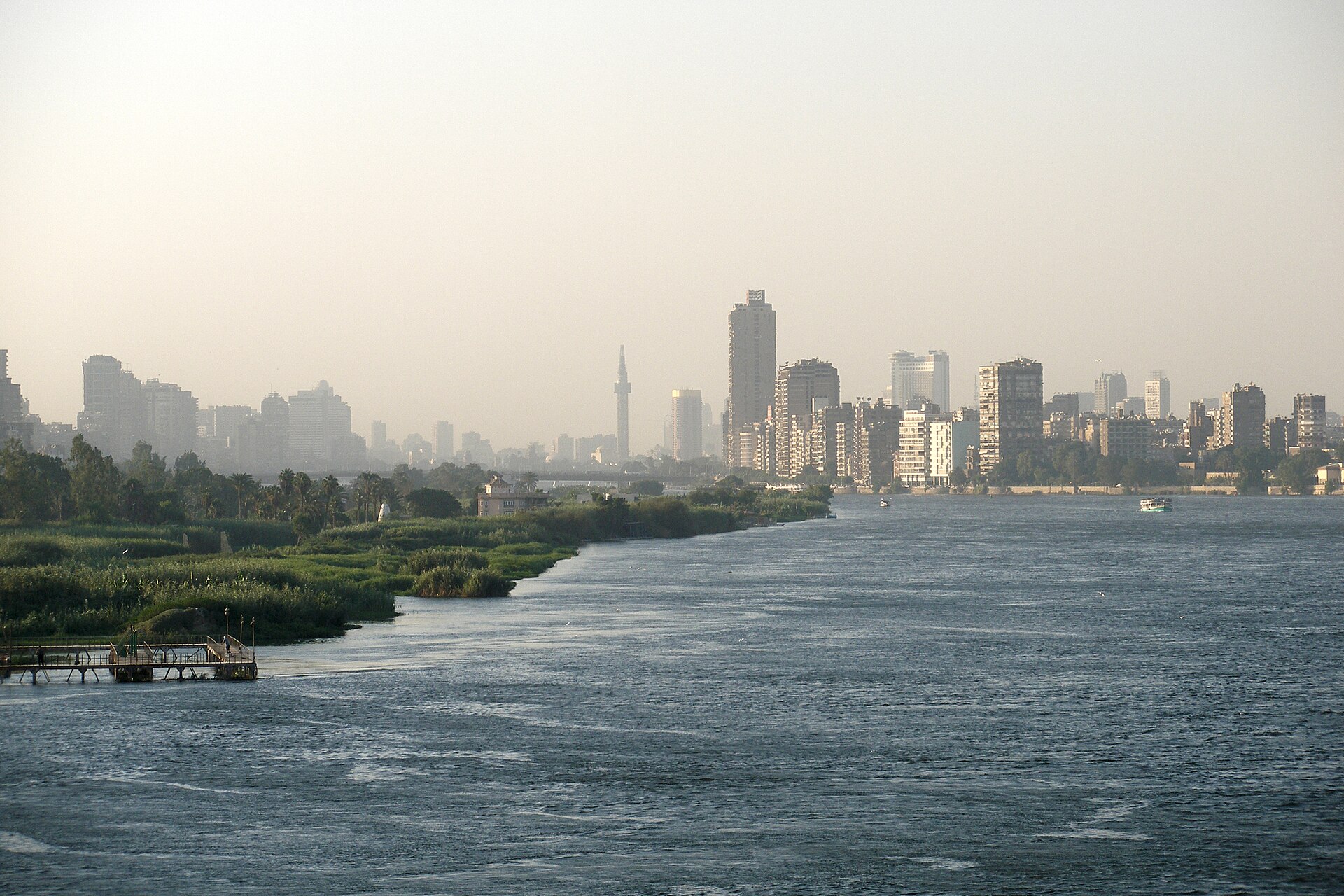
On the port, the cabinet approved continuing procedures for a concession to manage, market, operate, maintain and later return the passenger terminal at Alexandria Port. It would go to GPH Pan Maritime Passenger Terminals, a company being set up under the special free-zones system, a regime with its own customs and tax rules.
The company is being formed by a consortium of three firms, Global Liman Isletmeleri, Pan Terminal Management and Pan Marine, whose roles the cabinet did not describe. The government’s stated aim is better use of port assets and more cruise ships calling at Egypt.
An earlier cabinet approval for the same terminal, under a similar company name, was reported in June 2026 as a 15-year concession. The 25 November decision itself gives no price, length or timeline.
The cabinet also approved a decree on a strategic objectives agreement with the United States, which gives Egypt more flexibility in choosing which programmes, from energy and water to agriculture and education, receive assistance. It also approved a US$470,000 financing agreement with IFAD, the UN agricultural development fund, and a US$6.97 million Egyptian subscription to the World Bank’s IDA, its fund for poorer countries.
The working-capital change matters because factories pay for inputs before they collect from buyers, and the 15% rate can now fund that gap. The cabinet has given no estimate of the effect, and no industry body’s view was available.
The terminal decision is a step in a process rather than a signed contract. The record gives no date for the next step on either decision.
More: Egypt news in English, every day from The Rio Times.
Frequently Asked Questions
What changed in Egypt’s factory loan scheme?
It now covers working capital as well as machinery, and the loan limits are higher. The cabinet decided this on Wednesday 25 November 2026.
Has the Alexandria cruise terminal been handed over?
Not yet, because the cabinet approved continuing the procedures only. No financial terms or timeline have been announced.
Sources: Egypt’s cabinet decisions of Wednesday 25 November 2026 (the cabinet’s own page could not be opened; the decisions are as carried in Egyptian reporting); announcement of the first phase of the industrial financing initiative by the industry and finance ministries, 30 December 2024; earlier cabinet approval on the Alexandria passenger terminal, reported in June 2026; USD/EGP market close, 25 November 2026.
This article was produced by The Rio Times’ automated AI newsroom. Editorial responsibility: Matthias Camenzind, Publisher and Editor-in-Chief. The Rio Times also runs Ask Rio Times, which answers from 100,000+ of our own articles, the daily Latin America Power Map, and prediction-market odds on elections and markets.. How we use AI · Report an error