Egypt Expects Ramadan to Start 8 February
Astronomers can calculate the date months ahead, but in Egypt the official word comes from the Grand Mufti, Egypt’s senior Islamic legal official, after the moon has been looked for.

Ramadan: Egypt
Astronomical calculations published in Egypt on 28 November say Ramadan, the Muslim month of daytime fasting, is expected to begin on Monday 8 February 2027. The same calculations put Eid al-Fitr, the festival that ends the fast, on Wednesday 10 March 2027, if Ramadan lasts 30 days.
This is a forecast, not an announcement. Egypt’s official start date will come only after the new moon is looked for on a night that has not yet been named.
Key Facts
- Who. Egyptian astronomical calculations, published 28 November; no institution is named.
- What. Ramadan 1448 (Islamic calendar year) is expected to begin Monday 8 February 2027.
- When. Eid al-Fitr, the festival ending the fast, is expected Wednesday 10 March 2027, after a 30-day month.
- Status. Forecast only. Dar al-Ifta, Egypt’s state fatwa authority, has announced nothing.
- As of. 28 November 2026, 07:00 GMT
Astronomers can calculate the date months ahead, but in Egypt the official word comes from the Grand Mufti, Egypt’s senior Islamic legal official, after the moon has been looked for.
Ramadan follows the Islamic lunar calendar, in which each month begins with a new crescent moon rather than on a fixed date. Twelve lunar months add up to about 354 or 355 days, against 365 in the solar calendar used in the West, so Ramadan falls earlier each year.
The Egyptian report names no astronomer or institution and gives no time for the conjunction, the moment the moon passes between Earth and the Sun and cannot be seen. Other calculations published in the Gulf and in Algeria in September and October 2026 also give Monday 8 February.
Astronomical tables put the new moon, or conjunction, at about 15:56 GMT (17:56 Cairo time) on Saturday 6 February, shortly after sunset in Cairo. Published forecasts say the crescent will be looked for on the evening of Sunday 7 February, with the first day of fasting following on Monday 8 February if it is seen.
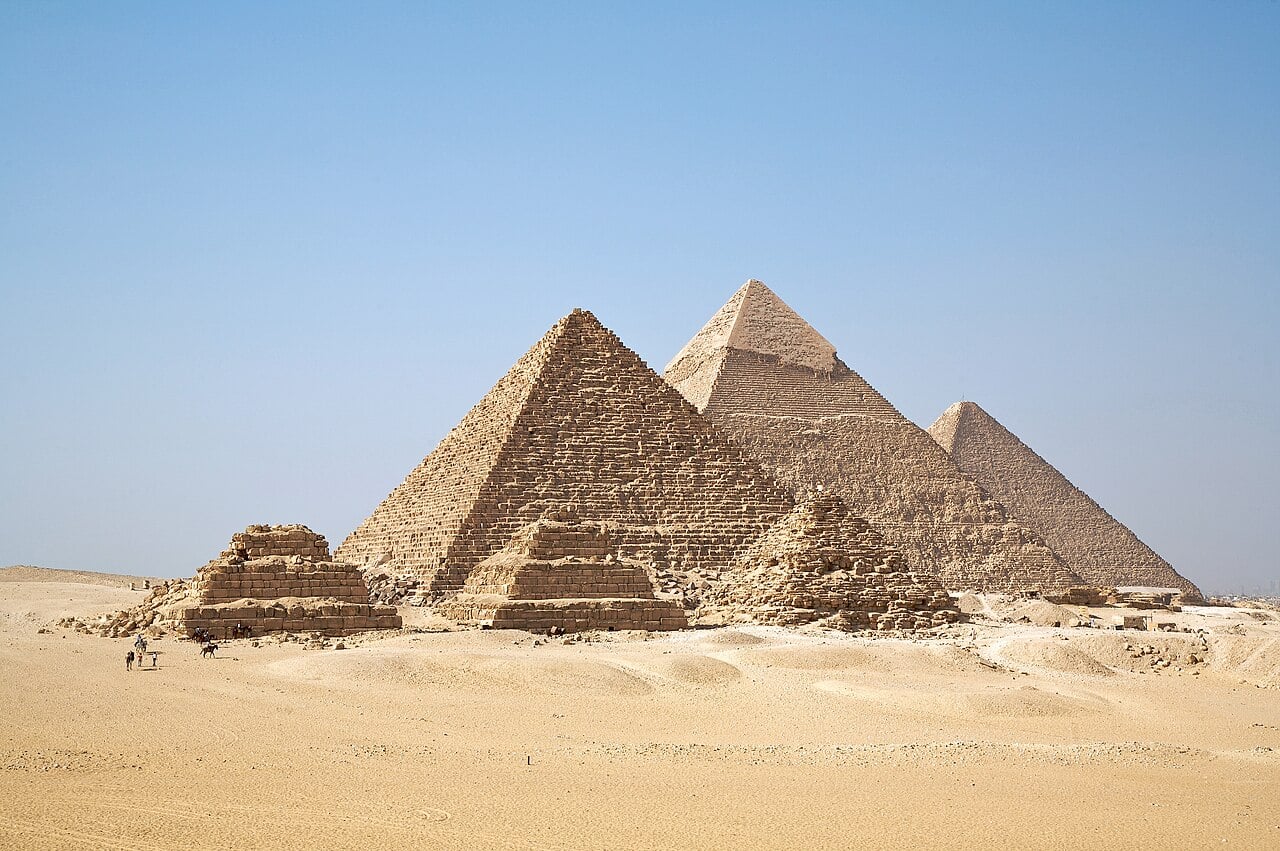
One forecast says calculations by Egypt’s National Research Institute of Astronomy and Geophysics (NRIAG) also give 8 February. The official sighting night has not been announced.
Egypt’s official process rests with Dar al-Ifta, the state fatwa authority headed by the Grand Mufti, the country’s senior Islamic legal official. Its website says one of its key responsibilities is to decide when each month of the Islamic lunar calendar begins and ends.
Seven committees chosen from government bodies do the sighting work on the 29th of each lunar month, and Dar al-Ifta says they include scholars and astronomers. The Grand Mufti then analyses the results from the committees and announces the beginning of the new month.
As of 28 November, Dar al-Ifta has made no statement for 2027. Ahead of Ramadan 2026, NRIAG said in February that the crescent would be born after conjunction at 2:02 p.m. Cairo time on Tuesday 17 February, and that the first day of Ramadan was expected on Thursday 19 February 2026.
Ramadan dates shape travel and business planning in Egypt, and the start is moving earlier every year. For a visitor or a company planning around early 2027, 8 February is best treated as provisional until Dar al-Ifta speaks.
The official date, the sighting evening, the exact moment of conjunction and the length of Shaaban all remain unknown. Shaaban, the month before Ramadan, can run 29 or 30 days, and that length decides the date.
Frequently Asked Questions
Is 8 February the official start of Ramadan in Egypt?
No, it is a forecast from astronomical calculations. Dar al-Ifta announces the official start after its committees report on the moon.
Why does Ramadan start earlier each year?
It follows the lunar calendar, which is shorter than the solar calendar. The festival therefore moves back through the seasons.
Sources
Dar al-Ifta al-Misriyyah, “Lunar months and moon sighting” (dar-alifta.org/en/service/lunar-months-moon-sighting), checked 28 November 2026; National Research Institute of Astronomy and Geophysics (NRIAG) forecast of 5 February 2026; astronomical calculations published in Egypt on 28 November 2026; published Gulf and Algerian forecasts, September and October 2026; an international astronomy centre’s new-moon forecast.
This article was produced by The Rio Times’ automated AI newsroom. Editorial responsibility: Matthias Camenzind, Publisher and Editor-in-Chief. The Rio Times also runs Ask Rio Times, which answers from 100,000+ of our own articles, the daily Latin America Power Map, and prediction-market odds on elections and markets.. How we use AI · Report an error