Diageo Exits Nigeria, Stoking Fears About This African Powerhouse
In a bold shift, Diageo sold its majority stake in Guinness Nigeria to Singapore’s Tolaram Group for $70 million.
This decision highlights the complex interplay of global business strategies and local economic challenges.
Diageo’s strategic pivot away from direct ownership aims for a more flexible business model in a region marked by economic volatility, including severe inflation and currency instability.
Nigeria’s economy, among Africa‘s largest, has been a tough battleground for businesses.
Inflation rocketed from 22% to 33% within a year, eroding consumer purchasing power.
This economic pressure led to multiple price hikes by companies, including beer manufacturers, yet they still faced soaring operational costs.
For Guinness Nigeria, the impact was stark, recording a loss of over 18 billion naira (approximately $28 million).
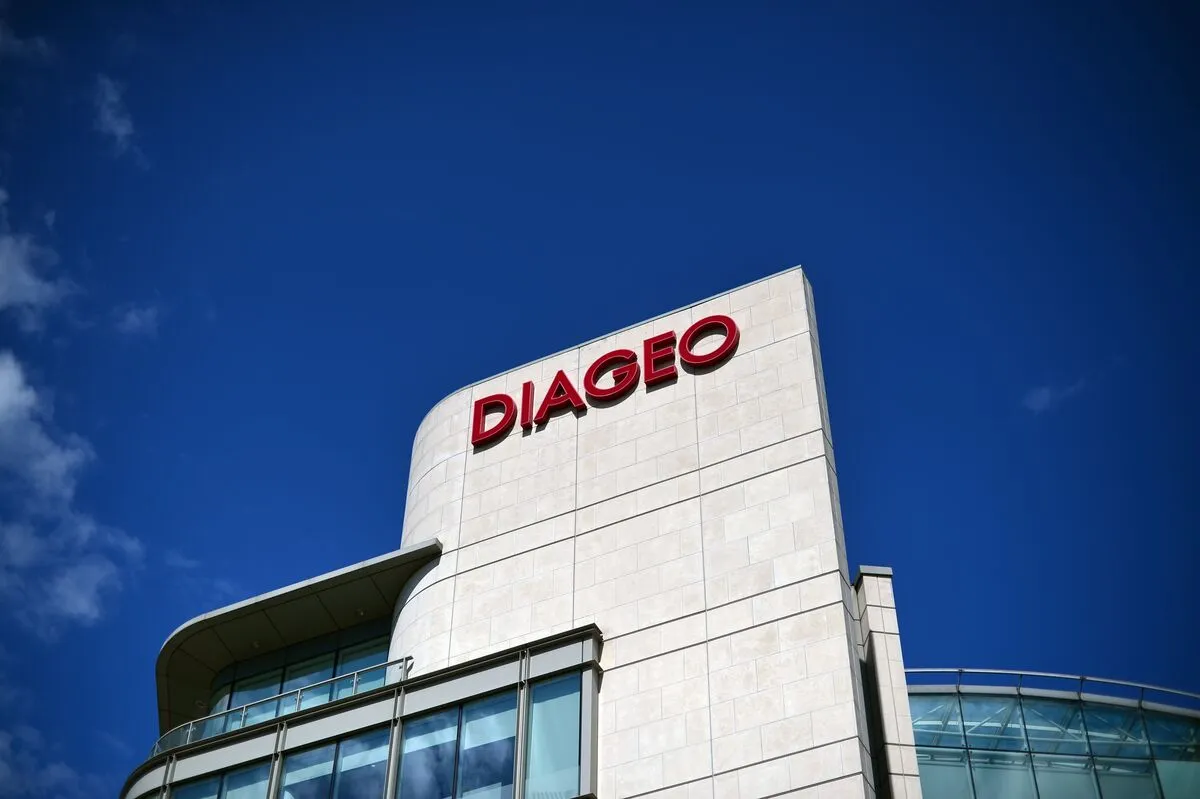
Amidst these challenges, Diageo also restructured its operations. This included ending a distribution agreement for several international spirit brands such as Johnnie Walker and Baileys.
This move is aligned with establishing a new, wholly-owned entity focused on the import and distribution of its brands across West and Central Africa.
Navigating Economic Volatility
The entry of Tolaram Group as the new majority shareholder of Guinness Nigeria isn’t just about a change of hands.
Known for its diverse investments in Nigeria, including a recent venture into a deep-sea port in Lagos, Tolaram’s acquisition underscores a commitment to deepen its roots in the Nigerian market.
This narrative is more than a business transaction; it reflects broader economic and strategic trends affecting multinational operations in volatile regions.
It underscores the delicate balance companies must strike in navigating economic instability while strategizing for long-term growth and sustainability.
More: Nigeria news in English, every day from The Rio Times.
This article was produced by The Rio Times’ automated newsroom system. How we use AI · Report an error · Editorial responsibility: Matthias Camenzind, Editor-in-Chief
Part of our ongoing coverage
Africa: The New Scramble — the great-power contest over the continent.