Costa Rica Drug Suspect Weighs US Handover
A businessman accused of running a cocaine network must now choose between a quick handover to US courts and a long legal fight in Costa Rica.

Security: Costa Rica
Guobin Tam Zhang, a 54-year-old Costa Rican businessman wanted by the United States on drug and money-laundering charges, was taken from prison to a San José court on Friday 20 November 2026 to decide whether to accept extradition without a long fight. His lawyer, Moisés Chinchilla, said the decision will not be known until next week.
Tam, born in China and a naturalised Costa Rican, is presumed innocent, and none of the allegations against him has been tested in court. Costa Rican authorities allege that he led a cocaine-trafficking organisation, and a US federal indictment accuses him of drug trafficking and money laundering.
Key Facts
- Who. Guobin Tam Zhang, 54, a Costa Rican businessman nicknamed “Chino”, arrested on a US extradition request.
- What. A Florida federal indictment alleges international drug trafficking and money laundering; he is presumed innocent.
- When. Arrested Friday 2 October; two-month detention ordered after arrest; his lawyer expects a decision next week.
- Power Index. Costa Rica ranks 9th of 14 in The Rio Times Latin America Power Index, with 35.5 points (November 2026 edition).
- As of. 20 November 2026, 18:15 GMT.
A businessman accused of running a cocaine network must now choose between a quick handover to US courts and a long legal fight in Costa Rica.
The case began with a confidential source’s tip in October 2025, and Costa Rica’s organised-crime prosecutors followed Tam from January 2026, and on 19 August 2026 a federal indictment, the formal criminal charge in the US system, was filed in the US District Court for the Middle District of Florida (case 3:26-cr-182). Costa Rican authorities allege that Tam led a criminal organisation dedicated to international cocaine trafficking, and they are investigating whether he negotiated directly with buyers for exports to the United States and Europe.
Prosecutors also investigate him separately for legitimación de capitales, the Spanish legal term for money laundering, allegedly through international transfers of crypto-assets. Tam, who also goes by the alias “Chino” and the name Juan Carlos Tam Cheong, was arrested on Friday 2 October 2026 at a property in Granadilla de Curridabat, in San José province.
Agents of the PCD, Costa Rica’s drug police, and prosecutors of the Ministerio Público, the public prosecutor’s office, took part. In the days after the arrest, the Tribunal Penal de San José, the capital’s criminal court, ordered two months of provisional detention while the extradition proceeds.
He is held in the maximum-security unit of La Reforma, a prison in Alajuela.
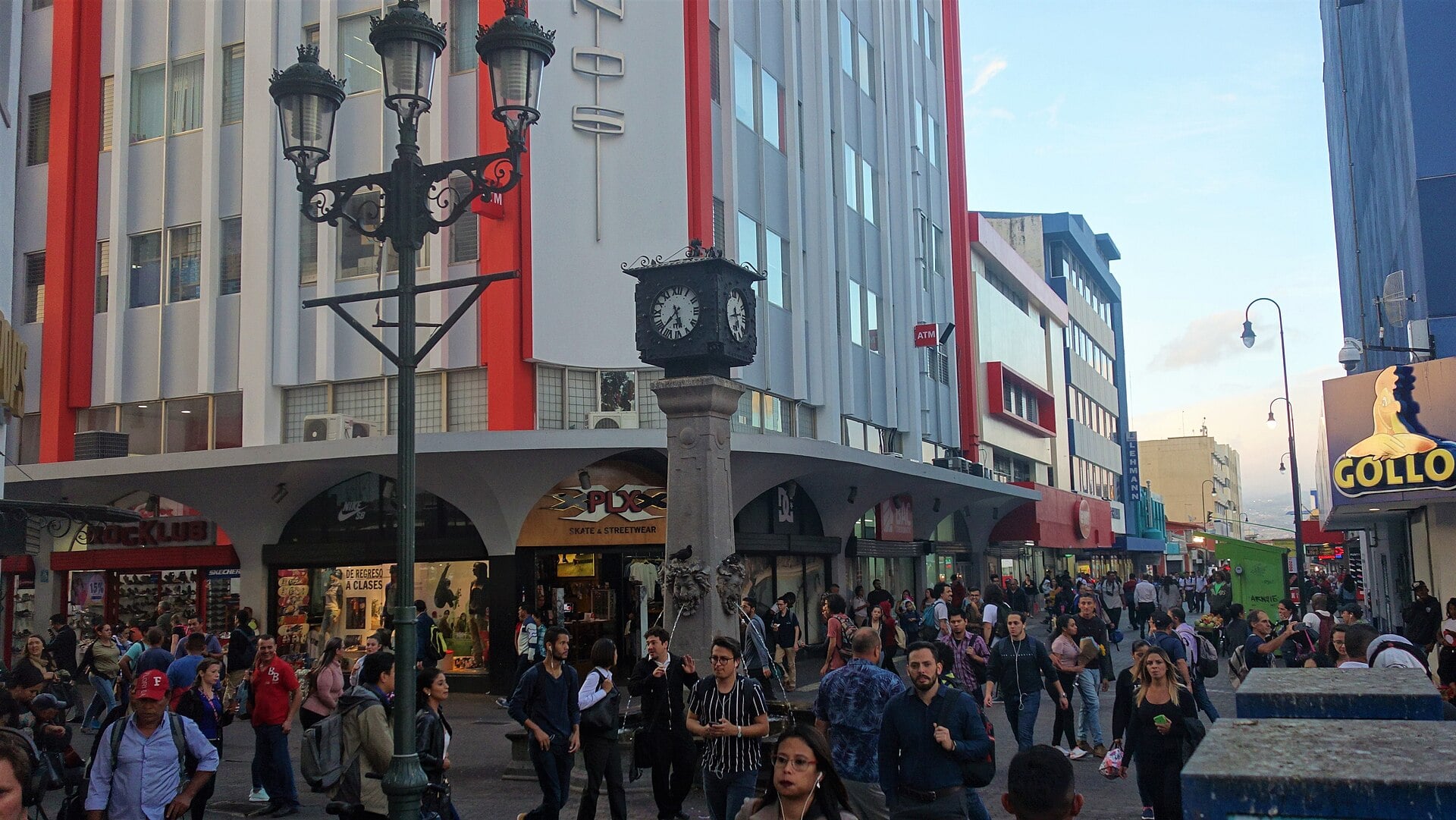
On Wednesday 7 October 2026 Tam met officials of the US Drug Enforcement Administration (DEA), the American federal drug agency, at the San José courts, and Chinchilla said the meeting concerned only the extradition. On 27 October Chinchilla said Tam’s side was seeking a second meeting with the DEA to explore voluntary extradition.
Chinchilla said that on Friday 20 November 2026 Tam was taken from La Reforma to the courts in Goicoechea, in San José’s II Circuito Judicial (a judicial district), for a meeting meant to decide whether he accepts voluntary extradition. Under that route he would waive the long ordinary court procedure.
The case has a political edge in Costa Rica, where a photo showing Tam beside Pilar Cisneros, a government communications adviser and former deputy, circulated from the 1 February election-night celebration of President Laura Fernández at the Hotel Aurola in San José. Cisneros said she does not know him, and Fernández said she has never met him.
Chinchilla argues that voluntary extradition is much faster and spares his client from exhausting long legal deadlines. He also said there is a related open case in Costa Rica and that the related Costa Rican case would have to be set aside.
The allegations remain unproved, and Tam is presumed innocent. The choice decides how long the case stays in Costa Rica.
A voluntary handover would skip the ordinary court procedure and open the way to a transfer to Florida, while the ordinary route would keep Tam in La Reforma through the deadlines his lawyer wants to avoid. The DEA took part in the arrest with the US Treasury Department, and a Florida court waits at the end of the process.
Whether Tam goes to the United States, when, what penalties the US charges carry and who the buyers were is not known. Until Chinchilla’s expected answer next week, the other clock is the two-month provisional detention ordered after his arrest on 2 October.
Frequently Asked Questions
What is voluntary extradition?
It means a suspect agrees to be sent to the requesting country and gives up the long ordinary court procedure. His lawyer says it is much faster.
Has Tam been convicted of anything?
No. He is presumed innocent, and the allegations from Costa Rican and US authorities have not been tested in court.
Why does a US court want him?
A federal indictment filed in Florida accuses him of international drug trafficking and money laundering. The DEA took part in the arrest, together with the US Treasury Department and Costa Rican police and prosecutors.
Sources: US District Court for the Middle District of Florida (case 3:26-cr-182); Costa Rica’s Ministerio Público; Policía de Control de Drogas; Tribunal Penal de San José; statements by lawyer Moisés Chinchilla, President Laura Fernández and Pilar Cisneros.
This article was produced by The Rio Times’ automated AI newsroom. Editorial responsibility: Matthias Camenzind, Publisher and Editor-in-Chief. The Rio Times also runs Ask Rio Times, which answers from 100,000+ of our own articles, the daily Latin America Power Map, and prediction-market odds on elections and markets.. How we use AI · Report an error