Colombia Coffee Output Drops 15% to 12.7 Million Bags

COLOMBIA · COFFEE
Key Facts
- —The country Colombia, the Andean nation famous for mild arabica coffee, sends about 40% of its coffee exports to the United States, its biggest customer.
- —What happened On Friday 9 October, the National Federation of Coffee Growers published output of 12.65 million bags for October 2025 to September 2026.
- —The drop That is 15% below the 14.87 million bags of the previous coffee year and the smallest annual crop since 2022-23.
- —Exports Coffee exports fell 12% to 11.78 million bags over the same twelve months, while September shipments rose 9%.
- —The US angle The United States bought 2.94 million bags worth about US$1.2 billion from January to August 2026, federation data show.
- —Still open Colombia’s weather agency has confirmed a strong El Niño, which threatens drier weather during the 2026-27 coffee year.
Colombia coffee output fell 15% in the twelve months to September, the National Federation of Coffee Growers reported on Friday 9 October. Growers produced 12.65 million 60-kilogram bags, down from 14.87 million bags a year earlier.
The drop matters most in the United States, which buys about 40% of Colombia’s coffee exports, more than any other country. A smaller crop means less of the mild arabica coffee that American importers buy from Colombia.
What the Coffee Federation Reported
The National Federation of Coffee Growers (FNC) is the growers’ association that buys, grades and exports coffee. It also manages Colombia’s national coffee fund and is led by general manager Germán Bahamón.
The federation counts its coffee year from October to September, so the figures released on Friday close the 2025-26 harvest year. They appear in its monthly production series, updated on 9 October.
September alone brought 1.21 million bags, 6% more than in September 2025. From January to September, Colombia coffee output reached about 8.9 million bags, 10% below the same months of 2025.
The 12.65 million bags are the smallest coffee-year total since 2022-23, when output fell to about 10.6 million bags. The previous year’s 14.87 million bags had been the biggest coffee-year crop since 1992-93.
Exports fell 12% to 11.78 million bags over the coffee year, Valora Analitik reported from the federation’s figures. The federation itself shipped 2.54 million bags, or 21.5% of the national total.
Bahamón said climate challenges, the productivity of coffee farms and the profitability of growing families will decide how well Colombia can meet foreign demand. Colombia also imported 1.61 million bags over twelve months and consumed about 2.32 million bags at home.
Why the United States Feels It
From January to August 2026, the United States took 2.94 million of the 7.28 million bags Colombia exported, or about 40%. The provisional value was about US$1.2 billion out of US$3.05 billion, according to the federation’s export database.
Canada came a distant second with about 525,000 bags in those eight months. In the full year 2025, US buyers took 5.28 million of the 13.14 million bags shipped.
That steady share makes Colombia coffee output a closely watched figure for US importers.
Colombian growers have faced other pressures this year, including a strong peso that cut their income in local currency. Output had already been running well below 2025 levels in the first half, as figures for May showed.
Lower Prices and a Port Charge Squeeze Growers
A smaller crop has not lifted prices. The International Coffee Organization’s New York indicator for Colombian mild arabica averaged 366.96 US cents a pound in September.
That was down from 396.22 cents in August and 407.09 cents a year earlier, according to the federation’s price tables.
In September, the federation’s base purchase price averaged 2.07 million pesos (about US$639) per 125-kilogram load of dried parchment coffee. That was about 30% below September 2025.
Dollar values for peso amounts use about 3,237 pesos to the US dollar on 10 October 2026.
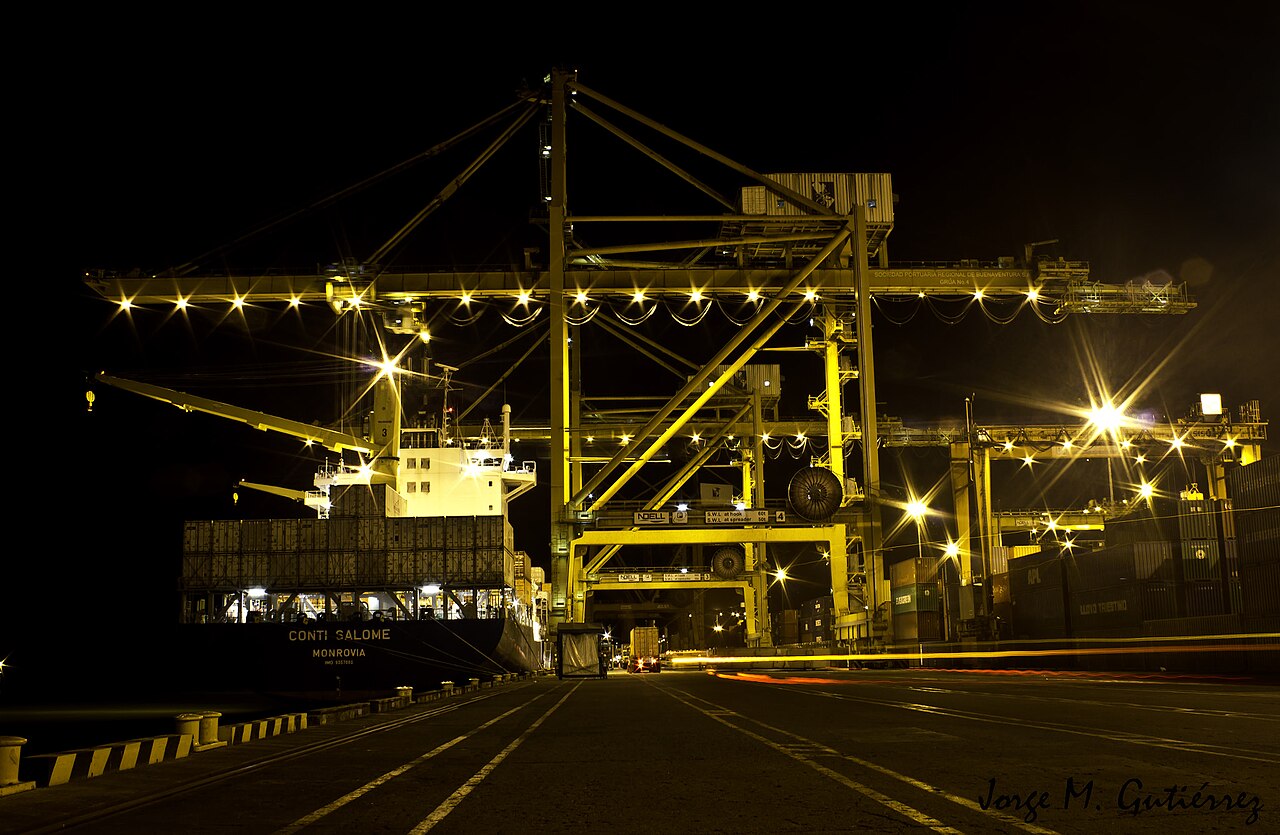
Exporters also face a new local charge in Buenaventura, the Pacific port city. A city decree of 26 August sets 4,235 pesos (about US$1.31) per tonne of cargo moved through the district, Portafolio reported.
The federation says 60.2% of Colombia’s coffee exports this year have passed through Buenaventura’s terminals. In a statement reported on Thursday 8 October, it said the charge puts pressure on export costs and asked for a review.
El Niño Hangs Over the New Harvest
Ideam, Colombia’s state weather and environmental studies institute, has confirmed that El Niño is present, with strong to very strong intensity. Director Andrés Herkrath gave the assessment, La República reported on Thursday 8 October.
El Niño is a warming of the Pacific Ocean that usually brings drier, hotter weather to the Andes. Earlier projections cited by the newspaper give an 83% chance that it stays strong to very strong at least until March 2027.
A Deloitte study, reported by Portafolio on Wednesday 7 October, sees El Niño cutting Colombia coffee output by 0.2% to 14.6% versus normal weather. Daniel Zaga, chief economist at Deloitte Spanish Latin America, called El Niño one of Colombia’s main short-term economic risks.
What It Means for You
For US coffee importers and roasters, Colombia delivered noticeably less coffee over the past year, and a dry spell could weigh on the next crop. Colombia still shipped more than 1.1 million bags in September, so supply has not stopped.
For consumers, prices of Colombian mild arabica fell in September despite the smaller harvest. The New York indicator was about 10% lower than a year earlier.
For investors who follow coffee-linked companies or commodity indexes, monthly data on Colombia coffee output are one supply signal among several. The next monthly figures should cover October, the first month of the 2026-27 coffee year.
What Is Not Known
Friday’s figures do not put a number on the 2026-27 harvest. How deeply El Niño will cut Colombia coffee output depends on rainfall in the coming months, and estimates vary widely.
It is not yet clear whether Buenaventura will change the cargo charge after the federation’s objection. It is also unclear whether the smaller Colombian crop will feed through to the prices US shoppers pay.
More: Colombia news in English, every day from The Rio Times.
Frequently Asked Questions
How much coffee did Colombia produce in the latest coffee year?
Colombia produced 12.65 million 60-kilogram bags between October 2025 and September 2026, according to the National Federation of Coffee Growers. That was 15% less than the 14.87 million bags of the previous coffee year.
How much Colombian coffee goes to the United States?
About 40% of Colombia’s coffee exports go to the United States, its largest customer. From January to August 2026, US buyers took 2.94 million bags worth about US$1.2 billion.
Why does El Niño matter for Colombian coffee?
El Niño usually brings drier and hotter weather to Colombia’s Andean coffee regions, which can reduce yields and quality. Colombia’s weather agency Ideam has confirmed a strong El Niño, and a Deloitte study put possible coffee losses at up to 14.6%.
What is a 60-kilogram bag of coffee?
It is the standard unit for green coffee in world trade, equal to about 132 lb. Colombia coffee output and exports are reported in these bags.
Sources: Federación Nacional de Cafeteros, production and price series (updated 9 October 2026), 9 October 2026; Federación Nacional de Cafeteros, statistics page, 9 October 2026; Federación Nacional de Cafeteros, export database (to August 2026), 29 September 2026; Valora Analitik, 9 October 2026; La República, 8 October 2026; Portafolio (Buenaventura charge), 8 October 2026; Portafolio (El Niño and coffee), 7 October 2026.
This article was produced by The Rio Times’ automated newsroom system. How we use AI · Report an error · Editorial responsibility: Matthias Camenzind, Editor-in-Chief