Colombia’s Strong Peso Is Quietly Squeezing Its Coffee Growers
Markets
Key Facts
—The move. The peso has strengthened about 22% since early 2025, one of Latin America’s best-performing currencies.
—The level. The exchange rate fell from about 4,308 pesos per dollar in January 2025 to near 3,334 by early July 2026, a six-year low for the dollar.
—Who hurts. Coffee, flowers, bananas, palm oil, sugar and avocado exporters earn fewer pesos for each dollar of sales.
—The coffee math. Think tank ANIF says each 100-peso move in the rate shifts coffee export value by about 34 billion pesos ($10 million).
—The ask. Trade group Analdex has urged the government to help cut freight, labour and energy costs.
The Colombia strong peso story looks like a success on paper, yet for the farmers who sell coffee and flowers abroad it is turning into a quiet income cut. Exporters warn that the fast-rising currency is eroding their competitiveness just as costs climb.
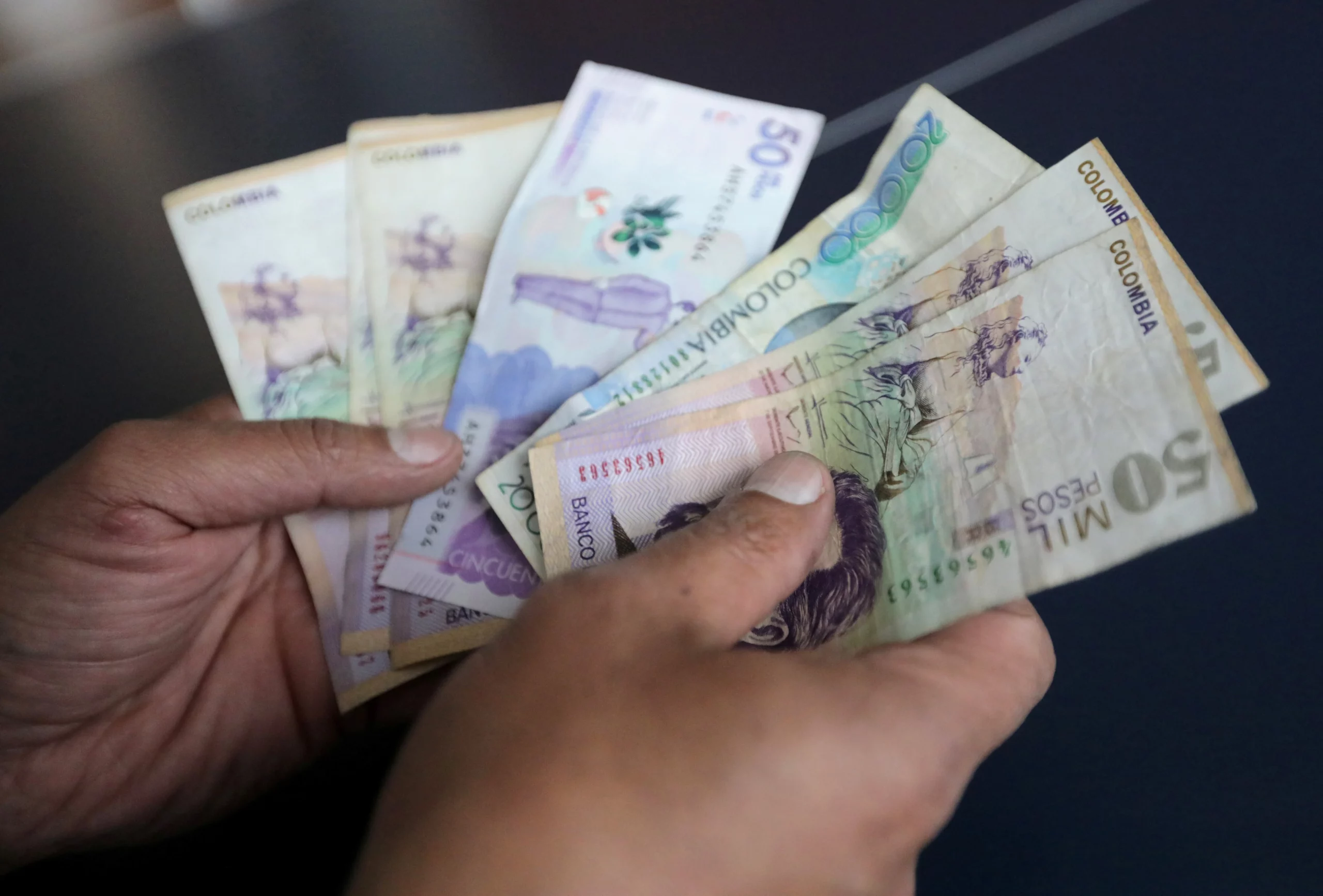
The peso has appreciated roughly 22% against the dollar since the start of 2025, one of the region’s strongest performances. That is a boon for importers and travellers, but a headache for anyone paid in dollars who spends in pesos.
Why the Colombia strong peso hurts exporters
The mechanism is simple. Exports are priced in dollars, so when the peso strengthens, each dollar of sales converts into fewer pesos, even if the physical volume shipped does not change.
The pain lands hardest on farm exports, a core engine of the economy and a big source of rural jobs. Coffee, flowers, bananas, palm oil, sugar and avocado all sit in the firing line.
The think tank ANIF put numbers on the coffee case. Holding volume steady, it estimates that every 100-peso move in the exchange rate shifts the value of coffee exports by about 34 billion pesos, roughly 10 million US dollars.
The gap is already showing up in real income. Between September 2025 and May 2026, coffee-sector earnings ran below what they would have been at 2025 exchange rates, a shortfall ANIF pegs in the range of 1.4 to 1.6 trillion pesos.
Costs are rising as income falls
The currency squeeze arrives alongside a jump in operating costs. The export trade group Analdex says the sector has absorbed a near-30% rise in domestic freight this year, on top of higher labour and air-freight bills.
Analdex has appealed to the government for help, singling out a freight-cost benchmark it says acts as a regulatory floor rather than a guide. It wants transport efficiencies to feed through into lower tariffs.
Part of the peso’s strength is external, tied to a weaker dollar worldwide. Part is local, driven by Colombia’s wide interest-rate gap with the United States and by government debt operations that brought dollars into the market.
The rate gap is stark. Colombia’s central bank lifted its benchmark to 12% in late June, while the American Federal Reserve holds near 3.5 to 3.75%, a spread that rewards investors for holding pesos.
The stakes are more than corporate margins. ANIF notes the coffee chain alone supports close to 2.5 million formal jobs, so a prolonged income squeeze risks rural employment as well as company profits.
There is an irony worth naming. The same strong peso that flatters Colombia’s debt-to-output ratio, by inflating the dollar value of its economy, is the force squeezing the rural exporters who earn those dollars in the first place.
For a foreign investor, the read is that Colombia’s farm exporters can no longer lean on a weak currency for an edge. ANIF’s prescription is productivity, processing and sustainable certifications to add value that does not depend on the exchange rate.
How much has the Colombia strong peso risen?
The peso has appreciated about 22% against the dollar since early 2025. The exchange rate fell from around 4,308 pesos per dollar in January 2025 to near 3,334 by early July 2026, the fewest pesos per dollar in roughly six years.
Which Colombian exporters are hit hardest?
Agricultural exporters feel it most, including coffee, flowers, bananas, palm oil, sugar and avocado. They are paid in dollars but pay their costs in pesos, so a stronger peso trims their income even when export volumes hold up.
What do exporters want the government to do?
The trade group Analdex has asked the government to help lower costs, particularly freight, labour and energy. It argues a freight-cost benchmark is being applied as a regulatory floor and should instead be a technical reference.
Frequently Asked Questions
How much has the Colombian peso strengthened recently?
The peso has appreciated about 22% against the dollar since early 2025, with the exchange rate falling from around 4,308 pesos per dollar in January 2025 to near 3,334 by early July 2026.
Which Colombian exporters are being hurt by the strong peso?
Agricultural exporters of coffee, flowers, bananas, palm oil, sugar and avocado are hit hardest because they earn in dollars but pay costs in pesos.
What are exporters asking the government to do?
The trade group Analdex has urged the government to help cut freight, labour and energy costs, arguing that a freight-cost benchmark is being used as a regulatory floor instead of a technical reference.
In depth
Read More from The Rio Times