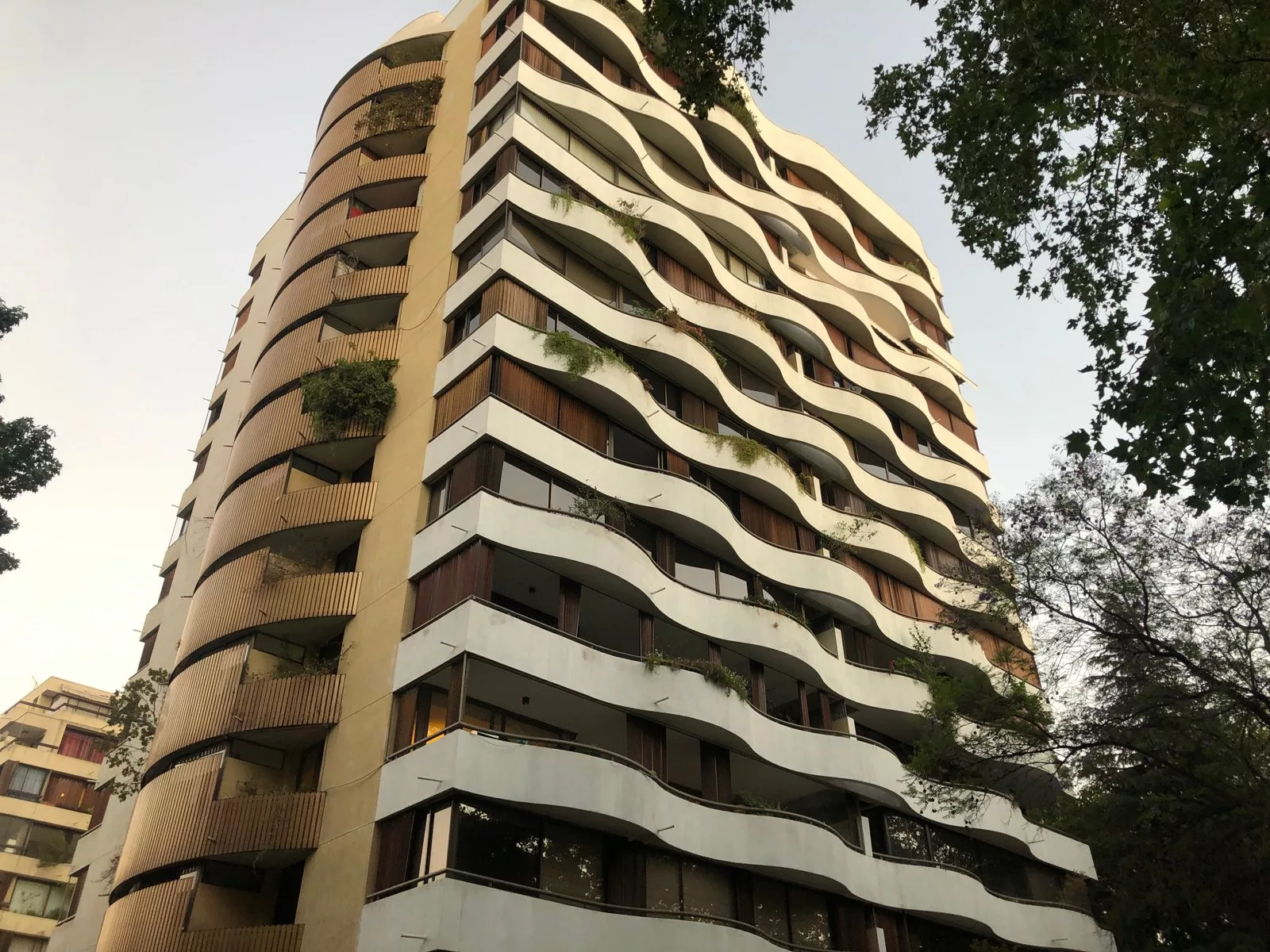
The real test is whether Chile can turn a temporary stimulus into a durable housing market. It also tests whether buyers who stretch for a 6,000 UF home can handle the debt when the subsidy window closes.
If you’ve been watching Chile’s housing market from abroad, you know the struggle. Prices keep climbing, and the down payment alone can feel like a wall.
Chile’s mortgage subsidy program is set to be extended and expanded. It is designed to knock that wall down, at least for buyers of new homes.
The government submitted a bill to keep the subsidy and the Fogaes guarantee running until May 31, 2028. It also boosts the number of available subsidies from 50,000 to 80,000.
The bill raises the maximum home value you can buy with the benefit. That value goes from 4,000 UF (about US$164,000) to 6,000 UF (about US$245,000).
It also cuts the subsidized interest rate from roughly 4% to about 3%. In some cases, the required down payment could drop from 20% to 10%.
That depends on your credit profile. This is a significant shift for anyone trying to get a foothold in the Chilean property market.
Key Facts
- Extended deadline Chile’s government has submitted a bill to extend the mortgage-rate subsidy and Fogaes guarantee for new-home buyers until May 31, 2028.
- More subsidies The number of subsidies would rise from 50,000 to 80,000.
- Higher cap The eligible home-value limit would increase from 4,000 UF (about US$164,000) to 6,000 UF (about US$245,000).
- Lower rate The subsidized mortgage rate would drop from roughly 4% to about 3%, reducing monthly payments.
- Smaller down payment In some cases, the required down payment could fall from 20% to 10%, subject to credit evaluation.
- New-home focus The benefit applies only to purchases of newly built homes, not resale properties.
What Are UF and Fogaes?
UF stands for Unidad de Fomento, a Chilean inflation-adjusted unit of account. It’s not a currency you hold in your pocket.
It’s a reference value that banks, landlords, and developers use to price everything from mortgages to rent. The UF is recalculated daily based on the previous month’s inflation.
When prices rise, the UF rises with them. That means a 6,000 UF home will cost more in Chilean pesos over time.
Your loan is also denominated in UF, so your debt adjusts with inflation. For expats and investors, this is a key detail.
A UF-denominated mortgage protects the lender from inflation. It can make your monthly payment less predictable in peso terms.
Fogaes, meanwhile, is the Fondo de Garantía para Especiales, a state-backed guarantee fund. It acts as a safety net for banks.
If you default on your mortgage, Fogaes covers part of the loss. That makes lenders more willing to approve loans with lower down payments.
In practice, that’s how the government can push the required down payment down from 20% to 10% without banks running for the hills. The guarantee doesn’t forgive your debt.
It just reduces the lender’s risk, which in turn lowers the barrier for you to get approved.
Why This Matters for You
If you’re living in Chile as an expat or investing in Latin American real estate, this bill is worth your attention. The expanded subsidy directly affects affordability for new homes in the mid-range segment.
That’s the kind of property a young professional or a small family might buy. With the cap raised to 6,000 UF (about US$245,000), you’re no longer limited to small apartments on the outskirts.
You can now target larger units in better-connected neighborhoods. With the subsidized rate dropping to around 3%, the monthly dividend becomes noticeably lighter.
Chileans call the mortgage payment the dividend. For a 5,000 UF home, that rate cut could save you several hundred US dollars per year.
The exact amount depends on your loan term.
But there’s a catch. The subsidy is only for new homes, not resale properties.
That’s a deliberate policy choice to stimulate construction and create jobs. It also means the benefit is tied to the developer’s pricing.
If builders know buyers have a bigger subsidy, they may have less incentive to keep prices down. Also, the 10% down payment option is not guaranteed.
It’s subject to credit evaluation, so your personal financial history will still play a big role. And remember, the UF adjusts with inflation.
Even a fixed-rate mortgage in UF terms can see your peso payment rise if inflation spikes.
The Bigger Picture
Chile’s housing market has been under pressure for years. High construction costs, tight credit, and a slow economic recovery have kept many would-be buyers on the sidelines.
This bill is an attempt to jump-start demand, but it’s also a political move. With elections on the horizon, the government wants to show it’s doing something about housing affordability.
The extension to 2028 gives the policy a long runway. It also means the subsidy becomes a permanent feature of the market, not a temporary fix.
That could be good for stability. It also raises the question of what happens when the program eventually ends.
For investors, the signal is clearer. If the bill passes, new-home construction in the mid-range segment is likely to get a boost.
Developers will have a stronger pool of qualified buyers. That could shorten sales cycles and reduce inventory risk.
For expats considering a purchase, the timing matters. If you’re planning to buy in the next couple of years, this subsidy could be the difference between a 20% down payment and a 10% one.
But don’t treat the 3% rate as a permanent fixture. It’s a subsidized rate, not a market rate, and it comes with conditions.
You’ll still need to meet the bank’s income requirements. The property must also fall within the UF cap.
What to Watch Next
The bill is now in Congress, and it’s not a done deal. Opposition parties have already raised concerns about the cost.
Some economists argue that subsidizing demand without addressing supply will just push prices higher. The government counters that the higher cap and lower rate will help middle-class families who were previously priced out.
The final version could change. The cap might be adjusted, or the down payment reduction could be more tightly restricted.
If you’re planning a purchase, don’t lock in your budget based on the bill as submitted. Wait for the final text.
One more thing to keep in mind: the subsidy is for new homes only, and the clock is ticking. Even if the bill passes quickly, the current program is still running.
If you qualify now, you don’t have to wait. But if you’re aiming for a property above 4,000 UF (about US$164,000), you’ll need to wait for the new cap to take effect.
That could be months away, depending on the legislative calendar. Either way, the direction is clear.
Chile is doubling down on making new homes more accessible. That’s a trend worth following whether you’re buying, selling, or just watching from the sidelines.
More: Chile news in English, every day from The Rio Times.
Sources: Chile Ministry of Finance; BioBío; La Tercera, August 2026.
Frequently Asked Questions
What is the UF in Chile?
The UF, or Unidad de Fomento, is an inflation-adjusted unit used to price mortgages, rents, and contracts. It’s recalculated daily based on the previous month’s inflation.
For example, 6,000 UF is roughly US$245,000, but the exact peso amount changes daily.
How does the Fogaes guarantee work?
Fogaes is a state fund that guarantees part of your mortgage to the bank. If you default, the fund covers a portion of the lender’s loss.
This reduces the bank’s risk, which is why they can accept a lower down payment. That could be 10% instead of 20% under the proposed bill.
Who qualifies for the subsidized mortgage rate?
The subsidy is for buyers of new homes valued up to 6,000 UF (about US$245,000) under the proposed bill. You must apply through participating banks.
Approval depends on your credit history, income, and the bank’s risk assessment. The 10% down payment option is not automatic.
It’s subject to credit evaluation.
This article was produced by The Rio Times’ automated AI newsroom. Editorial responsibility: Matthias Camenzind, Publisher and Editor-in-Chief. The Rio Times also runs Ask Rio Times, which answers from 100,000+ of our own articles, the daily Latin America Power Map, and prediction-market odds on elections and markets.. How we use AI · Report an error