Chile Keeps Bird Flu Alert in Los Ríos
A southern Chilean region keeps its bird flu alert as wild swans die and two backyard flocks are culled, while the update lists no commercial farm.

Health: Chile
Chile’s disaster agency has kept a preventive alert in force in the southern Los Ríos Region, where bird flu has killed 282 wild birds since April. Senapred, the National Service for Disaster Prevention and Response, says the alert stays until conditions allow it to be lifted.
The virus is H5N1, a highly pathogenic strain of avian influenza, and it has also reached backyard flocks in two rural spots. For US readers the stake is trade: the United States took the most poultry products from Chile by volume in 2025.
Key Facts
- Who. Senapred, Chile’s disaster-response agency, and the SAG, its farm and livestock service.
- What. H5N1 alert stays: 282 wild birds dead since April, 23 positive, 53 backyard birds culled.
- Where. Los Ríos Region, southern Chile: a Valdivia wetland sanctuary, plus Corral and Futrono backyard flocks.
- Power Index. Chile ranks 3rd of 14 in The Rio Times Latin America Power Index, with 62.9 points (November 2026 edition).
- As of. 21 November 2026, 15:00 GMT.
A southern Chilean region keeps its bird flu alert as wild swans die and two backyard flocks are culled, while the update lists no commercial farm.
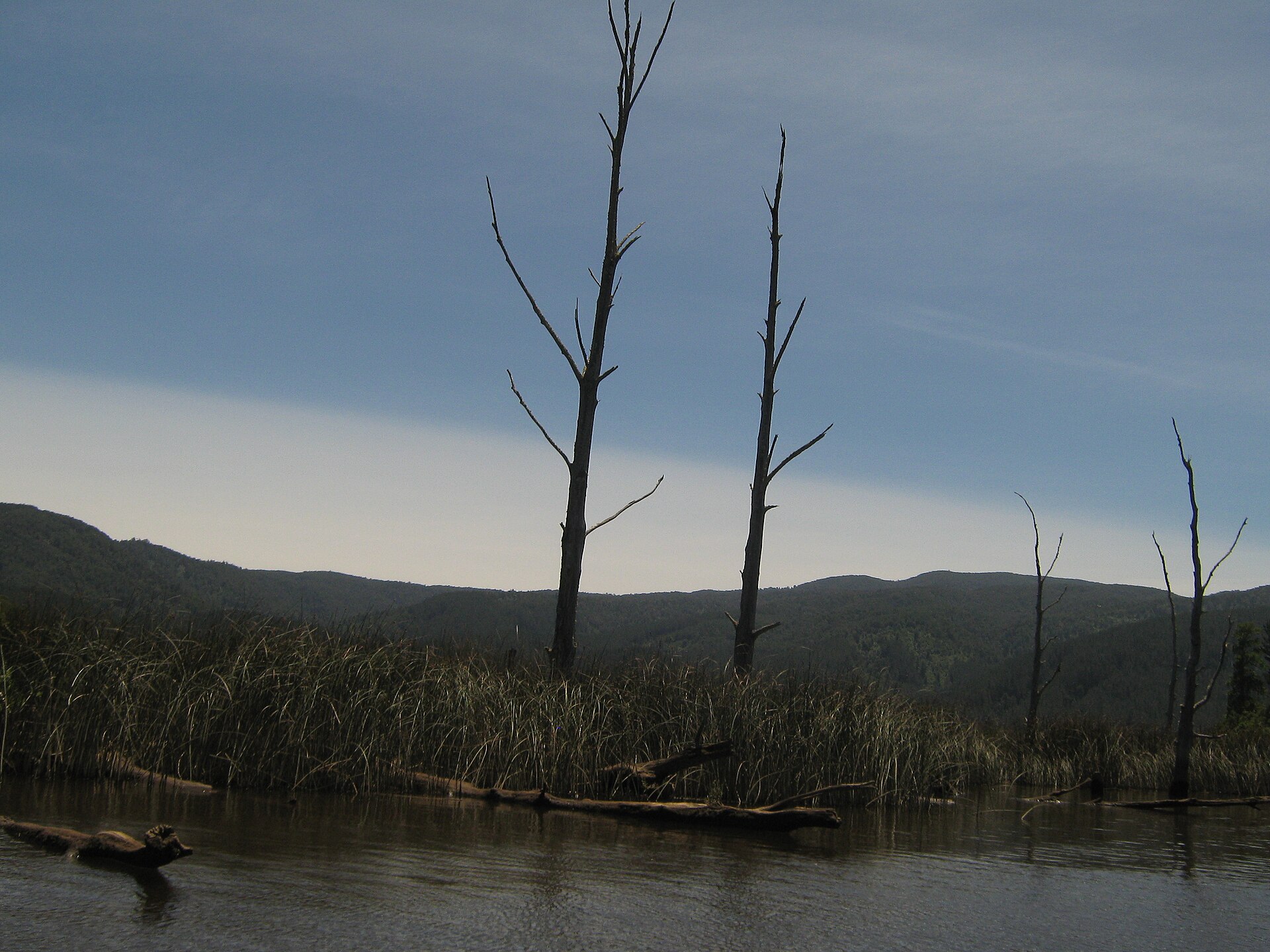
The alert has been in force since 13 April, and it rests on cases that the SAG, Chile’s farm and livestock service, confirmed in black-necked swans at the Carlos Anwandter Nature Sanctuary. The sanctuary is a protected wetland on the Río Cruces near the city of Valdivia.
In the first weeks the SAG drew a control zone around the sanctuary and two kilometres beyond it, across the communes of Valdivia and Mariquina (a commune is a municipality). It sampled hundreds of wild and backyard birds and found the virus only in swans and one duck, and its checks on more than 100 public tip-offs came back negative.
The SAG’s latest count, relayed in Senapred’s update, is 282 dead wild birds between April and October 2026. Of the 23 positive cases, 21 are black-necked swans, one is a mallard and one is a Humboldt pelican, and one outbreak in wild birds is still active at the sanctuary.
Two zones remain under sanitary control, Huape in the commune of Corral and Nontuelá in the commune of Futrono. After outbreaks were confirmed in both, 53 backyard birds were culled, 26 at Huape and 27 at Nontuelá, out of 3,359 birds counted in the censuses.
The SAG announced the Huape case on Monday 7 September, a flock of 26 hens, and set a three-kilometre control zone for at least four weeks of census and clinical checks. Rodrigo Bahamonde, the agriculture ministry’s regional representative, told owners to keep birds in closed coops and to give them no water from wetlands or surface sources.
Inspectors have found no sign of the disease in the neighbouring zones. Senapred’s update lists 19 premises with 583 birds in the protection zone and five premises with 173 birds in the surveillance zone, with no clinical signs in either.
The poultry trade is the part that reaches American buyers. In 2025 Chile sold poultry products to 43 countries, and the SAG puts the United States first with 38,370 tonnes, ahead of Mexico with 24,034 tonnes and Puerto Rico with 21,929 tonnes.
On 24 March, after an outbreak at a commercial laying farm in the Santiago region, Chile suspended its own export certification, under international animal-health rules. The SAG says it resumed shipments to the United States, Mexico, Puerto Rico, Canada and the United Kingdom in under a week, using zones that separate affected areas from export areas.
On Wednesday 24 June the SAG declared the country free again of the disease in commercial poultry, after the last of three commercial outbreaks was closed in the Metropolitan, Maule and Araucanía regions. Agriculture Minister Jaime Campos warned that the virus still circulates in wild birds, and that migratory birds are its main carriers.
The Los Ríos update lists wild birds and backyard flocks, and no commercial farm. That keeps these cases outside the export chain for now, even though the SAG says the national emergency stays active while wild birds carry the virus.
Senapred has not said when the alert will end, and no date has been given for lifting the Huape and Nontuelá control zones. The notices on the Los Ríos outbreaks mention no human case, and the SAG tells anyone who finds a dead bird not to touch it and to call the service.
Frequently Asked Questions
Does the Los Ríos outbreak threaten Chile’s poultry exports?
The Los Ríos update lists only wild birds and backyard flocks, and the SAG regained its status as free of the disease in commercial poultry in June. A new case on a commercial farm would change that.
What should people do if they find a dead bird?
The SAG says not to touch or move the bird and to report it to the service at once. Owners should keep their own birds in closed coops.
Why does the alert remain in force?
The virus still circulates in wild birds, and one outbreak is active at the Carlos Anwandter sanctuary. Senapred says it will hold the alert until conditions allow it to end.
Sources
Senapred, Los Ríos early alert · SAG, avian influenza · SAG, Corral case · SAG, Los Ríos surveillance · SAG, export reopening · SAG, free-status declaration
Connected Coverage
Chile news · Uruguay Halts Brazil Poultry Over Newcastle Disease · Chile Senate Rejects Farm Budget on a Tie
This article was produced by The Rio Times’ automated AI newsroom. Editorial responsibility: Matthias Camenzind, Publisher and Editor-in-Chief. The Rio Times also runs Ask Rio Times, which answers from 100,000+ of our own articles, the daily Latin America Power Map, and prediction-market odds on elections and markets.. How we use AI · Report an error