IBOV 185,229.17 ▼ 0.41% IPSA 11,381.18 ▲ 1.30% IPC MEX 63,375.93 ▼ 0.78% MERVAL 3,021,926 ▼ 1.29% COLCAP 2,548.22 ▲ 1.05% BVL PERÚ 60,023.65 ▼ 1.13% USD/BRL5.14▼ 0.01% USD/MXN17.22▼ 0.01% USD/CLP959.00▼ 0.31% USD/COP3,177▲ 0.06% USD/PEN3.37▼ 0.01% USD/ARS1,514— 0.00% USD/UYU40.16▲ 2.99% USD/PYG5,906▲ 3.00% USD/BOB9.95▲ 1.26% USD/DOP58.83▲ 2.40% USD/CRC444.45▲ 2.50% USD/GTQ7.63▲ 3.11% USD/HNL26.85▲ 3.16% USD/NIO36.62— 0.00% USD/VES847.44▼ 0.13% USD/PAB1.00— 0.00% USD/BZD2.00— 0.00% USD/JMD 157.28 — 0.00% USD/TTD6.75▲ 2.45% EUR/BRL5.91▲ 0.04% BRENT 88.88 ▼ 0.03% WTI 83.11 ▼ 0.11% IRON ORE 161.91 — — COPPER 6.61 ▲ 0.03% GOLD 4,461 ▲ 1.78% SILVER 65.59 ▲ 1.26% SOY 1,184 ▲ 3.20% CORN 480.50 ▲ 10.02% WHEAT 655.00 ▲ 3.93% COFFEE 317.25 ▼ 5.51% SUGAR 16.43 ▼ 1.79% ORANGE JUICE 138.55 ▼ 0.47% COTTON 85.03 ▲ 2.33% COCOA 5,719 ▲ 3.18% BEEF 223.60 ▼ 3.93% CATTLE 339.10 ▼ 3.16% LITHIUM 75.20 ▲ 1.47% PETR4 41.64 ▼ 0.05% VALE3 72.97 ▲ 0.83% ITUB4 38.60 ▼ 1.03% BBDC4 16.85 ▲ 0.36% ABEV3 14.89 ▼ 0.80% BBAS3 19.37 ▲ 0.47% B3SA3 14.26 ▼ 0.21% WEGE3 47.59 ▲ 0.49% PRIO3 59.14 ▼ 0.19% SUZB3 41.33 ▲ 2.35% RENT3 34.68 ▼ 0.09% AZZA3 15.89 ▼ 2.63% CSAN3 3.22 ▼ 1.83% RAIZ4 0.25 — 0.00% PCAR3 2.75 ▼ 0.36% GMAT3 3.65 ▼ 1.08% PSSA3 48.13 ▼ 0.54% CVCB3 1.33 ▼ 2.92% POSI3 3.36 ▲ 2.44% SLCE3 13.34 ▲ 0.30% NATU3 8.14 ▼ 0.73% IBOV 185,229.17 ▼ 0.41% IPSA 11,381.18 ▲ 1.30% IPC MEX 63,375.93 ▼ 0.78% MERVAL 3,021,926 ▼ 1.29% COLCAP 2,548.22 ▲ 1.05% BVL PERÚ 60,023.65 ▼ 1.13% USD/BRL 5.16 ▲ 0.01% USD/MXN 17.06 ▼ 0.24% USD/CLP 913.98 ▲ 0.04% USD/COP 3,140 ▲ 0.03% USD/PEN 3.36 ▼ 0.66% USD/ARS 1,493 ▲ 0.10% USD/UYU 40.27 ▲ 1.24% USD/PYG 5,939 ▲ 1.68% USD/BOB 11.64 ▼ 0.76% USD/DOP 58.34 ▲ 1.25% USD/CRC 445.92 ▲ 0.89% USD/GTQ 7.62 ▲ 2.21% USD/HNL 26.79 ▲ 1.57% USD/NIO 36.62 ▲ 0.69% USD/VES 762.44 ▼ 0.13% USD/PAB 1.00 — 0.00% USD/BZD 2.00 — 0.00% USD/JMD 157.28 — 0.00% USD/TTD 6.70 ▲ 0.61% EUR/BRL 5.95 ▲ 1.01% BRENT 88.88 ▼ 0.03% WTI 83.11 ▼ 0.11% IRON ORE 161.91 — — COPPER 6.61 ▲ 0.03% GOLD 4,461 ▲ 1.78% SILVER 65.59 ▲ 1.26% SOY 1,184 ▲ 3.20% CORN 480.50 ▲ 10.02% WHEAT 655.00 ▲ 3.93% COFFEE 317.25 ▼ 5.51% SUGAR 16.43 ▼ 1.79% ORANGE JUICE 138.55 ▼ 0.47% COTTON 85.03 ▲ 2.33% COCOA 5,719 ▲ 3.18% BEEF 223.60 ▼ 3.93% CATTLE 339.10 ▼ 3.16% LITHIUM 75.20 ▲ 1.47% PETR4 41.64 ▼ 0.05% VALE3 72.97 ▲ 0.83% ITUB4 38.60 ▼ 1.03% BBDC4 16.85 ▲ 0.36% ABEV3 14.89 ▼ 0.80% BBAS3 19.37 ▲ 0.47% B3SA3 14.26 ▼ 0.21% WEGE3 47.59 ▲ 0.49% PRIO3 59.14 ▼ 0.19% SUZB3 41.33 ▲ 2.35% RENT3 34.68 ▼ 0.09% AZZA3 15.89 ▼ 2.63% CSAN3 3.22 ▼ 1.83% RAIZ4 0.25 — 0.00% PCAR3 2.75 ▼ 0.36% GMAT3 3.65 ▼ 1.08% PSSA3 48.13 ▼ 0.54% CVCB3 1.33 ▼ 2.92% POSI3 3.36 ▲ 2.44% SLCE3 13.34 ▲ 0.30% NATU3 8.14 ▼ 0.73%
since 2009
Sunday, September 20, 2026

Chile Fuel Prices to Jump 54% as Kast Ends Subsidy

By · March 24, 2026 · 3 min read

The LatAm Brief

One email, every weekday morning. What moved in Latin American markets, politics and expat life.

Yesterday’s subject line: “Bolivia's 83% fuel shock, hours after the IMF loan”

Free. We send a confirmation link first — nothing arrives until you click it. Unsubscribe with one click in any edition. If you stop opening us for 30 days we stop sending by ourselves, as we assume the interest is no longer there. See our privacy policy. We never share your email.

Key Points

Chile will raise fuel prices by up to 54% on Thursday, with gasoline jumping 44% and diesel surging 54%, as the Kast government invokes an emergency clause in the MEPCO stabilization mechanism.
The government has been spending $140 million per week to subsidize fuel prices and says it can no longer afford the cost, blaming the previous administration for the fiscal shortfall.
Banco Itaú forecasts consumer inflation of 0.87% in March and 1.1% in April, while one-year breakeven inflation expectations have surged to 4.26%, well above the central bank’s 3% target.
President Kast’s approval rating has already dropped six points to 51% in just one week, and Chile’s national trucking confederation is evaluating protest actions.

The Chile fuel price shock that markets feared has arrived. The Kast government announced Monday night that gasoline and diesel prices will rise by as much as 54% starting Thursday, ending weeks of speculation about the global oil crisis reaching consumers, The Rio Times, the Latin American financial news outlet, reports.

Finance Minister Jorge Quiroz delivered the news in pre-recorded primetime interviews, invoking an emergency escape clause within the MEPCO fuel stabilization mechanism. Wholesale 93-octane gasoline will climb roughly 44%, or CLP$370 ($0.41) per liter, while diesel will surge approximately 54%, or CLP$580 ($0.64) per liter.

Why Chile Fuel Prices Are Rising Now

The MEPCO system, created in 2014, normally smooths international oil fluctuations by adjusting fuel taxes counter-cyclically. But the mechanism has been hemorrhaging money since oil surged past $100 per barrel following the Iran conflict. Quiroz said the government has been spending $140 million per week to maintain artificially low prices.
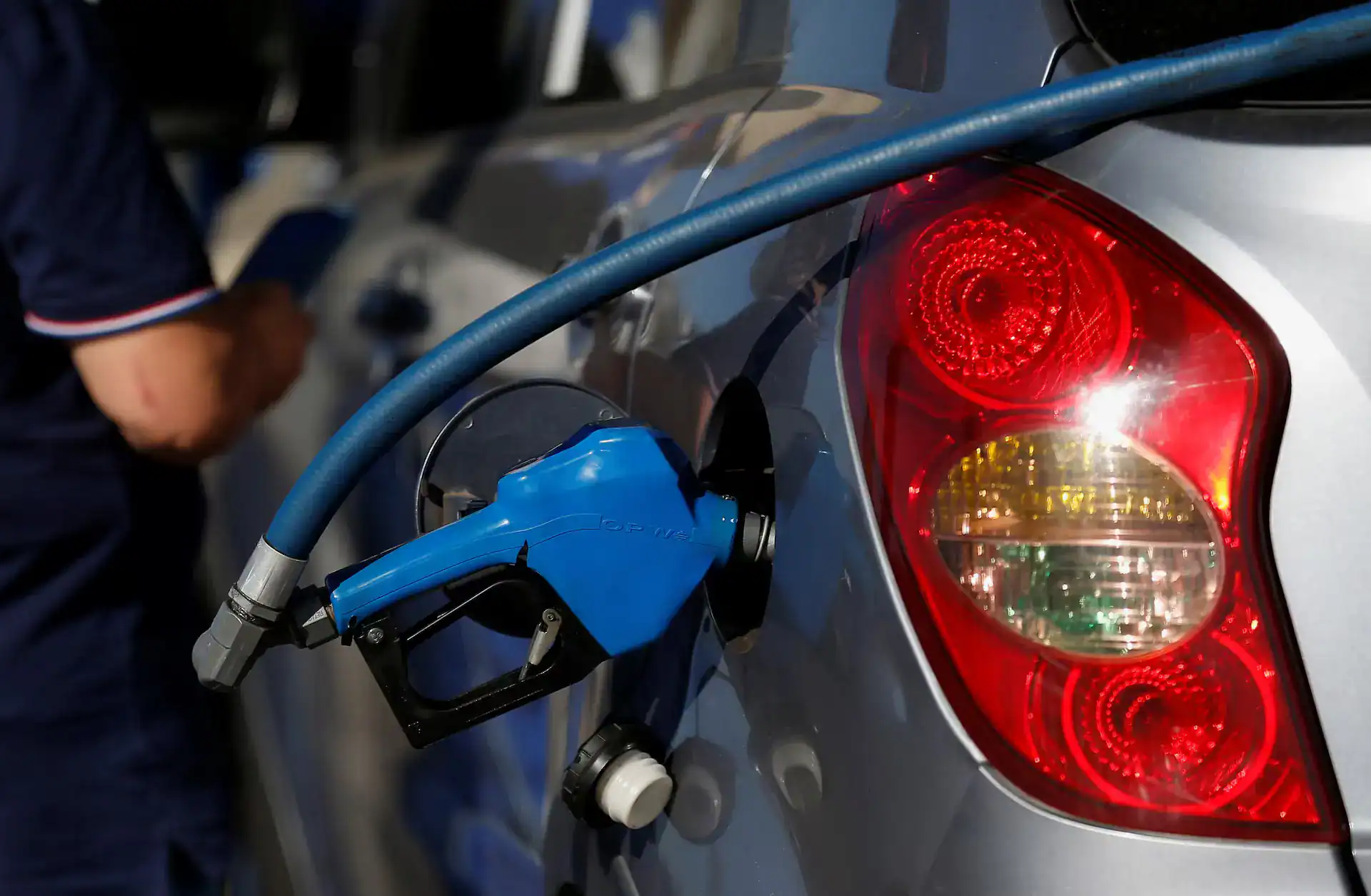
Chile Fuel Prices to Jump 54% as Kast Ends Subsidy.
One-stop reference
Company Intelligence
Every listed company in Latin America — financials, ownership and structure for 1,450+ companies across 26 exchanges, in one place.
Browse the directory →
RT
Ask Rio Times
17 years of Latin America reporting, on demand.
Open the full Ask Rio Times →

The minister blamed the previous administration for leaving insufficient fiscal reserves. Under the emergency decree, the MEPCO calculation window shifts to four weeks, transmitting international prices more rapidly to consumers before returning to its normal band.

Inflation Expectations and the Chile Fuel Price Impact

The inflation consequences are already visible in financial markets. Chile’s one-year breakeven inflation indicator jumped 25 basis points on Tuesday to 4.26%, its highest since February 2025 and well above the central bank’s 3% target. Banco Itaú now projects consumer price increases of 0.87% in March and 1.1% in April.

Andrés Pérez, Itaú’s chief Latin American economist, warned that the speed of the adjustment will accelerate pass-through into transport fares and broader consumer costs. He said rising prices and geopolitical uncertainty will likely cause businesses and consumers to cut spending, undermining the bank’s 2.6% GDP growth forecast for Chile’s oil-vulnerable economy.

One-year swap rates rose 10 basis points on Tuesday, heading for their highest close since April, while the peso weakened more than 1%. Markets now anticipate a quarter-point rate hike within three months — a dramatic reversal from the cuts that were consensus just weeks ago.

Mitigation Package and Political Fallout

Quiroz outlined targeted measures to cushion vulnerable sectors. Public bus fares in Santiago will be frozen through December, with equivalent subsidies extended to regional transport at an estimated cost of $120 million. Taxi drivers will receive a monthly CLP$100,000 cash subsidy for fuel.

Kerosene, widely used for heating in low-income households, will be rolled back to February prices and frozen through winter. To help fund these measures, the government will suspend a tax exemption on industrial fuel purchases for at least six months.

The political costs are mounting quickly. A Cadem poll published Sunday showed Kast’s approval had already fallen six points to 51% in just his second week — with the sharpest declines among women, middle-income earners, and Santiago residents.

Nearly half of respondents said the government should take on debt to maintain the subsidy rather than pass costs to consumers. Chile’s national trucking confederation warned it is evaluating protest actions.

What Comes Next for Chile

The central bank met on Tuesday with markets expecting a hold at 4.5%, abandoning the cut to 4.25% that had been widely anticipated before the oil crisis. Credicorp projects year-end inflation above 4% unless fuel prices are subsequently adjusted downward.

With oil near $100 per barrel and the Strait of Hormuz still disrupted, Chile’s vulnerability as a near-total petroleum importer means further MEPCO adjustments remain possible. Any escalation in the Middle East would push inflation higher and make rate hikes — unthinkable a month ago — increasingly likely.

This article was produced by The Rio Times’ automated newsroom system. How we use AI · Report an error

Read More from The Rio Times

The Rio Times · Power Map
See who really holds power in Latin America
Click to open the Power Map

Rotate for Best Experience

This report is optimized for landscape viewing. Rotate your phone for the full experience.