IBOV 174,576.80 ▲ 1.55% IPSA 11,450.75 ▼ 0.76% IPC MEX 65,522.56 ▼ 0.38% MERVAL 3,009,029 ▲ 0.46% COLCAP 2,508.47 ▼ 0.09% BVL PERÚ 60,117.56 ▲ 0.55% USD/BRL5.15▼ 0.12% USD/MXN16.94▼ 0.06% USD/CLP911.95▼ 0.10% USD/COP3,084▲ 1.30% USD/PEN3.35▼ 0.10% USD/ARS1,512▲ 0.13% USD/UYU40.18▲ 1.06% USD/PYG5,968▲ 0.82% USD/BOB11.47▲ 0.68% USD/DOP58.01▲ 0.07% USD/CRC447.25▲ 0.82% USD/GTQ7.62▲ 2.02% USD/HNL26.82▲ 1.52% USD/NIO36.62▲ 0.58% USD/VES783.11▼ 0.13% USD/PAB1.00— 0.00% USD/BZD2.00— 0.00% USD/JMD 157.28 — 0.00% USD/TTD6.73▲ 0.97% EUR/BRL6.01▲ 0.24% BRENT 88.88 ▼ 0.03% WTI 83.11 ▼ 0.11% IRON ORE 161.91 — — COPPER 6.61 ▲ 0.03% GOLD 4,461 ▲ 1.78% SILVER 65.59 ▲ 1.26% SOY 1,184 ▲ 3.20% CORN 480.50 ▲ 10.02% WHEAT 655.00 ▲ 3.93% COFFEE 317.25 ▼ 5.51% SUGAR 16.43 ▼ 1.79% ORANGE JUICE 138.55 ▼ 0.47% COTTON 85.03 ▲ 2.33% COCOA 5,719 ▲ 3.18% BEEF 223.60 ▼ 3.93% CATTLE 339.10 ▼ 3.16% LITHIUM 75.20 ▲ 1.47% PETR4 41.64 ▼ 0.05% VALE3 72.97 ▲ 0.83% ITUB4 38.60 ▼ 1.03% BBDC4 16.85 ▲ 0.36% ABEV3 14.89 ▼ 0.80% BBAS3 19.37 ▲ 0.47% B3SA3 14.26 ▼ 0.21% WEGE3 47.59 ▲ 0.49% PRIO3 59.14 ▼ 0.19% SUZB3 41.33 ▲ 2.35% RENT3 34.68 ▼ 0.09% AZZA3 15.89 ▼ 2.63% CSAN3 3.22 ▼ 1.83% RAIZ4 0.25 — 0.00% PCAR3 2.75 ▼ 0.36% GMAT3 3.65 ▼ 1.08% PSSA3 48.13 ▼ 0.54% CVCB3 1.33 ▼ 2.92% POSI3 3.36 ▲ 2.44% SLCE3 13.34 ▲ 0.30% NATU3 8.14 ▼ 0.73% IBOV 174,576.80 ▲ 1.55% IPSA 11,450.75 ▼ 0.76% IPC MEX 65,522.56 ▼ 0.38% MERVAL 3,009,029 ▲ 0.46% COLCAP 2,508.47 ▼ 0.09% BVL PERÚ 60,117.56 ▲ 0.55% USD/BRL 5.16 ▲ 0.01% USD/MXN 17.06 ▼ 0.24% USD/CLP 913.98 ▲ 0.04% USD/COP 3,140 ▲ 0.03% USD/PEN 3.36 ▼ 0.66% USD/ARS 1,493 ▲ 0.10% USD/UYU 40.27 ▲ 1.24% USD/PYG 5,939 ▲ 1.68% USD/BOB 11.64 ▼ 0.76% USD/DOP 58.34 ▲ 1.25% USD/CRC 445.92 ▲ 0.89% USD/GTQ 7.62 ▲ 2.21% USD/HNL 26.79 ▲ 1.57% USD/NIO 36.62 ▲ 0.69% USD/VES 762.44 ▼ 0.13% USD/PAB 1.00 — 0.00% USD/BZD 2.00 — 0.00% USD/JMD 157.28 — 0.00% USD/TTD 6.70 ▲ 0.61% EUR/BRL 5.95 ▲ 1.01% BRENT 88.88 ▼ 0.03% WTI 83.11 ▼ 0.11% IRON ORE 161.91 — — COPPER 6.61 ▲ 0.03% GOLD 4,461 ▲ 1.78% SILVER 65.59 ▲ 1.26% SOY 1,184 ▲ 3.20% CORN 480.50 ▲ 10.02% WHEAT 655.00 ▲ 3.93% COFFEE 317.25 ▼ 5.51% SUGAR 16.43 ▼ 1.79% ORANGE JUICE 138.55 ▼ 0.47% COTTON 85.03 ▲ 2.33% COCOA 5,719 ▲ 3.18% BEEF 223.60 ▼ 3.93% CATTLE 339.10 ▼ 3.16% LITHIUM 75.20 ▲ 1.47% PETR4 41.64 ▼ 0.05% VALE3 72.97 ▲ 0.83% ITUB4 38.60 ▼ 1.03% BBDC4 16.85 ▲ 0.36% ABEV3 14.89 ▼ 0.80% BBAS3 19.37 ▲ 0.47% B3SA3 14.26 ▼ 0.21% WEGE3 47.59 ▲ 0.49% PRIO3 59.14 ▼ 0.19% SUZB3 41.33 ▲ 2.35% RENT3 34.68 ▼ 0.09% AZZA3 15.89 ▼ 2.63% CSAN3 3.22 ▼ 1.83% RAIZ4 0.25 — 0.00% PCAR3 2.75 ▼ 0.36% GMAT3 3.65 ▼ 1.08% PSSA3 48.13 ▼ 0.54% CVCB3 1.33 ▼ 2.92% POSI3 3.36 ▲ 2.44% SLCE3 13.34 ▲ 0.30% NATU3 8.14 ▼ 0.73%
since 2009
Tuesday, August 25, 2026

Latest News São Paulo

Cannabidiol Can Reduce Aggressiveness, According to Brazil University Researchers

By · July 24, 2019 · 3 min read

Daily Brief

The morning intel from across Latin America. Free.

By subscribing you agree to our privacy policy. We never share your email.

RIO DE JANEIRO, BRAZIL – CBD (cannabidiol) is effective in reducing aggressiveness induced by social isolation. This conclusion was reached by scientists from the University of São Paulo (USP) Medical School campus in Ribeirão Preto, who researched the behavior of mice.

The substance is extracted from marijuana, but unlike THC (tetrahydrocannabinol), it does not produce dependence or hallucinogenic reactions.

The research was conducted under a protocol named ‘resident-intruder,’ which consists in subjecting mice to days in isolation and, after a while, placing another subject in their space and assessing their reaction.

“Our study shows that cannabidiol is effective in reducing aggressiveness and that the substance plays the role of an aggressiveness inhibitor since it favors the stimulation of two receptors: the 5-HT1A receptor, responsible for the neurotransmitter serotonin effects, and the CB1 receptor, responsible for the endocannabinoid effects,” said Francisco Silveira Guimarães, full professor at the USP Ribeirão Preto Medical School and head of the study.

Researchers divided rodents into five groups, each of which consisted of six to eight male individuals. The mice in the first four groups were given different doses of cannabidiol.

The latter were not given the substance and were used as a control group. As expected, the mice in the group that did not receive cannabidiol reacted to the presence of the intruder almost immediately upon noticing it. The reaction took an average of two minutes after the “invader” was placed in their space.

Those in the first group were given less cannabidiol and reacted four minutes after the “invader” was introduced.

Those in the second group – where the administered substance quantity was slightly higher – reacted within 11 minutes. In the third and fourth groups, with higher dosages, there was no significant inhibition of animal aggressiveness.

“This result — the reduced effect of cannabidiol in higher doses — was already expected. In other experiments, such as testing the antidepressant potential of cannabidiol, after an initial gain, higher dosages led to lower effects,” said the researcher in an interview with the Fapesp Agency.

The data are essential to subsidize research for the development of new drugs.
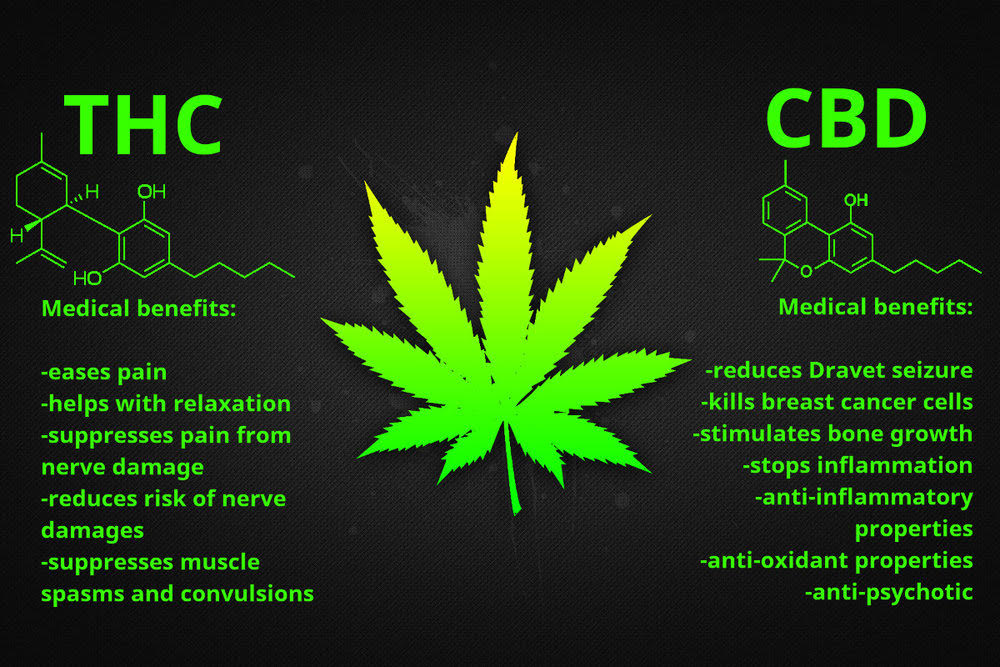
Because THC and CBD both yield from the marijuana plant, many assume that, like THC, using CBD will get you high.
Because THC and CBD both yield from the marijuana plant, many assume that, like THC, using CBD will get you high. (Photo internet reproduction)
One-stop reference
Company Intelligence
Every listed company in Latin America — financials, ownership and structure for 1,450+ companies across 26 exchanges, in one place.
Browse the directory →
RT
Ask Rio Times
17 years of Latin America reporting, on demand.
Open the full Ask Rio Times →

Because THC and CBD both come from the marijuana plant, many assume that, like THC, using CBD will get you high.

While this is a genuine concern, it is not correct. Within the body’s central nervous system is a group of receptors called the Endocannabinoid System, which researchers believe controls appetite, mood, pain sensation, memory, and other important functions.

Within the Endocannabinoid System are several different receptors, one of which is the CB1 receptor. When the CB1 receptor comes into contact with THC, it causes the psychoactive effects associated with “getting high;” however, when the CB1 receptor comes into contact with CBD, not only does it not cause psychoactive effects, it actually blocks THC from interacting with the CB1 receptor.

This allows CBD to inhibit some of the negative effects caused by THC, such as anxiety and memory loss.

Read More from The Rio Times

The Rio Times · Power Map
See who really holds power in Latin America
Click to open the Power Map

Rotate for Best Experience

This report is optimized for landscape viewing. Rotate your phone for the full experience.