Burundi Cholera Hits Bujumbura and Burunga
Residents cite dry taps, and a health survey in Rumonge found too few latrines. Promised water supplies for the worst-hit hills have no delivery date.

Health: Burundi
Cholera, a waterborne disease that causes severe diarrhoea and can be fatal if untreated, is spreading in two Burundian provinces: Bujumbura, around the economic capital, and Burunga, in the south-west. Residents in Bujumbura describe dry taps, and in Burunga a health survey found too few latrines.
Local health sources counted about 40 positive cases in just over a month at the Gatumba Health Centre, according to its head, and reports put about 100 cases in a month in Burunga. Reports differ on deaths: one person died at home in the Kizuka and Gatete area in late October, while a later account says no one has died so far.
Key Facts
- Where. Bujumbura province, around the economic capital, and Burunga province, in the south-west on Lake Tanganyika.
- Cases. About 40 at one Gatumba health centre in a month; about 100 reported in Burunga.
- Deaths. Reports differ: one home death in Kizuka and Gatete in late October; later account says none.
- Nationally. The World Health Organization counted 2,855 cholera cases in Burundi from 1 January to 3 November 2026.
- As of. 24 November 2026, 07:30 GMT.
Residents cite dry taps, and a health survey in Rumonge found too few latrines. Promised water supplies for the worst-hit hills have no delivery date.
In Kinama zone, a local administrative area in Ntahangwa commune in Bujumbura province, resident Emelyne Bimenyimana says her tap has been dry for almost a week. “On a déjà plus de trois cas de choléra ainsi que d’autres infections,” she says, meaning more than three cholera cases have already appeared where she lives.
The Kinama zone chief confirms the surge but says the situation is stabilising, with two days passing without a new case. In the north of Bujumbura, authorities have also confirmed cases in the Gihosha zone, and patients have been moved to the King Khaled and Prince Louis Rwagasore hospitals, a local report dated 7 November 2026 said.
In Gatumba, in Bujumbura province, Bienvenue Ndayisenga, head of the Gatumba Health Centre, says about 40 people tested positive in a little over a month. He says he cannot directly link the cases to the lack of drinking water, although residents of Mahotera hill say their taps have been dry for more than a year and some households draw groundwater.
Burunga is the province around Rumonge, a port on Lake Tanganyika, and the cases there cluster on hills, the local neighbourhood units. Most patients from Kizuka hill in Rumonge commune have recovered and gone home, says Dr Alexis Nkurunziza, medical director of the Rumonge health district.
Two patients remain at the cholera treatment centre at Rumonge hospital, he says. A community survey found that many Kizuka households have no latrines, and some fishermen relieve themselves in Lake Tanganyika.
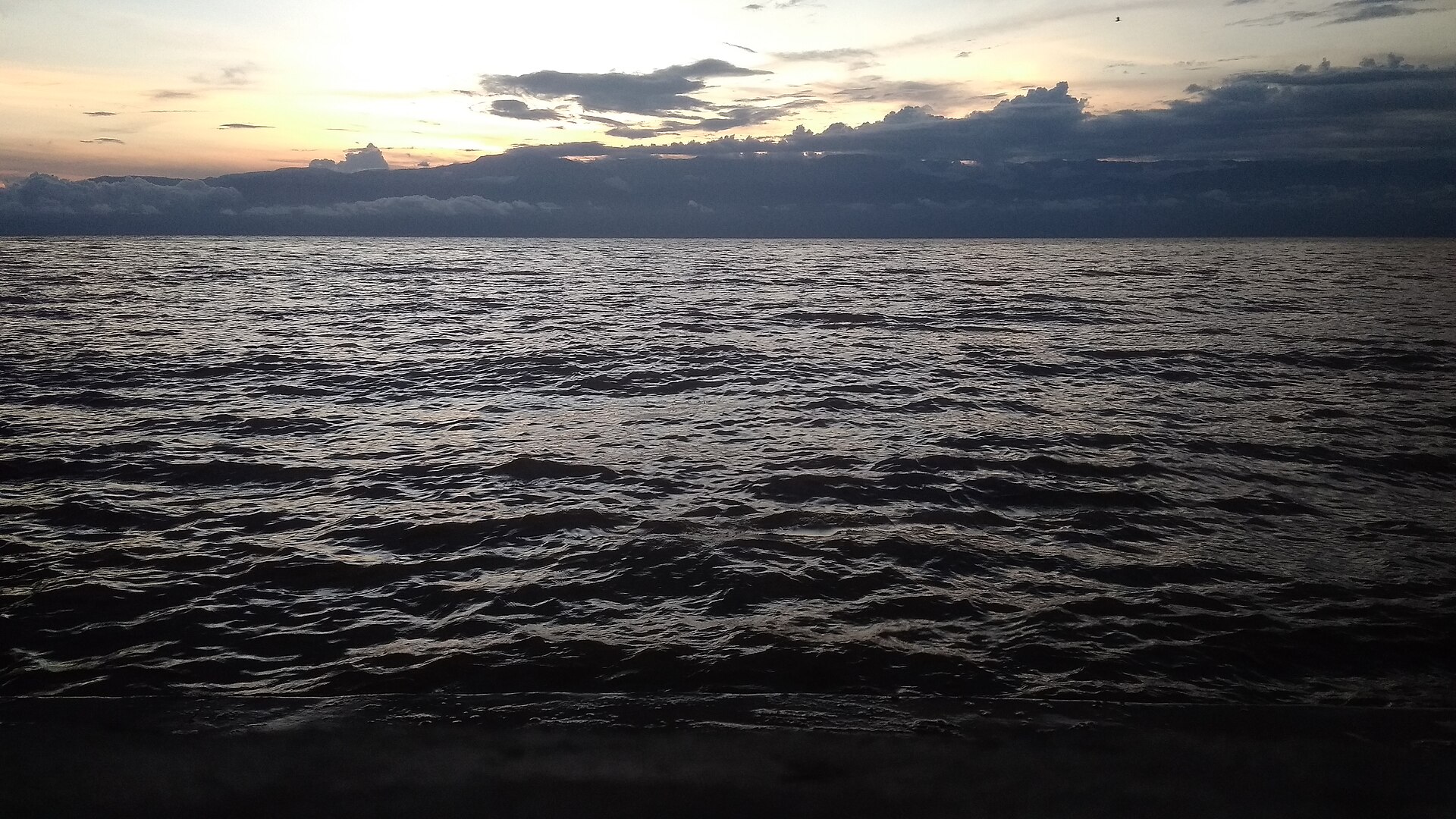
Kizuka residents drink lake water because they lack potable water. Augustin Minani, administrator of Rumonge commune, says the hill will soon be supplied from neighbouring Kagongo hill.
Minani ordered local authorities to check that every household has a latrine, and he threatened fines for offenders. He asked fishermen to build latrines at Kizuka’s fishing port, and community health workers are to monitor hygiene every day.
A Kizuka resident, identified only by the initials B.A., asked Rumonge to bring in water from neighbouring hills and proposed fines for households without latrines. A Red Cross vehicle with loudspeakers is also touring at-risk areas with prevention messages.
The death toll is unsettled: a local report dated 2 November 2026 said about ten cases appeared in the Kizuka and Gatete areas of Rumonge commune in one week in late October, with seven people in hospital, three recovered and one dead at home. A report published on 24 November says no one has died so far, without saying who counted.
In Nyanza commune, local health sources count more than 70 cases, with Mvugo hill, a fishing-port community, the worst hit. That count comes from sources close to the Nyanza health district, and the Burunga-wide figure of about 100 is not attributed to a named counter.
Gloriose Ntaconzobitandekuye, the commune’s executive secretary, says two water-supply projects are under way and Mvugo will be a priority. Fishermen there have asked the commune to help them build solid latrines.
Outside funding for national cholera preparedness is already committed. The United Kingdom pledged £300,000 (about US$390,000 at US$1.30 per pound, the market rate of 24 November 2026) for cholera preparedness and prevention from 15 June 2026 to 31 March 2027, the UN children’s agency UNICEF said in a statement datelined 19 August 2026.
Nationally, the World Health Organization’s Burundi office said on Sunday 8 November 2026 that the country recorded 2,855 cholera cases from 1 January to 3 November 2026 in 13 of its 47 health districts. In 2025 Burundi recorded about 3,000 cases and 13 deaths, according to the Ministry of Public Health.
The sum is part of a £1.1 million package that also covers Ebola, UNICEF said. For cholera it covers case management at the Prince Louis Rwagasore and Rubirizi cholera treatment centres, surveillance, water and sanitation, and risk communication.
As of 24 November 2026 we found no published case total for Bujumbura or Burunga provinces. For Bujumbura, the commune health department, the district and the ministry did not answer requests for exact figures, according to the 24 November report.
The next test is whether the promised supplies reach Kizuka and Mvugo. Neither commune has given a date.
Frequently Asked Questions
What is cholera and how does it spread?
Cholera is an intestinal infection caught by drinking water or eating food contaminated with faeces. It is treatable with rehydration when patients reach a clinic quickly.
Is this a national outbreak?
The World Health Organization’s Burundi office counted 2,855 cases nationwide from 1 January to 3 November 2026. Provincial totals for Bujumbura and Burunga have not been published.
What are authorities doing?
Local officials are ordering latrine checks, planning water supplies for the hardest-hit hills and sending health workers to monitor hygiene. A Red Cross vehicle is broadcasting prevention messages.
Sources
UNICEF Burundi press release on UK funding, datelined 19 August 2026 · Statements by Burundian local health and administrative officials, November 2026 · RT, GBP/USD, 24 November 2026
Connected Coverage
Africa news · Burundi and Its Neighbours in East Africa · Burundi Level 3 Advice for US Travelers
This article was produced by The Rio Times’ automated AI newsroom. Editorial responsibility: Matthias Camenzind, Publisher and Editor-in-Chief. The Rio Times also runs Ask Rio Times, which answers from 100,000+ of our own articles, the daily Latin America Power Map, and prediction-market odds on elections and markets.. How we use AI · Report an error