Brazil derives only 3% of its electricity from coal, even though it’s cost-effective, due to its significant environmental impact. The shift to cleaner energy is evident.
Worldwide, coal-fired power stations produce over one-third of electricity. In Brazil, coal’s share is tiny: 5% of the energy mix and 3% of electricity.
In 2021, Brazil halved its coal and gas thermal energy generation.
The federal government’s 2021 announcement plans to update and increase coal power plants. They aim for responsible coal use nationwide.
Professor Fernando de Lima Caneppele from the University of São Paulo defines coal as a non-renewable resource.
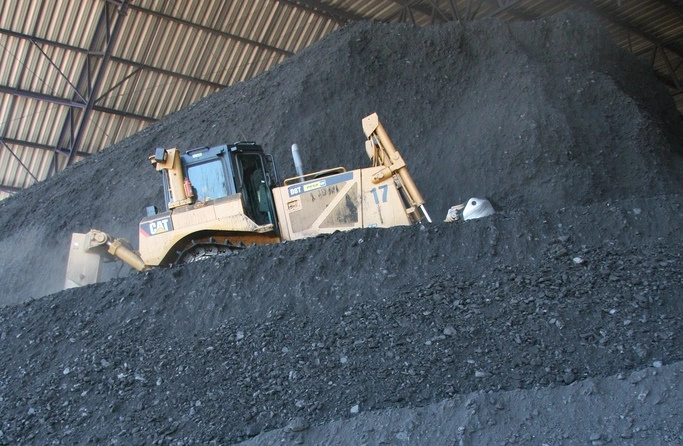
Formed over time, plant debris in wetlands turns into energy-rich rocks.
When we burn these rocks, they release a lot of heat. This heat turns boiler water into steam, driving turbines and generating electricity.
Despite the global move away from fossil fuels, coal remains in use for its energy yield and affordability.
It’s abundant, especially in Brazil’s south, making up 99.97% of the nation’s reserves.
Caneppele explains coal’s unique benefit: it generates power regardless of the season, unlike wind or solar power.
Yet, its major downside is pollution. Plus, it’s highly flammable, posing safety risks.
Background
Coal’s history in energy traces back to the Industrial Revolution, igniting major progress. For decades, it has been a global power staple.
Brazil, however, has favored renewable sources like hydroelectricity. This trend aligns with global efforts to reduce carbon emissions. In recent years,
Brazil has invested more in wind and solar energy. These efforts aim to cut reliance on coal, improving environmental health.
The country’s energy policy reflects a commitment to sustainability. Brazil’s journey mirrors a world striving for cleaner energy solutions.
More: Brazil news in English, every day from The Rio Times.
This article was drafted with automated assistance and reviewed before publication. How we use AI · Report an error
Read More from The Rio Times