Brazil’s First Offshore Wind License Opens Door to New Energy Era
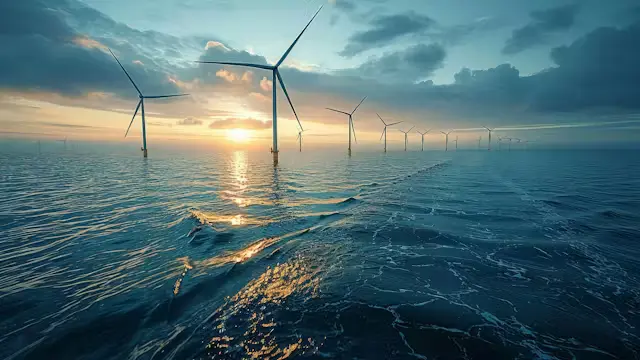
Brazil’s environmental agency, Ibama, has given its first-ever approval for an offshore wind power project. This license, announced on June 24, 2025, allows a test site for wind turbines in the sea near Areia Branca, in the state of Rio Grande do Norte.
The information comes directly from Ibama and the Senai Institute for Innovation in Renewable Energies. The project, called Sítio de Testes de Aerogeradores Offshore, will have a capacity of up to 24.5 megawatts.
That is enough to supply electricity to thousands of homes. The goal is to test how offshore wind power could work in Brazil’s coastal waters. Ibama started reviewing this project in 2017.
Its team of experts studied how the project might affect marine life, local people, and the environment. They found some possible impacts, like noise in the water and effects on sea animals.
To address this, Ibama required a strict Environmental Management Plan. This plan includes 13 programs, such as monitoring wildlife, controlling noise, sharing information with the community, and training workers.
The license does not mean construction can start right away. It shows that the project is safe for the environment at this planning stage, as long as all future rules are followed.
Brazil Secures First Offshore Wind License
Claudia Barros, Ibama’s director of environmental licensing, called this license an important step for Brazil’s energy future. Brazil’s long coastline and strong winds make it a good place for offshore wind power.
Until now, the country has focused on hydropower and onshore wind. This new license means Brazil is ready to try offshore wind, which could bring new jobs and investment, especially to Rio Grande do Norte.
The project’s progress will be watched closely by energy companies and investors. If it works, Brazil could see many more offshore wind projects in the future. The government wants to make sure these projects help the economy without harming the environment.
This license marks a careful but important move for Brazil’s energy sector. It could shape how the country develops clean energy in the years ahead.
This article was produced by The Rio Times’ automated newsroom system. How we use AI · Report an error
Read More from The Rio Times