Brazil Court Takes Up Teacher Pay Floor
Brazil’s highest court is deciding whether the teachers’ pay floor is only a starting salary or lifts every career step, a choice that sets the bill for states and cities.

Politics: Brazil
Brazil’s Supreme Federal Court (STF), the country’s highest court, returned on Thursday 26 November 2026 to two cases, known as Theme 1218 and Theme 1324, that decide how far the national teachers’ pay floor reaches. The session was set to start at 14:00 in Brasília, which is 17:00 GMT (Greenwich Mean Time) and noon in New York.
At the time of writing the justices had not announced a result. Whatever they decide will bind every court in Brazil and tell state and city governments what they owe their schoolteachers.
Key Facts
- Who. Brazil’s Supreme Federal Court; Justice Cristiano Zanin leads the first case, Theme 1218.
- What. Two cases binding on all courts: Theme 1218 on career steps, Theme 1324 on yearly adjustment.
- Money. The 2026 floor is R$5,130.63 a month (about US$895) for 40 hours a week.
- Power Index. Brazil ranks 1st of 14 in The Rio Times Latin America Power Index, with 74.2 points (November 2026 edition).
- As of. 26 November 2026, 17:40 GMT (12:40 p.m. New York).
Brazil’s highest court is deciding whether the teachers’ pay floor is only a starting salary or lifts every career step, a choice that sets the bill for states and cities.
The floor comes from Federal Law 11.738 of 2008, which set a national minimum monthly wage for public-school teachers. In January 2026 the Education Ministry raised it to R$5,130.63 for a 40-hour week (about US$895 at the 26 November market rate of 5.73 reais per dollar), up 5.4% from R$4,867.77 (about US$850).
The fight is over what “floor” means. Teachers’ unions say it must lift every step of a career, while state and city governments say it only fixes the pay of a newly hired teacher.
Theme 1218 began with an appeal by São Paulo state against a ruling that recalculated a teacher’s pay across the whole career table. The court must say whether the floor is only a starting salary or also affects the other levels, steps and classes.
Justice Cristiano Zanin, who drafts the lead opinion in Theme 1218, voted that governments must draw up or update career plans with the floor as the minimum. His proposed ruling says it is “not for the Judiciary to readjust the pay of the classes and steps” of those plans (translated from Portuguese), citing the separation of powers.
Justice Dias Toffoli disagreed: he would treat the floor as base pay and leave each government’s own law to set the knock-on effect on higher career steps. Justice Alexandre de Moraes followed him, so three justices have voted in this case, and Justice Gilmar Mendes asked for more time in May and returned the file on 1 October.
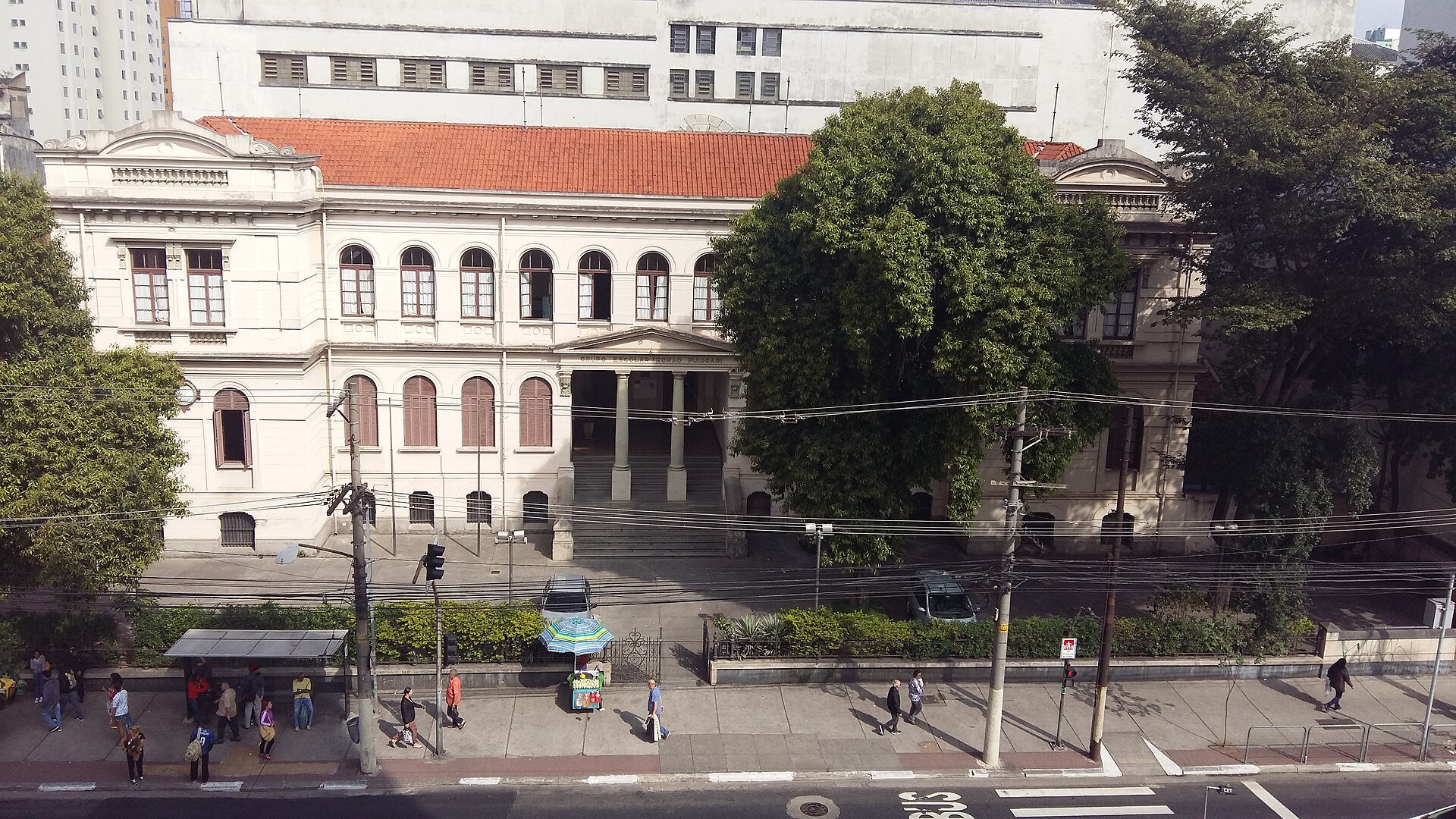
Theme 1324 asks a narrower question: does the Education Ministry’s yearly ordinance bind states and municipalities automatically, or does each need its own local law? Toffoli, who reports this case, voted that every government must follow the updated floor, and Moraes followed his votes in both cases.
Teachers’ unions, including CNTE, the national confederation of education workers, argue that the pay floor and the career structure cannot be separated. The Fiscal Responsibility Law, the federal law that caps public payroll spending, is the budget limit states and cities must respect when they pay for raises.
The money question is the heart of the case, and it is the reason mayors and governors follow it closely. States and cities, not the federal government, pay these salaries, so a win for the unions would carry each new floor up the whole career table, while a win for the governments would leave those already paying above the floor with no automatic duty.
The court has already moved once this year in teachers’ favour. In April 2026 the full bench (the plenary) unanimously ruled that temporary teachers are also covered by the floor.
The case was first listed for 11 November and has been rescheduled several times, and the session is now set for Thursday. Being on the agenda does not guarantee that the vote will be finished the same day.
The justices have not announced a cost estimate for states and municipalities. Gilmar Mendes has not stated his position, and the remaining justices have not voted.
If the plenary does not finish on Thursday, no new date has been announced yet. The earlier report covers the lead-up to the session.
Frequently Asked Questions
What is the teachers’ pay floor?
It is the lowest monthly wage a public-school teacher can be paid for a full-time week. The Education Ministry updates it every year.
Why does the ruling matter beyond teachers?
States and cities pay the salaries, so the answer sets how much payroll courts can push up. It is also a test of how binding national pay rules are on local budgets.
When will the court decide?
The result had not been announced at the time of writing. If the vote is not finished, the court will set a new date.
Sources
Supreme Federal Court case records (Theme 1218, RE 1.326.541; Theme 1324, ARE 1.502.069); Education Ministry ordinance of January 2026; Federal Law 11.738/2008; statements by CNTE · STF · Ministry of Education · CNTE
This article was produced by The Rio Times’ automated AI newsroom. Editorial responsibility: Matthias Camenzind, Publisher and Editor-in-Chief. The Rio Times also runs Ask Rio Times, which answers from 100,000+ of our own articles, the daily Latin America Power Map, and prediction-market odds on elections and markets.. How we use AI · Report an error
Connected Coverage
Brazil runoff, Sunday, October 25: When is the Brazil runoff election. Latest: Brazil runoff polls, Flávio 51%, Lula 49%.