Brazil Supreme Court Keeps Hacked Moro Chats
The court has ended a fight that began in 2019 over whether leaked chats from Brazil’s biggest corruption case could be wiped, and it chose to keep them for the defence.

Courts: Brazil
Brazil’s Supreme Federal Court ruled unanimously, with one justice not taking part, on Monday 23 November 2026 that hacked chats between former judge Sergio Moro and Lava Jato prosecutors must be kept, not destroyed. Lava Jato, or Car Wash, is Brazil’s huge corruption investigation, and the chats date from when Moro was a federal judge in Curitiba.
The messages leaked in 2019, and lawyers for Brazil’s president, Luiz Inácio Lula da Silva, used them to challenge Moro’s impartiality. The ruling now keeps them available to defendants and to investigators of the hack.
Key Facts
- Who. Brazil’s Supreme Federal Court ruled unanimously, following its rapporteur, Justice Dias Toffoli; one justice sat out.
- What. Chats seized in Operation Spoofing, a police probe of phone hackers, must be preserved, not destroyed.
- When. Ruling on Monday 23 November 2026 in the court’s online plenary; Toffoli’s vote opened Friday 13 November.
- Power Index. Brazil ranks 1st of 14 in The Rio Times Latin America Power Index, with 74.2 points (November 2026 edition).
- As of. 25 November 2026, 06:00 GMT.
The court has ended a fight that began in 2019 over whether leaked chats from Brazil’s biggest corruption case could be wiped, and it chose to keep them for the defence.
The case, ADPF 605 (a direct constitutional challenge filed in the Supreme Federal Court), began in 2019 when the PDT (Partido Democrático Trabalhista, a centre-left party) went to the court after Moro, then Justice Minister, was reported in July 2019 to plan to discard the seized material. Brazil’s national police had taken it in Operation Spoofing, an investigation of hackers who broke into the phones of Brazilian officials, and it arrested four suspects in July 2019.
In August 2019 Justice Luiz Fux granted an injunction, a temporary order, barring destruction of the material. Moro told the court there was no administrative order to destroy the material and that the decision belongs to the Judiciary.
Toffoli replaced Fux as rapporteur, the justice who steers a case, in 2020. In June 2023 the virtual plenary, where justices post votes online over a set period, unanimously confirmed the injunction.
The new ruling rules out destruction by ministerial order and keeps the files open to the defence. It leaves open how any single case will weigh the chats.
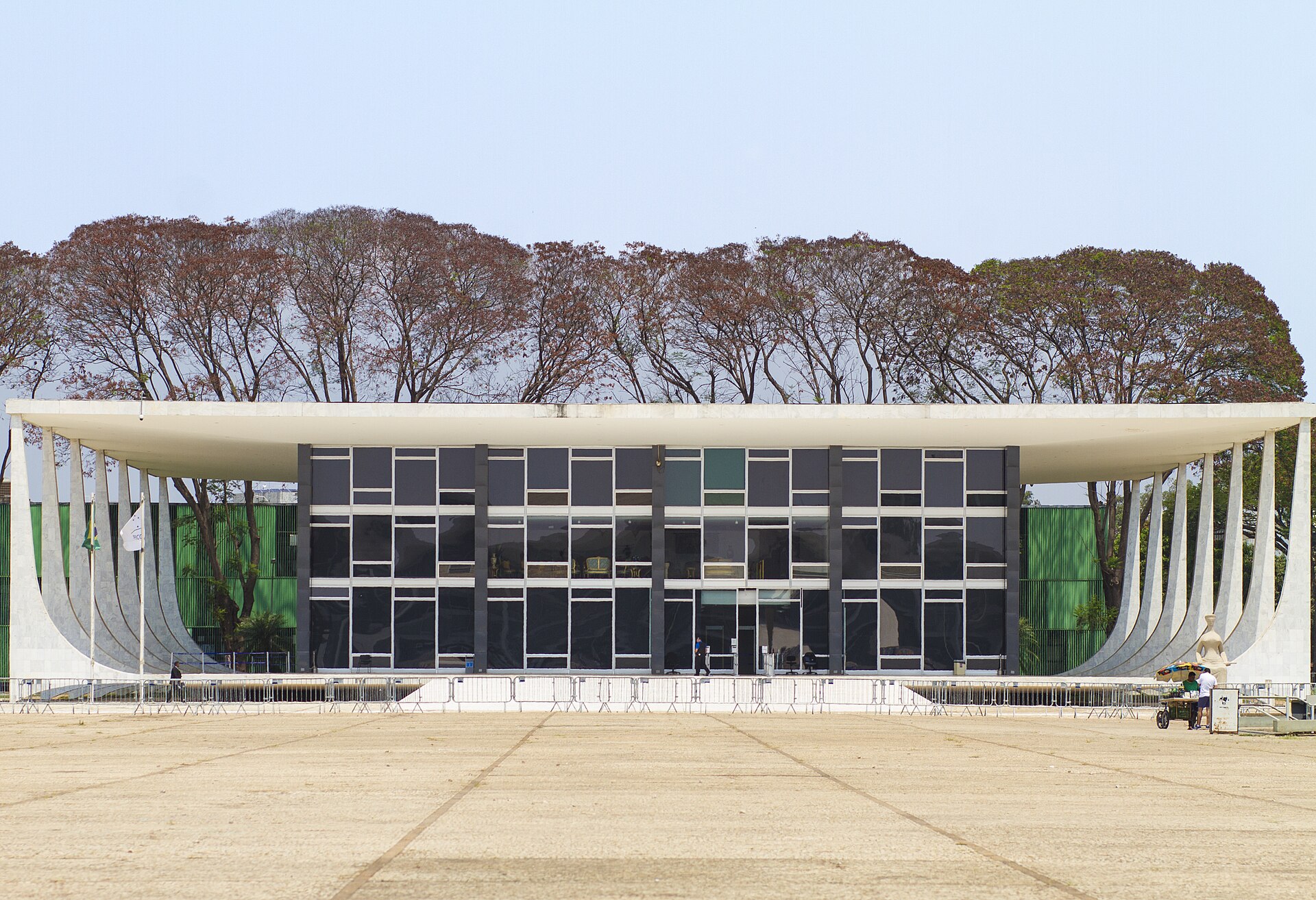
Toffoli voted on Friday 13 November 2026 to make preservation definitive, and the session stayed open for ten days. The Prosecutor General’s office (PGR, the government’s top prosecutor before the court) had given its opinion that the action was inadmissible because it used the wrong procedural route.
The Attorney General’s office (AGU, the government’s legal defender) argued that the case had lost its object, because preservation was already secured. Toffoli rejected both objections.
Toffoli wrote in his vote that destroying the material “would also violate the principle of full defence” because defendants would lose the right to use it in their favour, even where the evidence was unlawfully obtained. He cited article 5, item LV of the Constitution, the clause on full defence.
He also found that a ministerial order to destroy the files would be undue interference by the Executive in the work of the Judiciary. Under article 9 of Law 9.296/96, Brazil’s wiretap law, he noted, recordings of no interest to the evidence are destroyed by judicial decision.
Chats obtained by crime cannot be used to incriminate officials, the vote says, but defendants may use them in their favour, a principle known in Brazilian law as pro reo, Latin for in favour of the accused. Access extends to defendants and people under investigation in Lava Jato cases, with secret content protected.
At the close of the session the court held the PDT’s request well founded and made the injunction definitive. Justices Alexandre de Moraes, Cármen Lúcia, Flávio Dino, Edson Fachin, Gilmar Mendes, Luiz Fux, André Mendonça and Nunes Marques followed Toffoli without separate votes.
Justice Cristiano Zanin declared himself impeded, meaning he did not take part. The material must be kept both for the criminal liability of the hackers and for the defence of people investigated or prosecuted in Lava Jato.
Defendants are the people who gain, because the ruling guarantees that evidence once used to question Moro’s impartiality stays available to them. Officials named in the chats lose the option of having it destroyed, and the court did not say that any conviction is affected.
The text of the ruling was not available to us, because the court’s own pages did not open, so we describe it from the vote and the justices’ reasoning as reported. We do not know how many hackers were convicted, who will get access first or how fast, and we found no public reaction from Moro.
We found no announced date for any next step. The open question is how soon defendants in Lava Jato cases can start asking for the files.
Frequently Asked Questions
What did Brazil’s Supreme Court decide?
It made permanent an order to keep the material seized in Operation Spoofing, including chats between Sergio Moro and prosecutors. The vote was unanimous, with one justice not taking part.
Can the chats be used in court?
Toffoli’s vote says they cannot be used to incriminate officials but may be used in favour of defendants. The ruling does not decide how any single case will weigh them.
Why did anyone want the material destroyed?
Moro, then Justice Minister, was reported in July 2019 to plan to discard it. He later told the court there was no administrative order to destroy it.
Sources
Supremo Tribunal Federal, ADPF 605, virtual plenary of 13 to 23 November 2026; Procuradoria-Geral da República; Advocacia-Geral da União. The ruling text and the two opinions were not available to us online; we describe them from the vote as reported.
Connected Coverage
This article was produced by The Rio Times’ automated AI newsroom. Editorial responsibility: Matthias Camenzind, Publisher and Editor-in-Chief. The Rio Times also runs Ask Rio Times, which answers from 100,000+ of our own articles, the daily Latin America Power Map, and prediction-market odds on elections and markets.. How we use AI · Report an error
Brazil runoff, Sunday, October 25: Brazil runoff start time and results schedule. Latest: Brazil runoff polls, Flávio 51%, Lula 49%.