São Gabriel da Cachoeira: Meet Brazil’s most indigenous city
RIO DE JANEIRO, BRAZIL – In the extreme Northwest of the Amazon – far, far away from Rio de Janeiro, São Paulo, or Salvador – lies São Gabriel da Cachoeira. Surrounded by the abundant biodiversity of the Amazon Forest, the city is an incomparable multi-ethnical cauldron: many people might not have heard of it, but São Gabriel da Cachoeira is Brazil’s most Indigenous city, with around 90% of its inhabitants being Indigenous people.
As a city with residents of 23 Indigenous ethnicities, São Gabriel da Cachoeira has five official languages, a status that no other city in Brazil has ever achieved. In addition to Portuguese, there are are four indigenous, co-official languages spoken by São Gabriel locals – Nheengatu, Tukano, Baniwa, and Yanomami However, at least 16 other non-official languages remain alive in the territory.
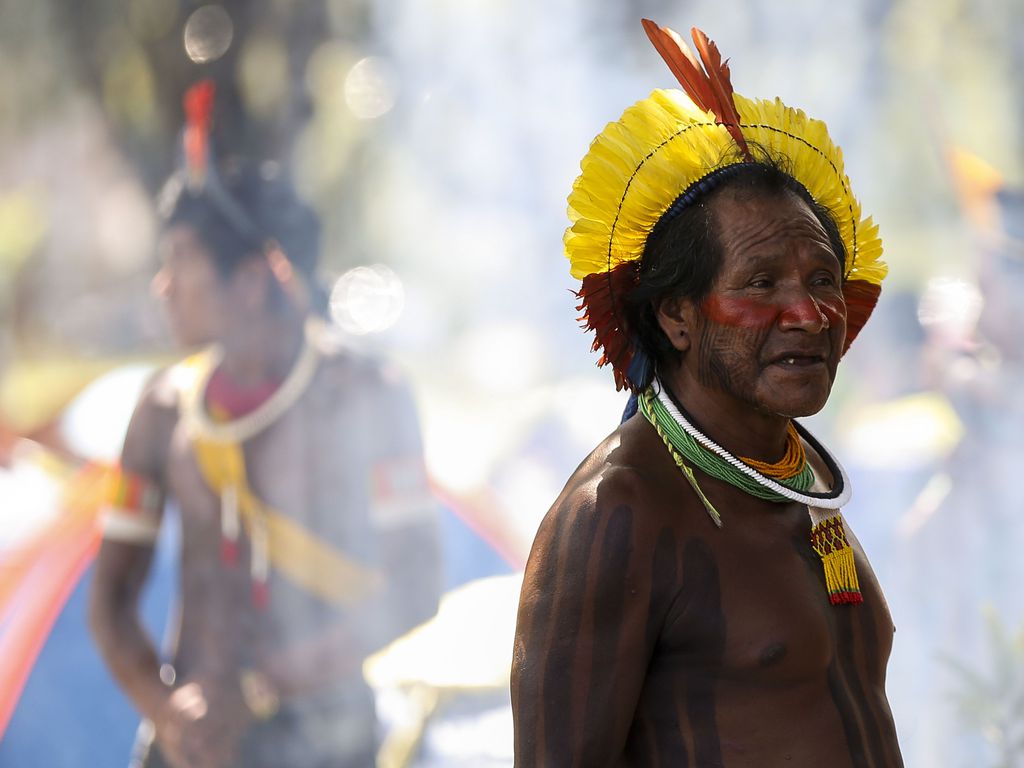
While some of the indigenous communities in São Gabriel do not host visitors (especially since the Covid-19 pandemic) or are reluctant to make their way of living a touristic attraction, others, like the Yanomami, the Tucano, or the Baniwa, welcome tourists during most of the year.
Other than that, the Indigenous culture of São Gabriel can be experienced in events like Festribal, the Cultural Festival of the Indigenous Peoples of the Alto Rio Negro Region, a yearly event that happens in the city since the late 1990s.
The exuberance of the Amazon forest is also a reason to visit São Gabriel da Cachoeira. The municipality is bordered by the Rio Negro, which, alone, is quite an attraction for those who are not used to seeing such imposing, dense, mighty rivers like those in the Amazon. September, by the way, is when drought season starts in the Amazon.
Thus, a large sand strip appears in the borders of Rio Negro, which turns into a 500-meter-long river beach in São Gabriel during this part of the year. But be cautious: Rio Negro’s waters may have very strong currents.
What’s more, the most Indigenous city of Brazil is also the starting point for a hiking tour to the 3014-meter-high Pico da Neblina, considered the highest peak of Brazil. In order to get to Pico da Neblina’s National Park, one must get a permit from the Yanomami people, whose territory comprehends the National Park area.
In Pico da Neblina National Park, make sure to also check the 2992-meter-high 31 de Março Peak and Morro dos Seis Lagos, a biological reserve located around 70 km away from São Gabriel’s city center. Of the many natural beauties that one can experience at Morro dos Seis Lagos, the multi-colored water mirrors are probably the most impressive – they are a result of the mineral composition present in the region’s soil.
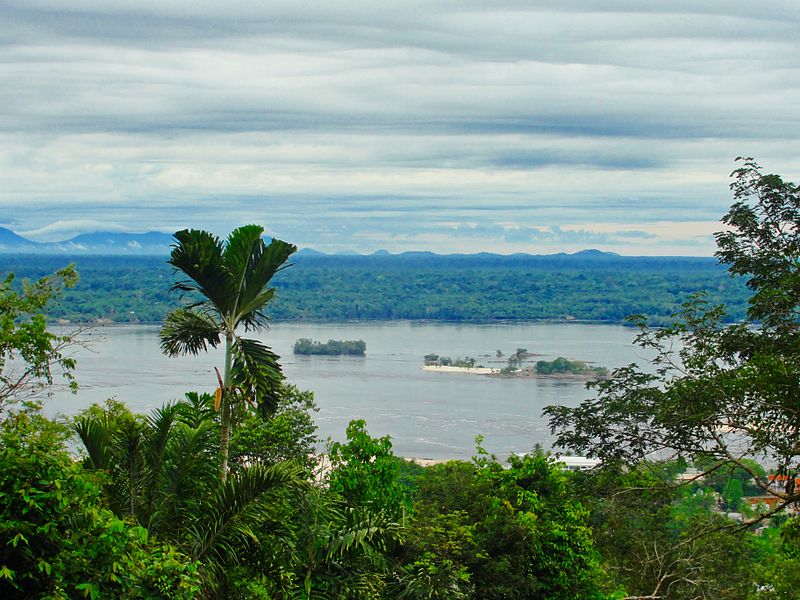
The contours of São Gabriel da Cachoeira are magnificent, and the Bela Adormecida Mountain Range also proves this to be true. With a Sleeping Beauty-like shape, Bela Adormecida can be properly appreciated from the top of Morro da Fortaleza, the hill where an eighteenth-century fortress is located.
For those into architecture and religion, going up the Morro da Boa Esperança Hill can be particularly interesting – two chapels are situated on the top of the hill, and the path is decorated with tiles that tell the Stations of the Cross story.
Just like everything else in São Gabriel’s culture, the culinary scene is profoundly marked by Indigenous accents. A typical dish in São Gabriel is “kinhapira”. Consisting of a spiced fish stew and accompanied by a type of cassava flour named “beiju”, it is served in food stands, restaurants, and the municipal market.
A synesthetic experience one can only have in the Amazon, São Gabriel’s market is the place to taste fruits, herbs, spices, and fishes that do not exist elsewhere – like tucumã, açaí, piraíba, and tucupi.
Located 850 kilometers away from the Amazonas capital, Manaus, and on the frontier with Colombia and Venezuela, São Gabriel da Cachoeira can be accessed by plane (a two-hour flight from Manaus) or boat through Rio Negro (a trip that takes three to four days).
More: Brazil news in English, every day from The Rio Times.
Editorial responsibility: Matthias Camenzind, Editor-in-Chief · Editorial standards · Report an error