Cow vagina on the plate: restaurant in Milan serves animals “in their entirety”
The restaurant’s name – Trippa – was not a random choice, of course. And neither was the menu selection unconventional for other trattorias in Milan.
There, alongside the ricotta-filled tortelli and the most photographed version in all of Italy of the classic vitello tonnato, are recipes less familiar to the general public: cibreo, finanziera, pajata.
Even Italians can have trouble recognizing the names.
And, even more, to know what is behind these preparations. And that is exactly where the innermost pleasure of Milanese chef Diego Rossi lies.

An aficionado of his country’s cuisine, he really likes to dig through old recipe notebooks that can give clues about the ones disappearing from Italian tables.
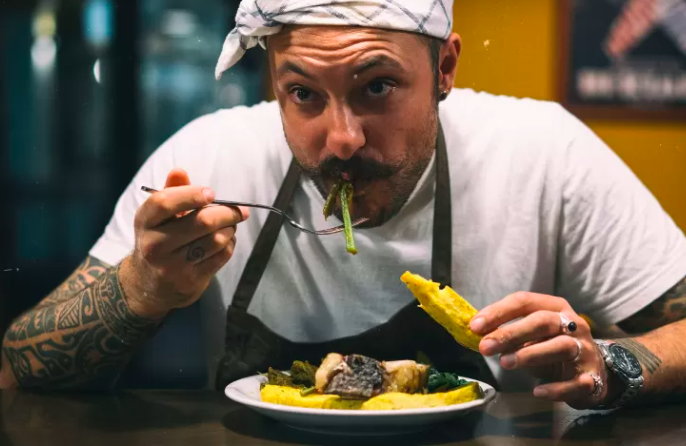
And thus try to bring them back, in more modern versions, but always with respect for traditions, he stresses. There is a verb for this in Italian: “spolverare”, which literally means to remove the dust.
This is what he seeks in his kitchen.
One such recipe is the soup coada from the Veneto, a kind of terrine made with bread and partridge that has almost disappeared. Or the casserole, a stew of pork parts (including the skin) typical of Lombardy.
But conversations with historians and nannies helped him bring back even older habits, such as eating entrails and all animal parts.
From Italy’s poor past, with two wars and many other difficulties along the way, came what is called cucina povera (or poor cooking), in which every ingredient was gold.
When they got access to an animal to eat, for example, they had to devour it completely, from ears to tail, from kidneys to lungs. And even the vagina.
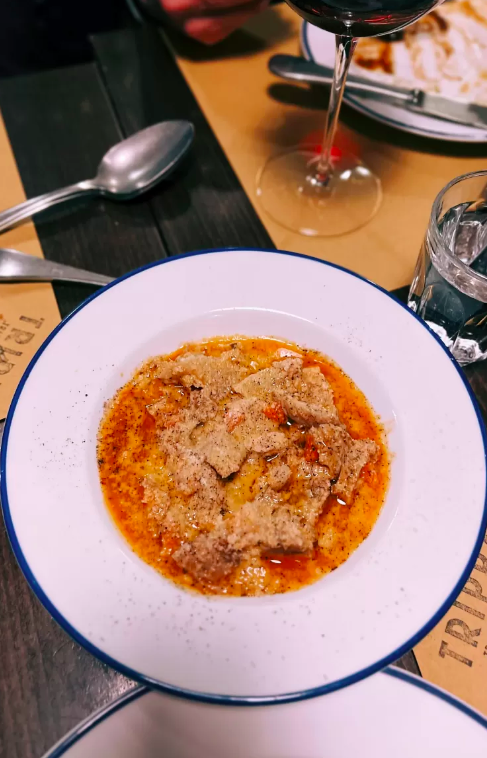
Yes, Rossi discovered through a history professor that there was a recipe made with the bovine genitalia that was a heritage of an Etruscan cuisine that settled in Italy. He was instigated to reproduce it anyway.
He visited one by one the maccelaio he knew in Milan to get the animal part. He only had luck after going through almost a dozen of them and convincing a butcher friend to sell it.
Even he didn’t know it was possible to cook it.
We studied anatomy a bit and got the cut, which I prepared in the restaurant’s kitchen alla parmigiana [covered with cheese],” he says.
Months later, he visited a tripe stall in a market in Florence and found the very same cut for sale.
“That’s when I realized that the recipe had a tradition, which was being lost,” he says.
Although his work is helping to reveal old Italian eating habits, Rossi says that his search is based mainly on a very personal curiosity.
“I love talking to gentlemen and hearing them talk about recipes they used to eat that they can’t find anymore. The way they tell about these dishes as true trophies always motivate me to reproduce them for the simple fact of wanting to taste them,” he admits.
The recipes come from family books and notebooks.
“They are not on the Internet,” he says. When she is happy with the results, she decides it is time to include them in the menu and give people a chance to get to know them since many of them have never left their homes.
For this reason, her menu – which, incredible as it may seem, also includes very delicate vegetable-based recipes – is an ode to the total use of animals. “I try to use the products as a whole,” he guarantees.
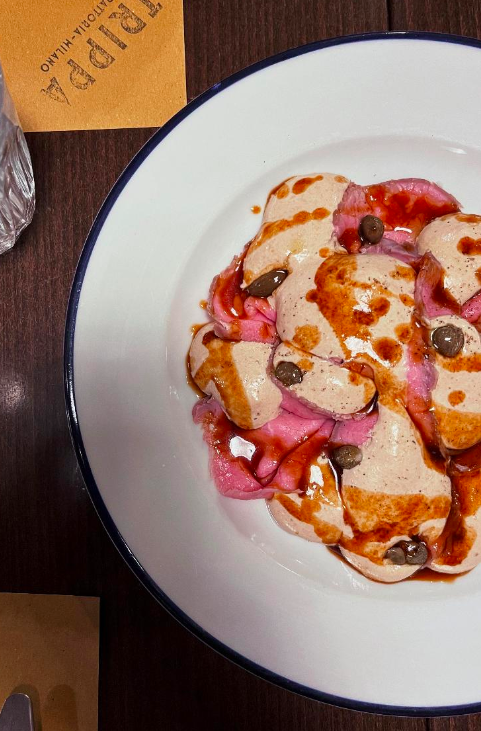
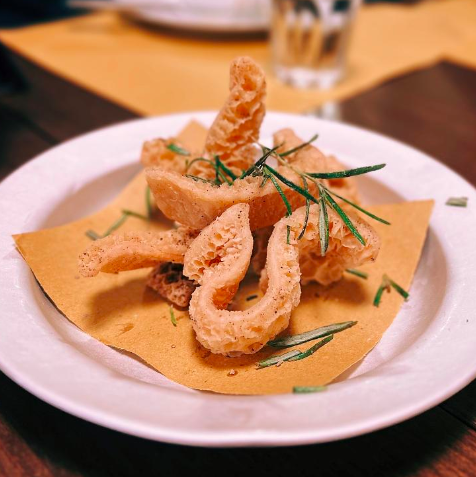
The very pink veal kidneys covered with a light sauce made with the animal’s meat, the fried beef tripe like a dry crackling (which gave the space its name), or the crispy pork ears have become hits on the menu.
Since Trippa opened in 2015, it has come to be considered one of the best restaurants in Milan in the city’s guidebooks.
Near Milan’s Porta Romana, Rossi has managed to unite haute cuisine techniques with the atmosphere of the more familiar trattorias (the restaurant is covered in wood) and serve historic recipes with a certain air of modernism.
“From the beginning, working with less conventional ingredients seemed more challenging. And also a way to have more accessible products,” he says. “I think that’s where the customers’ interest comes from,” he concludes.
But also from the curiosity to try new recipes, one entree at a time.
With information from UOL
This article was produced by The Rio Times’ automated newsroom system. How we use AI · Report an error · Editorial responsibility: Matthias Camenzind, Editor-in-Chief
Read More from The Rio Times