IBOV 166,684.61 ▲ 1.58% COLCAP 2,452.46 — — IPC MEX 69,438.37 ▲ 0.20% MERVAL 2,848,945 — — USD/BRL5.82▼ 1.41% USD/MXN19.58▲ 0.90% USD/CLP1,038▲ 0.44% USD/COP3,553▲ 0.84% USD/PEN3.47▼ 0.35% USD/ARS1,602▲ 0.60% USD/UYU40.70▲ 3.72% USD/PYG6,399▲ 3.19% USD/BOB11.78▲ 3.48% USD/DOP59.60▲ 0.08% USD/CRC441.10▲ 1.88% USD/GTQ7.65▲ 3.36% USD/HNL26.89▼ 0.08% USD/NIO36.62▲ 0.34% USD/VES920.26▼ 0.13% USD/PAB1.00— 0.00% USD/BZD2.00— 0.00% USD/JMD157.39▲ 2.60% USD/TTD6.73▲ 2.40% EUR/BRL6.39▼ 1.07% BRENT 90.67 ▼ 0.80% WTI 84.03 ▲ 2.41% IRON ORE 161.91 — — COPPER 5.49 ▲ 2.38% GOLD 3,609 ▲ 1.32% SILVER 41.73 ▲ 2.38% SOY 1,243 ▲ 0.75% CORN 456.25 ▲ 5.13% WHEAT 586.50 ▲ 2.94% COFFEE 268.55 — 0.00% SUGAR 18.42 ▲ 4.30% ORANGE JUICE 125.40 ▼ 4.57% COTTON 81.97 ▲ 3.60% COCOA 5,421 ▲ 2.65% BEEF 227.10 ▲ 0.53% CATTLE 327.43 ▼ 1.64% LITHIUM 52.86 ▼ 1.55% PETR4 41.36 ▲ 2.00% VALE3 56.90 ▲ 3.10% ITUB4 40.01 ▲ 0.68% BBDC4 14.19 ▲ 4.19% ABEV3 15.81 ▼ 1.80% BBAS3 14.69 ▲ 3.60% B3SA3 14.58 ▲ 2.82% WEGE3 49.65 ▼ 1.10% PRIO3 60.50 ▲ 1.51% SUZB3 55.40 ▼ 1.32% RENT3 29.32 ▲ 2.84% AZZA3 15.33 ▲ 8.11% CSAN3 3.42 ▲ 5.88% RAIZ4 14.11 ▲ 1.51% PCAR3 3.52 ▲ 7.65% GMAT3 4.17 ▲ 1.71% PSSA3 41.88 ▼ 0.12% CVCB3 0.73 ▲ 5.80% POSI3 3.25 ▲ 3.50% SLCE3 16.78 ▼ 0.18% NATU3 4.71 ▲ 10.56% BRKM5 2.24 ▼ 10.40% RANI3 7.97 ▲ 1.79% IBOV 166,684.61 ▲ 1.58% COLCAP 2,452.46 — — IPC MEX 69,438.37 ▲ 0.20% MERVAL 2,848,945 — — USD/BRL 5.82 ▼ 1.41% USD/MXN 19.59 ▲ 0.95% USD/CLP 1,038 ▲ 0.44% USD/COP 3,553 ▲ 0.84% USD/PEN 3.47 ▼ 0.27% USD/ARS 1,602 ▲ 0.60% USD/UYU 40.70 ▲ 3.72% USD/PYG 6,399 ▲ 3.19% USD/BOB 11.78 ▲ 3.48% USD/DOP 59.60 ▲ 0.08% USD/CRC 441.10 ▲ 1.88% USD/GTQ 7.65 ▲ 3.36% USD/HNL 26.89 ▼ 0.08% USD/NIO 36.62 ▲ 0.34% USD/VES 920.26 ▼ 0.13% USD/PAB 1.00 — 0.00% USD/BZD 2.00 — 0.00% USD/JMD 157.39 ▲ 2.60% USD/TTD 6.73 ▲ 2.40% EUR/BRL 6.39 ▼ 1.06% BRENT 90.67 ▼ 0.80% WTI 84.03 ▲ 2.41% IRON ORE 161.91 — — COPPER 5.49 ▲ 2.38% GOLD 3,609 ▲ 1.32% SILVER 41.73 ▲ 2.38% SOY 1,243 ▲ 0.75% CORN 456.25 ▲ 5.13% WHEAT 586.50 ▲ 2.94% COFFEE 268.55 — 0.00% SUGAR 18.42 ▲ 4.30% ORANGE JUICE 125.40 ▼ 4.57% COTTON 81.97 ▲ 3.60% COCOA 5,421 ▲ 2.65% BEEF 227.10 ▲ 0.53% CATTLE 327.43 ▼ 1.64% LITHIUM 52.86 ▼ 1.55% PETR4 41.36 ▲ 2.00% VALE3 56.90 ▲ 3.10% ITUB4 40.01 ▲ 0.68% BBDC4 14.19 ▲ 4.19% ABEV3 15.81 ▼ 1.80% BBAS3 14.69 ▲ 3.60% B3SA3 14.58 ▲ 2.82% WEGE3 49.65 ▼ 1.10% PRIO3 60.50 ▲ 1.51% SUZB3 55.40 ▼ 1.32% RENT3 29.32 ▲ 2.84% AZZA3 15.33 ▲ 8.11% CSAN3 3.42 ▲ 5.88% RAIZ4 14.11 ▲ 1.51% PCAR3 3.52 ▲ 7.65% GMAT3 4.17 ▲ 1.71% PSSA3 41.88 ▼ 0.12% CVCB3 0.73 ▲ 5.80% POSI3 3.25 ▲ 3.50% SLCE3 16.78 ▼ 0.18% NATU3 4.71 ▲ 10.56% BRKM5 2.24 ▼ 10.40% RANI3 7.97 ▲ 1.79%
since 2009
Thursday, November 26, 2026

Brazilian exports are exposed to trade barriers in the European Union, China, and Argentina – CNI

By · · 2 min read

By Victor Moraes

The National Confederation of Industry (CNI) annual report indicates that half of the Brazilian exports to China, the European Union, and Argentina are exposed to trade barriers.
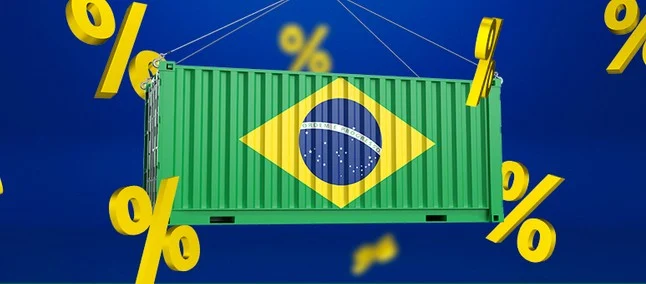
brazil exports
The main barriers identified include sanitary, technical regulations, taxes, import licensing, and sustainability

Of the US$155 billion exported to these destinations, more than US$78 billion are exposed to barriers.

Free daily brief — no card needed
Get every Brazil story in one morning email
We build you a personalized brief around the topics you follow — free for 7 days. Love it? Your first month after that is US$1.

Joelson Sampaio, Ph.D. in economic theory from the University of São Paulo (USP), explains that this figure represents 26% of the total value exported by Brazil last year.

“In 2022, of the US$155 billion in exports, more than half passed through some kind of barrier, the main ones being in the European Union, China, and Argentina, Brazil’s major trading partners.”

This ends up impacting the balance of trade and the result of companies that tend to deal with these barriers,” he explains.

The main barriers identified include sanitary, technical regulations, taxes, import licensing, and sustainability.

Pork, for example, cannot be exported to the European Union because the local authorities do not recognize the quality and efficiency of the Brazilian sanitary control system.

On the other hand, the orange juice sold to China has an import tariff of 7.5% if the product is cooled to less than 18º C.

If the temperature exceeds 18º C, the import tariff will be 7.5%. If the temperature exceeds this, the tax goes up to 15%.

The manager of Trade and International Integration at CNI, Contanza Negri, says that Brazil needs to find mechanisms to overcome these barriers and expand the market for domestic products.

“Given this scenario, CNI understands that a Brazilian strategy to identify, monitor and eliminate these barriers with the different trade partners is even more necessary.

The industrial sector hopes that the report can contribute with a proactive strategy with these trade partners in international forums and negotiations to ensure greater market access and international insertion of Brazilian exports,” says Negri.

According to Global Trade Alert, Brazil was affected by more than 9,000 trade restrictions between 2009 and 2022.

With information from Jovem Pan

This article was produced by The Rio Times’ automated AI newsroom. Editorial responsibility: Matthias Camenzind, Publisher and Editor-in-Chief. The Rio Times also runs Ask Rio Times, which answers from 100,000+ of our own articles, the daily Latin America Power Map, and prediction-market odds on elections and markets.. How we use AI · Report an error

RT
Ask Rio Times
17 years of Latin America reporting, on demand.
Open the full Ask Rio Times →
The Rio Times · Power Map
See who really holds power in Latin America
Click to open the Power Map →

Brazil runoff date: Sunday, October 25, poll closing times and when results start · Brazil runoff polls: Flávio 51%, Lula 49% · Kalshi and Polymarket odds

Rotate for Best Experience

This report is optimized for landscape viewing. Rotate your phone for the full experience.