Brazil has announced a significant plan to invest R$5.7 ($1.1) billion by 2030 to enhance its transportation sector. This investment aims to create a 3,000-kilometer corridor for Liquefied Natural Gas (LNG) transport.
Alexandre Silveira, the Minister of Mines and Energy, revealed this initiative on Tuesday. The project aligns with President Luiz Inácio Lula da Silva’s sustainable energy policy. It aims to reduce emissions from road transportation across the country.
The green corridor’s first phase will begin in 2025. It will link Santos Port, Latin America’s largest, in São Paulo state, with São Luiz Port in Maranhão state. This route stretches from the southeast to the northeast of Brazil.
Silveira highlighted the project’s importance, calling it a milestone for gas internalization in Brazil. The corridor will allow LNG transport along the entire route using LNG-powered trucks. These vehicles emit 20 to 30 percent less CO2 than traditional diesel trucks.
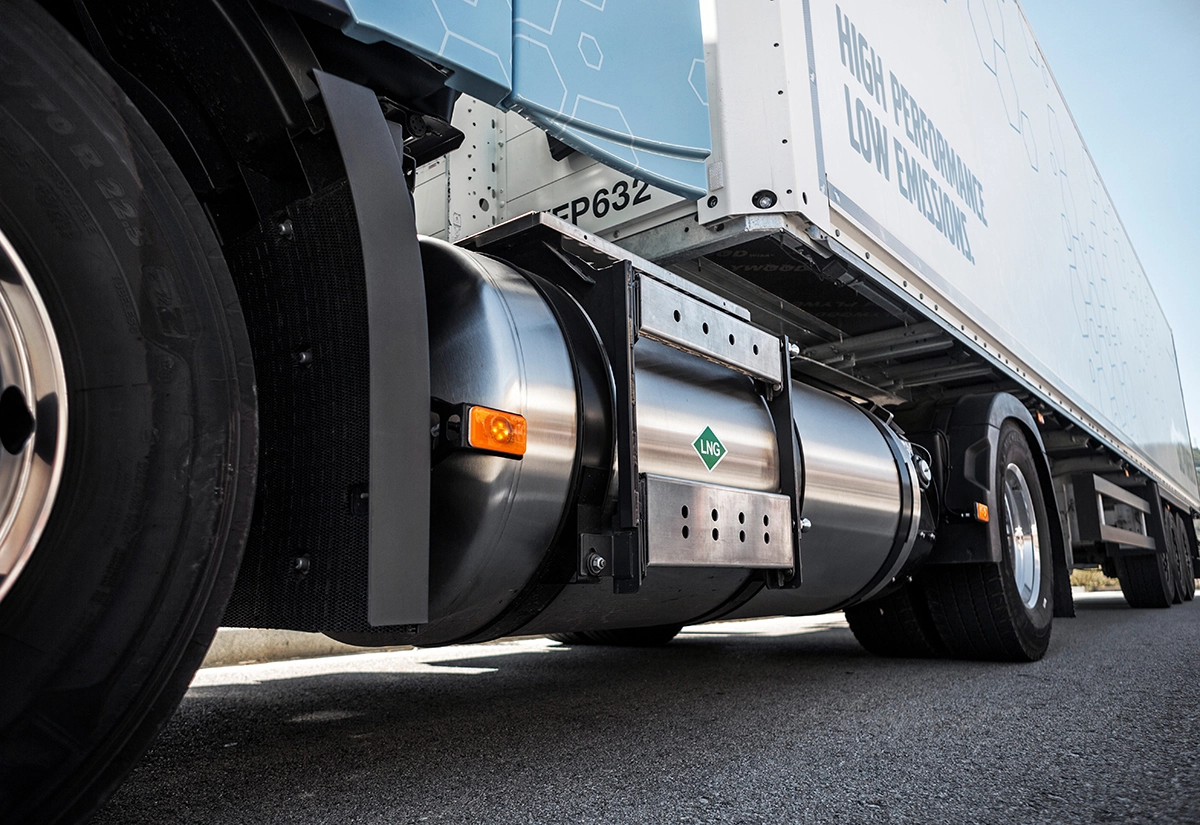
The plan expects 1,500 trucks to operate by 2026, with more growth anticipated by 2030. To support this fleet, 35 service stations will be built along the corridor. Each station will have the capacity to refuel up to 500 trucks daily.
These service stations will offer more than just refueling. They will include rest areas and food facilities for drivers. Each station will span 50,000 square meters, ensuring comfort and convenience for truckers.
Brazil Invests in LNG Truck Network: 35 Stations Planned by 2030
This project marks a notable step towards sustainable transportation in Brazil. It combines economic development with environmental awareness. The green corridor will reduce emissions while creating jobs and improving infrastructure.
Brazil’s commitment to this project shows its focus on sustainable energy solutions. It sets an example for other countries balancing economic growth with environmental responsibility. The success of this initiative could inspire similar projects elsewhere.
As the project unfolds, its impact on Brazil’s economy and environment will be worth watching. The green corridor could reshape the country’s transportation landscape. It might also encourage further innovations in sustainable energy use across various sectors.
More: Brazil news in English, every day from The Rio Times.
This article was produced by The Rio Times’ automated AI newsroom. Editorial responsibility: Matthias Camenzind, Publisher and Editor-in-Chief. The Rio Times also runs Ask Rio Times, which answers from 100,000+ of our own articles, the daily Latin America Power Map, and prediction-market odds on elections and markets.. How we use AI · Report an error