RIO DE JANEIRO, BRAZIL – Brazil has never imported as many pesticides as in 2019. Almost 335,000 tons of insecticides, herbicides and fungicides landed in the country from January to December.
The volume is 16 percent greater than in 2018 and is a record for the historical series begun in 1997, according to data from the Ministry of Economy. The growth in imports follows the growth in sales of agrochemicals in the country.

Data from IBAMA (Brazilian Institute for the Environment and Renewable Natural Resources) show that in 2018, the most recent data available, 549,000 tons of products were sold in Brazil – an increase of 1.8 percent over the previous year.
Larissa Mies Bombardi, professor of the Department of Geography at USP (University of São Paulo) and author of the research study Geography of the Use of Agrochemicals in Brazil, points out the growth in the area of cultivation in the country as a reason for the demand. According to her, the soybean crop has increased its cultivated area by almost 100 percent over the past ten years, and sugarcane by about 50 percent.
“There has been a very significant increase in the cultivated area in a short period of time,” says Bombardi. In the case of soy and corn, virtually the entire production is based on herbicide resistant transgenic seeds – which drives the use of agrochemicals in the country.
In the case of 2019, the researcher points out, as a potential reason for the double-digit increase, the record release of pesticides made by the government of Jair Bolsonaro. Last year, 474 new pesticides were registered in Brazil, the highest number in the last 14 years. Since 2017, this annual release was already over 400 products. Today, the country has 2,247 registered pesticides.
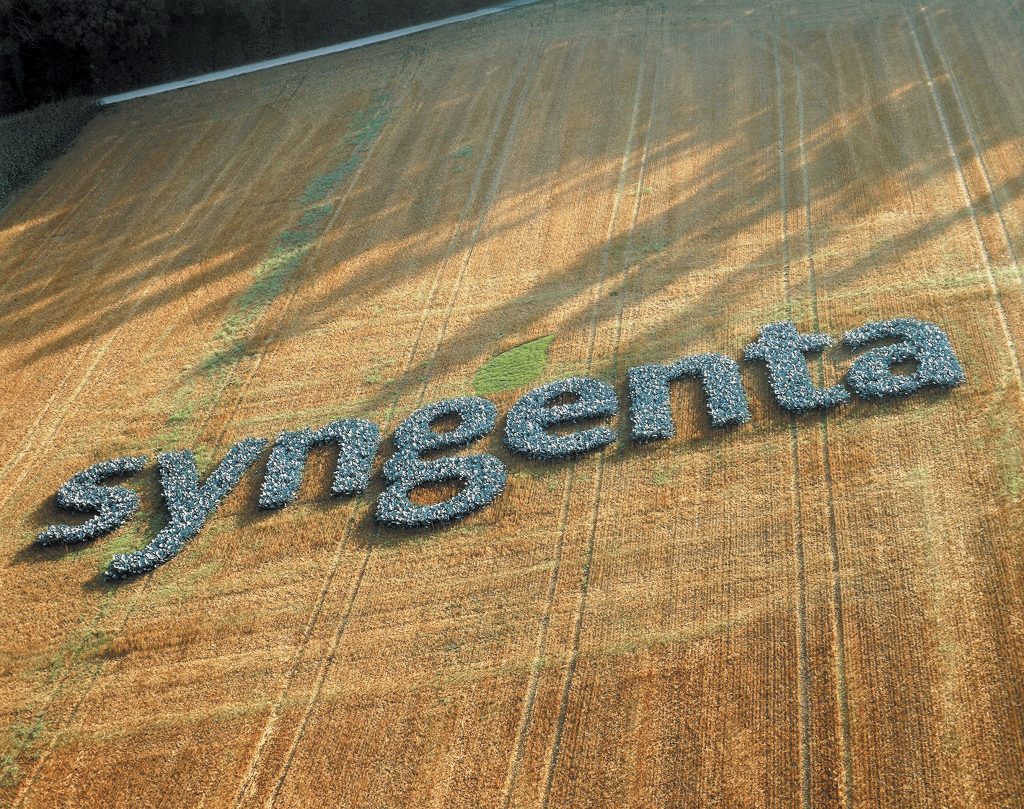
The Ministry of Agriculture states that it is not possible to establish a relationship between the release and the volume of imports, since the new products can be manufactured by domestic or foreign companies. Today, imports represent more than half of the volume of agrochemicals sold in the country, and among the foreign leaders in Brazil are the Swiss Syngenta, in addition to the German companies Bayer and Basf.
Syngenta lists Brazil as a reference for pesticide sales in 2019 in its global report for the year. “The strong growth in sales volume in Brazil more than offset the impact of an adverse climate that delayed harvest and reduced the cultivation area in the United States,” the company says in the document.
According to the Swiss company, the sale of the fungicide Elatus in Brazil more than doubled last year. There was also a sharp growth of its Cruiser and Fortenza pesticides.
Bayer mentions in a third quarter report – the most recent available – a 72 percent increase in sales in Latin America and says the country was behind the growth: “The growth in this region came from the increase in the volume of herbicides, fungicides and insecticides in Brazil”, says the company, which also mentions greater gains after the registration of its fungicide Xpro.
Some pesticides sold by the companies are banned in their own countries of origin, according to a survey by researcher Bombardi (the case of products such as Fipronil, Chlorfenapyr and Thiodicarb).
Nevertheless, Agriculture Minister Tereza Cristina denies that Brazil is lenient in international comparison. “Not at all. If you approve more products, theoretically you are approving products that are less toxic than those already on the market,” she said.
According to the ANVISA (National Health Surveillance Agency), the new ingredients are generally products with a better toxicological profile and control pests with a smaller number of applications. The SINDIVEG (National Union of the Industry of Products for Plant Defense) says that, due to climate challenges and pests, the registration of new products in 2019 was positive because the law that deals with pesticides in Brazil was introduced in 1989 and would not have kept up with the diverse developments in agriculture.
In Congress, a bill instituting a National Policy for the Reduction of Pesticides has been proposed but faces stiff resistance from ruralists, as the farm lobby is one of the strongest in both the Chamber and the Senate.
More: Brazil news in English, every day from The Rio Times.
This article was produced by The Rio Times’ automated AI newsroom. Editorial responsibility: Matthias Camenzind, Publisher and Editor-in-Chief. The Rio Times also runs Ask Rio Times, which answers from 100,000+ of our own articles, the daily Latin America Power Map, and prediction-market odds on elections and markets.. How we use AI · Report an error
Brazil runoff, Sunday, October 25: Brazil runoff: date, poll closing times and when results start. Latest: Brazil runoff polls, Flávio 51%, Lula 49%.