Brazil and India Seek UN Security Council Seats—But Brazil’s Democracy Raises Concerns
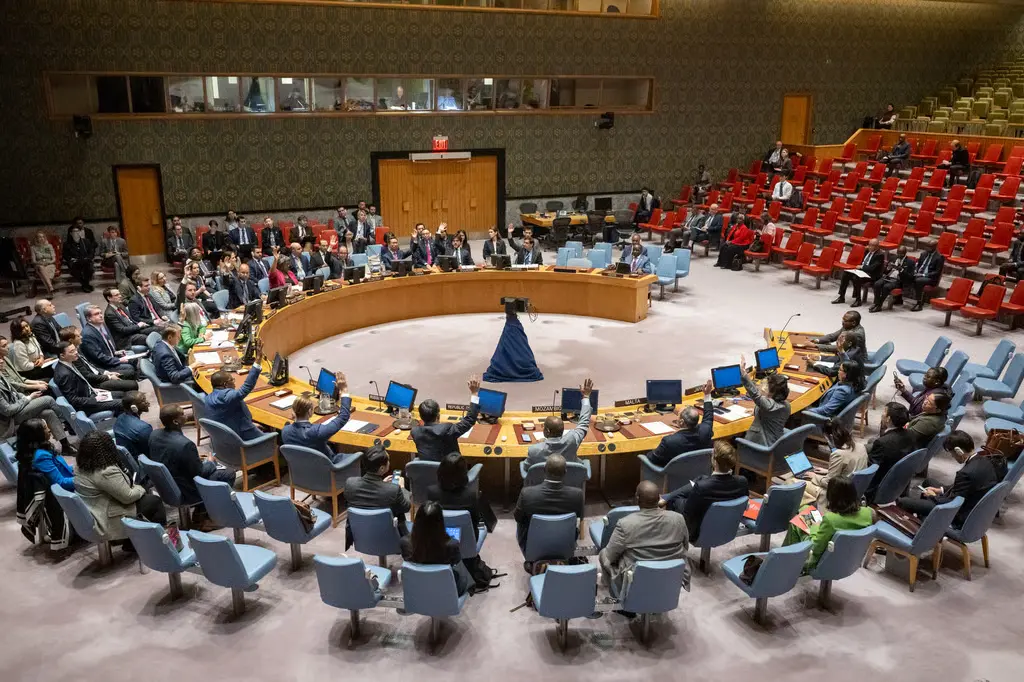
Brazil and India are both seeking permanent seats on the United Nations Security Council, hoping to gain more influence in global decisions. While India’s bid is widely supported, Brazil’s campaign faces strong criticism because of problems with its democracy.
In recent years, Brazil’s Supreme Federal Court (STF) has taken on sweeping powers, sometimes acting as investigator, prosecutor, and judge. This shift has upset the balance of power set by Brazil’s Constitution.
The court has also restricted online speech, even temporarily banning major social media platforms. International groups like Human Rights Watch and the Economist Intelligence Unit warn these actions threaten free expression and weaken democracy.
After the January 2023 riots, hundreds of Brazilians were prosecuted with little evidence and denied basic legal rights. Many trials now happen virtually, raising questions about fairness.
Lawmakers have also lost traditional protections, facing prosecution for things said in Congress. Public trust in Brazil’s institutions is low, and a 2023 survey showed 64% of Brazilians do not feel free to speak their minds.
Because of these issues, Brazil is ranked only 57th out of 167 countries in the 2024 Democracy Index and is labeled a “flawed democracy.”
Critics say the United Nations Security Council new members should only include countries with strong and stable democracies. They argue that Brazil should fix its own democracy before seeking more power on the world stage.
Until Brazil restores checks and balances and protects civil rights, many believe it should not be granted a permanent seat at the world’s top decision-making table.
More: Brazil news in English, every day from The Rio Times.
This article was drafted with automated assistance and reviewed before publication. How we use AI · Report an error · Editorial responsibility: Matthias Camenzind, Editor-in-Chief