Asia Intelligence Brief — Saturday, October 10, 2026
Executive Summary
Asia Intelligence Brief for October 10: Delhi lockdown and internet blackout over electoral protest; Chinese scholars stir Batanes sovereignty row.
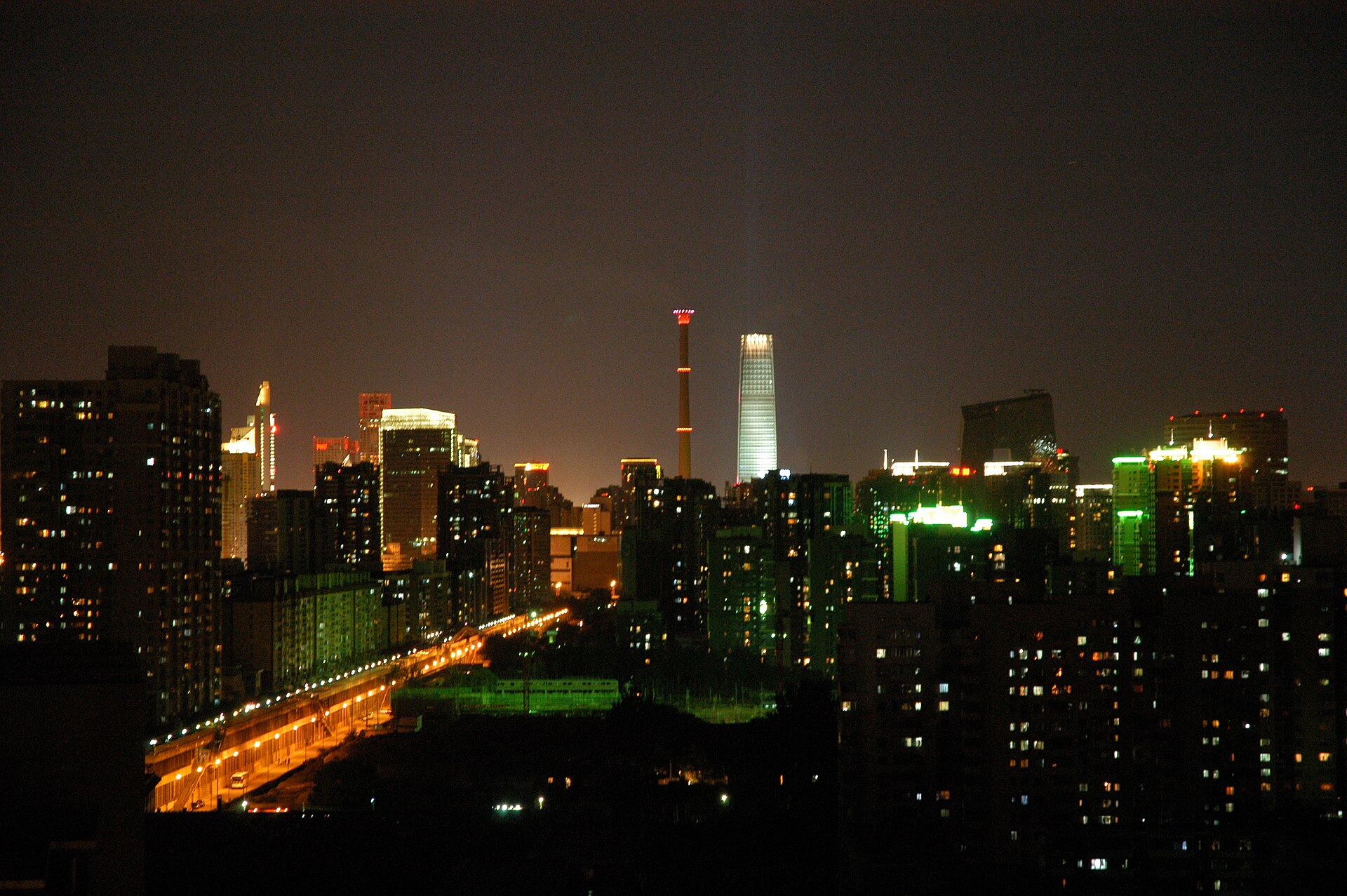
Asia’s temper this Saturday is one of enforced stillness. In Delhi, the state has turned the capital into a controlled zone, with tens of thousands of police, shuttered metro gates and suspended internet access to prevent a protest demanding the resignation of India’s Chief Election Commissioner. The mood is not one of open revolt, but of a society being physically and digitally separated from its own political argument.
The register is administrative and pre-emptive. Delhi Police cited short notice and previous protest-condition violations when denying permission for the demonstration, while the Union Home Secretary directed states to help prevent a breach of public order, The Indian Express reported on 10 October. Leaders are speaking the language of security and procedure, even as opposition figures describe the measures as suppression.
The through-line is the conversion of political anxiety into control. India is treating an electoral-roll dispute as a critical-infrastructure threat, while in the South China Sea a historical claim about the Batanes islands has stirred Philippine territorial alertness without Beijing ever making an official statement. Both cases show how unresolved legitimacy questions can quickly become security operations.
Key Facts
—Delhi lockdown. 25,000 police deployed and 45 metro stations closed for a denied protest on 10 October.
—Internet blackout. Mobile internet blocked for 24 hours within four kilometres of Janpath–Kartavya Path until 22:00 Saturday.
—Mass detentions. Approximately 150 protesters were detained at various locations.
—Rail cancellations. Northern Railway cancelled 245 trains originating or terminating at Delhi stations until 14:00.
—Batanes claim. Chinese scholars suggested the Philippine islands were historically part of Taiwan, SCMP reported 10 October.
India: Defensiveness Hardens Into Confrontation
The scale of Delhi’s security operation reveals a government that sees dissent over electoral integrity as a threat to public order rather than a political challenge to be debated. The Cockroach Janta Party and allied student groups had planned a demonstration at Jantar Mantar demanding Chief Election Commissioner Gyanesh Kumar’s resignation over alleged irregularities in the Special Intensive Revision of electoral rolls. Delhi Police denied permission, citing short notice and protest-condition violations, The Indian Express reported on 10 October.
The preventive measures went far beyond the protest site. Northern Railway cancelled 245 trains, restrictions affected 30 traffic locations, and nearly 600 low-floor buses were prepared for moving detained protesters. Jammu and Kashmir Chief Minister Omar Abdullah accused the government of exporting the “Kashmir model” to the capital, The Indian Express reported on 10 October. For a US reader, the episode shows how quickly an electoral-roll dispute can become a national security operation in the world’s largest democracy.
The register is one of institutional defensiveness. The state is not negotiating with the protesters; it is containing them, and the silence imposed by the internet blackout means the public argument is being conducted in fragments and rumours.
Philippines And China: Historical Claims, Strategic Waters
A discussion by Chinese scholars about whether the Batanes islands were historically part of Taiwan, and therefore in their argument part of China, has triggered controversy in the Philippines. The remarks arose at a 30 June academic discussion at Jinan University in Guangzhou and were not presented as an official Beijing claim, the South China Morning Post reported on 10 October. The islands’ position along the Bashi Channel makes the subject strategically sensitive, as the channel is regarded as a route between China and the Pacific.
The Philippine reaction is one of territorial alertness. A historical claim involving the country’s northernmost province was presented as politically provocative amid wider South China Sea tensions. For a US reader, the episode illustrates how academic discourse in China can become a diplomatic irritant even without official endorsement, especially when it touches maritime chokepoints.
The register is one of controlled ambiguity on the Chinese side and sharp sensitivity on the Philippine side. Beijing has not adopted the claim, but the fact that it circulates in scholarly settings is enough to raise Manila’s guard.
South Korea: Sporting Nationalism Offers A Counterpoint
Away from the security and sovereignty tensions, the Asian Games provided a moment of competitive sporting nationalism. Indian archer Kumkum Mohod, aged 17, from Amravati won two gold medals and one silver, including individual and team recurve archery golds after defeating South Korean opponents, The Indian Express reported on 10 October. The result matters because South Korea has long been the dominant force in recurve archery.
For a US reader, the sporting result is a reminder that Asian rivalries are not only geopolitical. They are also played out in arenas where national pride is at stake, and an Indian teenager beating South Korean archers is a story of shifting confidence. The register here is celebratory and proud, a sharp contrast to the defensive tone in Delhi.
What This Means From Latin America
The most direct channel for Latin America is the reminder that political instability in Asia can disrupt global supply chains and diplomatic alignments. India’s internal crisis over electoral legitimacy does not immediately touch Latin American trade, but a prolonged period of political confrontation in the world’s most populous country would eventually affect investor confidence and the broader Indo-Pacific economic architecture that several Latin American governments are trying to engage.
The Batanes controversy is more directly relevant to Latin America’s maritime interests. The Bashi Channel is a critical passage for shipping between the Pacific and East Asia, and any escalation of territorial disputes there would affect global trade routes. Latin American exporters of copper, soy and other commodities depend on the stability of these sea lanes, even if the dispute itself is far from their shores.
What We Are Watching
- Saturday 10 October, 14:00 Lisbon time: Delhi rail services — The reported end of cancellations affecting trains connected with New Delhi and Hazrat Nizamuddin stations. Restoration will show whether the state is confident enough to ease movement.
- Saturday 10 October, 18:00 Lisbon time: Delhi metro access — The reported end of entry and exit closures at 45 metro stations. Reopening will test whether the protest threat has passed or been contained.
- Saturday 10 October, 22:00 Lisbon time: Delhi internet blackout — The reported end of the central-Delhi mobile-internet blockade. The restoration of connectivity will shape how the day’s events are narrated and contested.
- Monday 12 October, 11:30 Lisbon time: India inflation rate — The September reading is forecast at 4.9 per cent, up from 4.82 per cent. A rise would add economic pressure to an already tense political moment.
- Tuesday 13 October, 01:30 Lisbon time: Australia NAB business confidence — The September figure is forecast at -9, down from -8.
- Wednesday 14 October, 02:30 Lisbon time: China inflation rate — September consumer inflation is forecast at 0.3 per cent, down from 0.4 per cent.
Background: The India–China border pact, explained.
Frequently Asked Questions
Why did Delhi impose a security lockdown on 10 October?
Delhi Police deployed 25,000 personnel and closed 45 metro stations to prevent a planned protest demanding the resignation of Chief Election Commissioner Gyanesh Kumar. The protest by the Cockroach Janta Party and allied student groups had been denied permission over security, notice and previous-condition concerns, The Indian Express reported on 10 October.
What restrictions were imposed in Delhi?
Mobile internet was blocked for 24 hours within a four-kilometre radius of Janpath–Kartavya Path, and Northern Railway cancelled 245 trains originating or terminating at Delhi stations. Nearly 600 low-floor buses were prepared for moving detained protesters.
What is the Batanes islands controversy?
Chinese scholars at a 30 June academic discussion at Jinan University in Guangzhou suggested the Batanes islands were historically part of Taiwan and therefore part of China. The remarks were not presented as an official Beijing claim, but they triggered controversy in the Philippines because of the islands’ strategic position along the Bashi Channel, the South China Morning Post reported on 10 October.
Who is Kumkum Mohod?
Kumkum Mohod is a 17-year-old Indian archer from Amravati who won two gold medals and one silver at the 2026 Asian Games. She defeated South Korean opponents in the individual and team recurve archery events, The Indian Express reported on 10 October.
This article was produced by The Rio Times’ automated newsroom system. How we use AI · Report an error · Editorial responsibility: Matthias Camenzind, Editor-in-Chief
LatAm Markets: Live Signals → — real-time movers, turnover leaders and FX across Latin America.