Argentina Dollar Tax: Economist Santángelo Floats Levy on Savings, Travel
ARGENTINA · ECONOMY
Key Facts
- —What happened Economist Rodolfo Santángelo proposed taxing dollars bought for savings and foreign travel in a TV interview reported on 29 September 2026.
- —Status It is a private proposal with no rate or revenue estimate, and the government has not taken it up.
- —The numbers Individuals bought a net US$2.463 billion in dollar banknotes in August 2026, according to the Central Bank of Argentina.
- —The catch A value-added tax or a new levy on dollars would need a law passed by Argentina’s Congress.
- —For residents Nothing changes for now: buying dollars for savings carries no tax, and card spending abroad keeps its 30% advance charge.
An Argentina dollar tax on savings and holiday spending abroad is back in debate after a well-known economist floated it. The government has not adopted it.
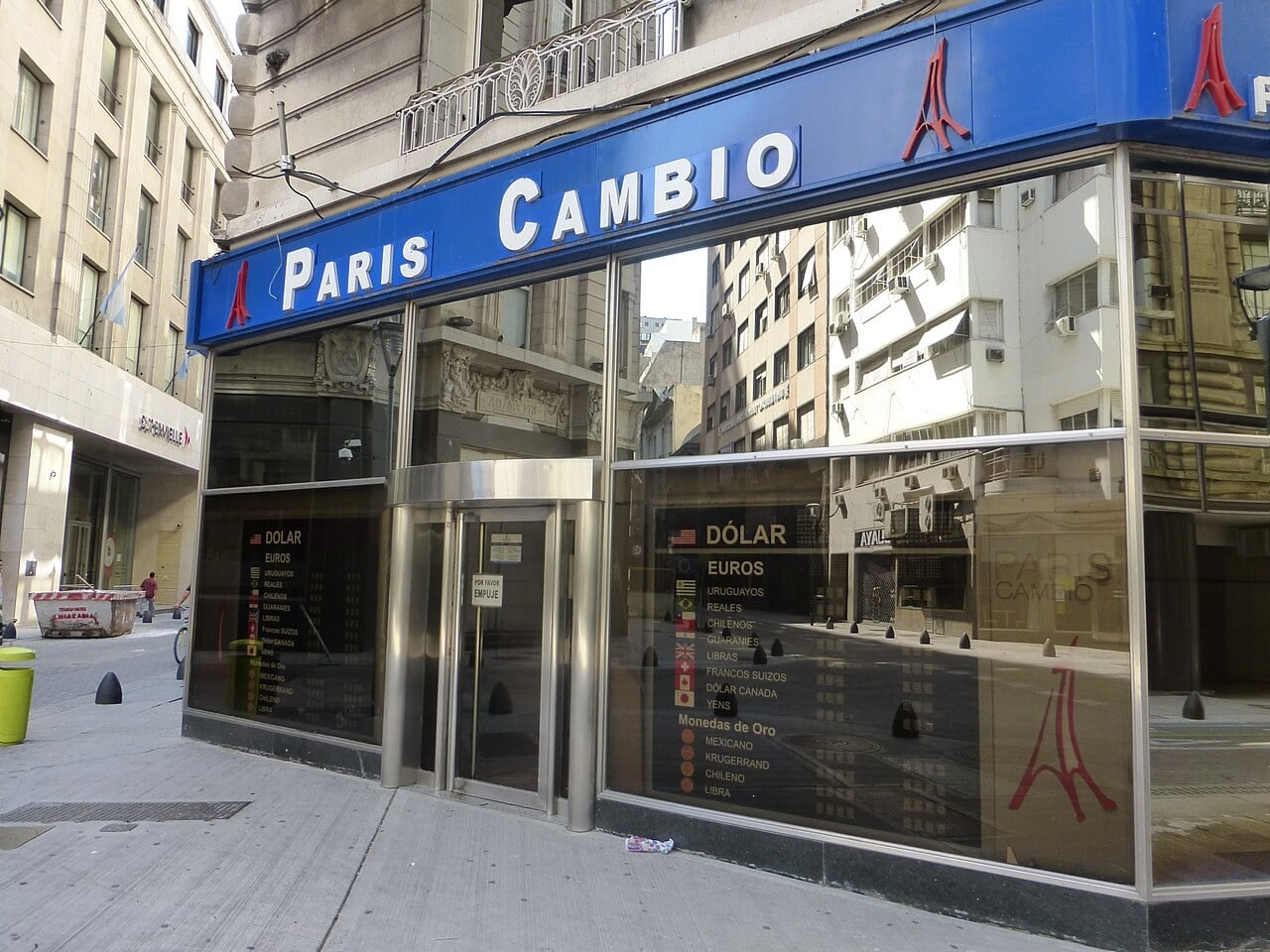
Argentine economist Rodolfo Santángelo has proposed a tax on the dollars that individuals buy for savings and for travel abroad. The idea, aired in a television interview reported on 29 September 2026, is a personal proposal, not government policy.
An economist asks why only dollars go untaxed
Santángelo is a partner at MacroView, a Buenos Aires consultancy he runs with economist Carlos Melconian. He made the case on the streaming channel Ahora Play, the business daily El Economista reported.
His complaint is about fairness between holidays at home and abroad. “Why is going to Punta Cana the only thing that pays no tax?” he asked.
A hotel in Argentine beach towns such as Mar Chiquita charges value-added tax and a provincial turnover tax, he said. A trip to the Caribbean, paid in dollars, does not.
“Why do I pay taxes on everything except buying dollars?” he added.
What exactly he proposed
The levy would apply only to dollars bought for personal savings, hoarding and tourism abroad. Currency trades linked to business and production would stay untaxed.
Asked what kind of tax he had in mind, he answered: “Any”. The options raised were a value-added tax (VAT) on dollars, a surcharge like the former PAIS tax, or an income-tax advance.
He did not name a rate or estimate the revenue. He also left open which operations would be covered and how the tax would be collected.
He would use the money to cut value-added tax on food or to fund transfers to households. “The fiscal surplus is non-negotiable,” he said.
His logic is monetary. If savers buy fewer dollars, he argued, the state or central bank should buy them “and leave the pesos on the street”.
Why dollar buying is on the agenda
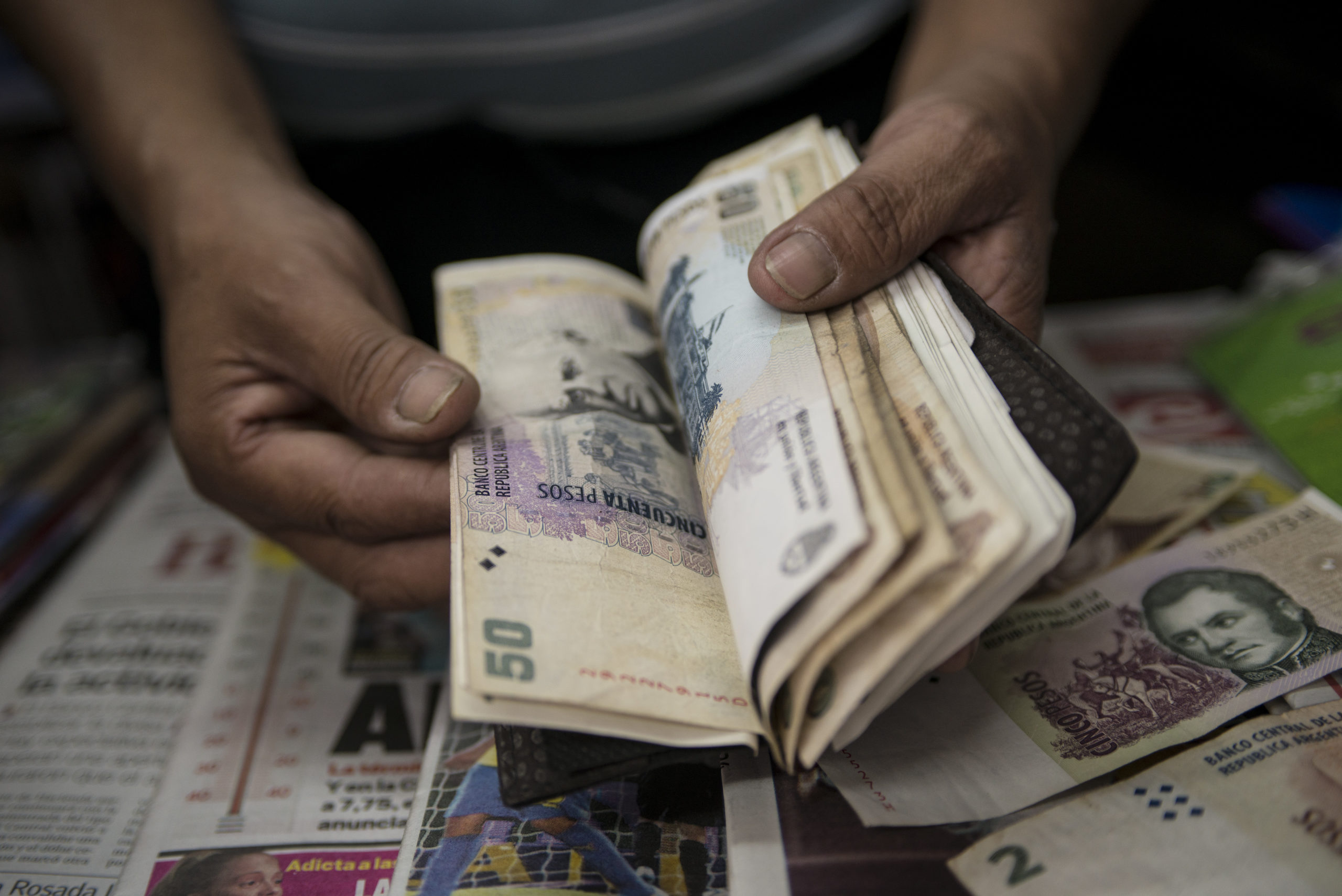
For generations, Argentines have saved in US dollars to protect themselves from inflation and devaluation. That habit shows up clearly in official data.
Individuals bought a net US$2.463 billion in dollar banknotes in August 2026, the Central Bank of Argentina (BCRA) reported. About 1.7 million people bought dollars that month.
Travel is a second channel. The BCRA estimates a net outflow of US$464 million in August on travel and passenger tickets.
The official exchange rate stood at about 1,525 pesos per US dollar on 29 September 2026.
A tax Argentina has tried before
The PAIS tax, created by law in December 2019, added a surcharge on dollar buying and card spending abroad. It expired at the end of 2024.
A 30% advance payment on income tax ran alongside it. In April 2025, President Javier Milei’s government lifted most currency controls, known as the “cepo”.
At the same time the tax agency ARCA dropped the 30% charge on savings purchases.
The charge still applies to card spending abroad, travel and tickets, the BCRA says. Yet the BCRA estimates that about 70% of such spending is paid directly with dollars customers already hold.
Those dollars, mostly bought as banknotes, carry no charge. That is the gap Santángelo points to.

How feasible the idea is
The route matters. The advance payment on income tax was switched off in April 2025 by ARCA through a resolution, not by a law.
A value-added tax on dollars or a new levy like the PAIS tax would be new national taxes. Under Argentina’s constitution, those require a law passed by Congress.
Milei’s party does not hold a majority in Congress. The government has not commented on the proposal.
Since 2025, it has removed surcharges on savings dollars rather than adding new ones.
The case against
Not all purchased dollars leave the system. The BCRA estimates that about US$1.1 billion of August’s net purchases stayed in local bank deposits, where banks can lend them.
A tax on new purchases would also miss the dollars Argentines already hold. Travellers paying abroad with banknotes bought earlier would face no charge.
History offers a further caution. Between 2019 and 2025, surcharges and controls ran alongside a parallel “blue” market, where the dollar traded well above the official rate.
The gap he describes is real. Argentine hotels charge taxes that Argentina does not collect on a holiday abroad paid in cash dollars.
What it means for residents and investors
For now nothing changes. Buying dollars for savings through banks carries no tax, and card spending abroad keeps its 30% advance charge on income tax.
Any new charge would have to come through an ARCA resolution or a law in Congress. Both are public steps that residents and investors can follow.
More: Argentina news, every day from The Rio Times.
Frequently Asked Questions
Is Argentina taxing dollar purchases now?
No. Since April 2025, individuals can buy dollars for savings without a tax surcharge. Card spending abroad, travel and tickets still carry a 30% advance payment on income tax.
Who proposed the Argentina dollar tax?
Economist Rodolfo Santángelo, a partner at the consultancy MacroView, proposed it. His television interview was reported on 29 September 2026, and he did not set a rate.
Could the government impose it quickly?
A value-added tax or a levy like the old PAIS tax would need a law from Congress. An income-tax advance is set by the tax agency ARCA, which removed the one on savings dollars by resolution in 2025.
Sources: El Economista · Central Bank of Argentina (BCRA) · Government of Argentina / ARCA
In depth
Read More from The Rio Times