Analysis: Argentina’s soybean industry, facing a dangerous stagnation
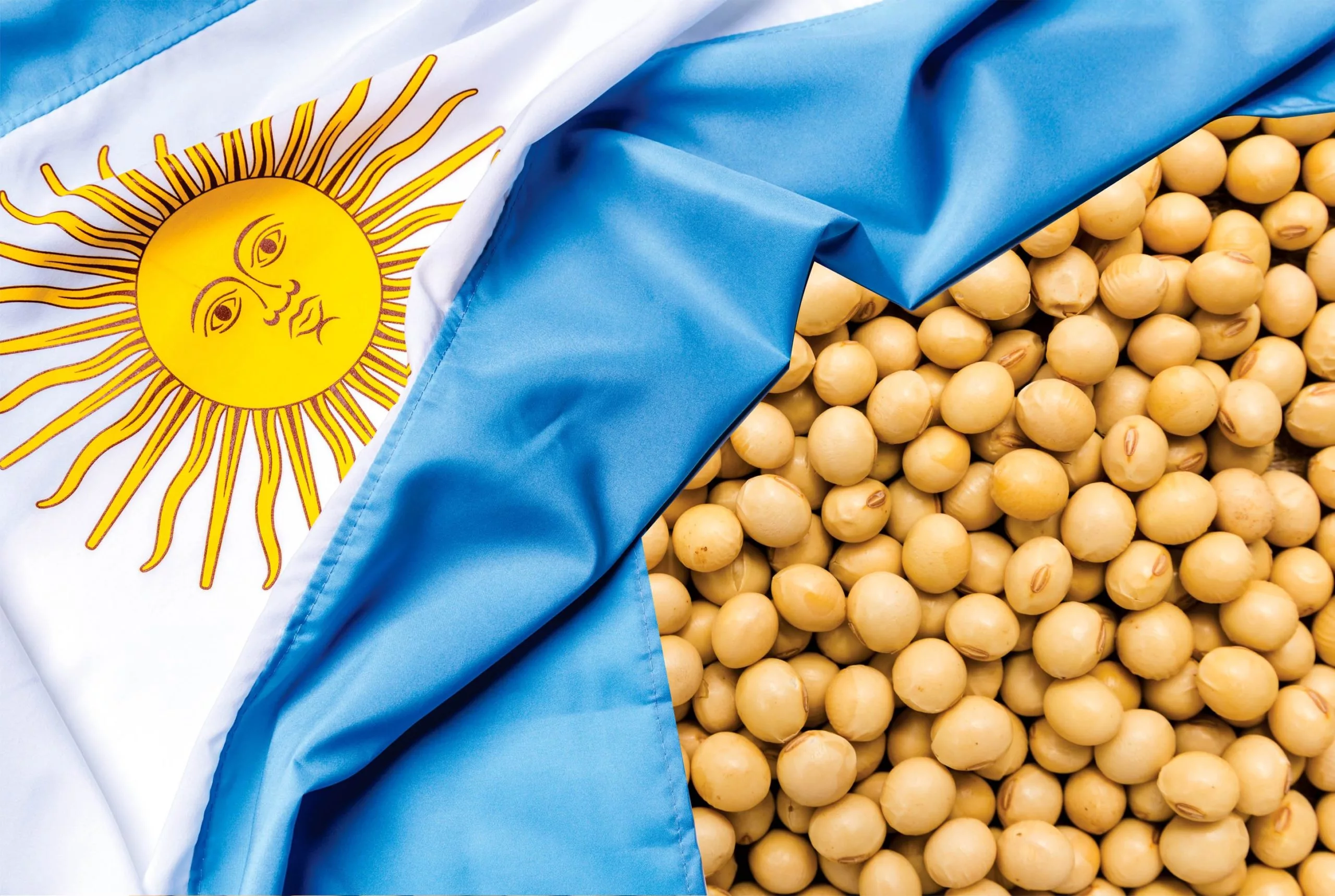
RIO DE JANEIRO, BRAZIL – The world continues to increase its demand for vegetable proteins, especially those with high yields and low prices, such as soybean and soybean meal, where our country is the world’s leading supplier of this protein meal. However, in the last ten years, soybean production in Argentina has fallen by 9%, from 50 million to 44 million tons.
In the same period, Brazil was the country with the highest increase in its production, an increase of 69 million tons, 91%, from 75 to 144 million tons. Meanwhile, soybean production in the United States increased by 28 million tons, equivalent to 31%, from 91 million to 119 million. In other words, our competitors grew and took all the wealth generated by this growing demand.
Read also: Check out our coverage on Argentina
On the other hand, the stagnation of Argentine soybean production in the last decade was accompanied by a stagnation in the volume of soybean processed in the country, i.e., less employment, less added value, and less foreign currency. In 2010, Argentina processed 36 million tons, while a decade later, by 2022, the volume is projected to be practically the same.
The United States increased its milling by 14 million tons, 32%, from 45 million to 59 million tons in the same period. Brazil increased its milling by 10 million tons, 28%, from 37 million to 48 million tons.
Argentina had a very slight increase in its soybean meal production, supported by the temporary import of soybeans from Paraguay, which allowed it to maintain domestic employment, industry experts, and foreign currency income.
Additionally, in the last ten years, crushing increased by around 17 million tons in the buyer countries, that is to say, the industry is moving from the producer countries to the buyer countries, and this will mean less foreign currency for Argentina and a fall in employment.
There is now a new economic phenomenon generated by the fight against climate change. The United States has launched its second-generation biofuels industry, gradually replacing fossil fuels. This is HVO, hydrogenated biodiesel made from carbon-neutral soybean oil, which has the very competitive quality and price conditions and is generating billions of dollars of investment from the oil industry and the oil industry in the United States.
DEVIANT PATHS
While in Argentina, biodiesel gets punished with an anti-climate change law, in the world, it is rewarded. Each additional ton of soybean oil that the United States produces for HVO will have 4 tons of soybean meal exported to the world. The increased U.S. production will hurt the first national export product, displace Argentina from international markets, and cause the price of Argentine soybean meal to fall. Less foreign currency for the country, less national economic growth due to the lack of dollars.
If Argentina had followed the world soybean production growth rate, today we would be producing more than 70 million tons per year. We would have generated additional foreign currency in a similar amount to the foreign debt we have with the IMF. We did not do that, but we are facing a new threat. Are we going to continue as observers, or will we react?
The soybean chain (Acsoja) is promoting a plan to reach 70 million tons of oilseed in a few years; for that, we must take three actions: lower the tax burden to produce more and generate more foreign exchange and fiscal income, without state intervention in exports (fewer retentions, more exports), issue regulations that allow the capture of value from the innovation of new soybeans with better genetics and biotechnology (like Brazil, Paraguay and Uruguay have), and an export infrastructure plan (trains and access to ports, including a prompt tender to deepen the Hidrovia).
More: Argentina news in English, every day from The Rio Times.
This article was produced by The Rio Times’ automated AI newsroom. Editorial responsibility: Matthias Camenzind, Publisher and Editor-in-Chief. The Rio Times also runs Ask Rio Times, which answers from 100,000+ of our own articles, the daily Latin America Power Map, and prediction-market odds on elections and markets.. How we use AI · Report an error