AMD and Intel Join Forces to Revitalize x86 Architecture in the A.I. Era
In a surprising move, longtime rivals AMD and Intel have announced a partnership to form the x86 Ecosystem Advisory Group. This collaboration aims to strengthen the x86 chip architecture’s position in the rapidly evolving artificial intelligence (AI) landscape.
The announcement took place at Lenovo’s annual Tech World event in Washington, D.C., where AMD CEO Lisa Su and Intel CEO Pat Gelsinger shared the stage. The x86 architecture, developed by Intel in 1978, has been the backbone of modern computing for over four decades.
However, it has faced increasing competition from ARM-based designs in recent years. This partnership seeks to address these challenges and ensure the continued relevance of x86 in the AI era.
The newly formed advisory group includes not only AMD and Intel but also major tech companies like Microsoft, Dell, HP, Lenovo, Google, Meta, Oracle, and others. Linux creator Linus Torvalds and Epic Games CEO Tim Sweeney have also joined the initiative.
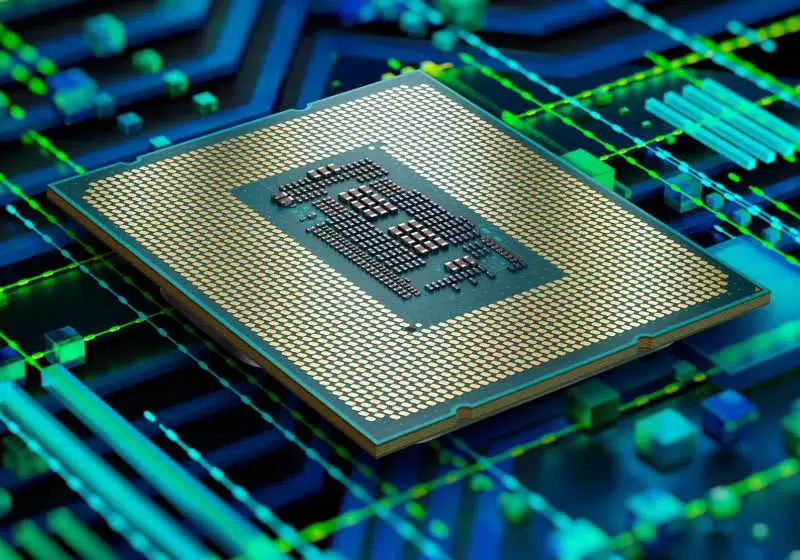
The group’s primary goal is to enhance the x86 instruction set architecture, focusing on compatibility and consistency across various product offerings. This collaboration comes at a critical time for the semiconductor industry.
The AI boom has created unprecedented demand for specialized chips, with Gartner predicting global AI semiconductor revenues to reach $71 billion in 2024. NVIDIA currently dominates this market with an estimated 70% share, while Intel and AMD have been working to catch up.
The partnership between AMD and Intel reflects the changing dynamics of the tech industry. Both companies recognize the need to adapt to the growing influence of AI and the challenges posed by ARM architecture.
By joining forces, they hope to accelerate the growth of x86 in the AI era and simplify software development for new AI workloads.
AMD and Intel Join Forces to Revitalize x86 Architecture in the A.I. Era
However, the collaboration faces several challenges. Market uncertainty and concerns about a potential AI chip bubble loom over the industry. Additionally, geopolitical factors and trade restrictions, particularly between the US and China, may impact the global semiconductor market.
Despite these challenges, the formation of the x86 Ecosystem Advisory Group represents a significant step for the industry. It demonstrates a willingness to collaborate in the face of common challenges and evolving technologies. The success of this initiative could play a crucial role in shaping the future of computing architecture.
As the tech industry watches this partnership unfold, questions remain about its long-term impact. Will this collaboration help x86 maintain its relevance in the face of emerging technologies?
Can Intel and AMD effectively compete with NVIDIA’s dominance in the AI chip market? The answers to these questions will likely shape the future of computing and AI development for years to come.
More: Brazil news in English, every day from The Rio Times.
This article was produced by The Rio Times’ automated newsroom system. How we use AI · Report an error
LatAm Markets: Live Signals → — real-time movers, turnover leaders and FX across Latin America.
Read More from The Rio Times