Aging Brazilian Leader’s Health Struggles Cast Shadow Over Political Future
Brazilian President Luiz Inácio Lula da Silva, 79, faces renewed scrutiny over his capacity to govern after being diagnosed with labyrinthitis, an inner ear disorder causing vertigo.
The incident, confirmed by medical bulletins from Brasília’s Sirio-Libanes Hospital, forced him to cancel his official agenda and rest at the presidential residence.
This marks his third major health crisis in 18 months, raising questions about his endurance ahead of a potential 2026 re-election bid. Lula’s medical history reveals a pattern of vulnerabilities.
A bathroom fall in October 2024 caused a cranial hemorrhage requiring emergency surgery, followed by a December 2024 intracranial bleed necessitating two additional procedures.
Despite a January 2025 CT scan clearing him for travel, balance issues persisted, culminating in this week’s labyrinthitis diagnosis. Chronic conditions—hypertension, 2011 throat cancer, and a 2023 hip replacement—compound these acute episodes.
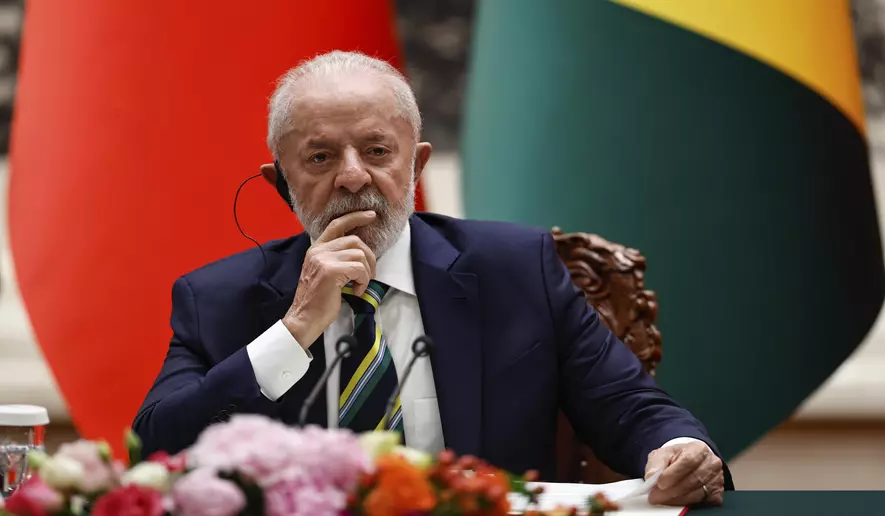
Lula’s Health and Brazil’s Economic Crossroads
The political stakes are stark. Lula’s Workers’ Party (PT) relies on his leadership to counter resurgent right-wing movements, particularly followers of former President Jair Bolsonaro.
Yet his health struggles coincide with Brazil’s fragile economic pivot: 2024 saw 3.4% GDP growth but also a 12.25% interest rate, a record currency devaluation, and inflation pressures from expansive fiscal policies.
Markets eye Vice President Geraldo Alckmin, a centrist, as a stabilizing force should Lula step down. Business analysts note that prolonged uncertainty could deter investment.
The real has already fluctuated amid concerns about fiscal discipline, with Lula’s administration prioritizing social spending over austerity. A 2025 cabinet reshuffle targeting centrist alliances signals attempts to bolster governance credibility ahead of COP30 and BRICS summits.
For now, Lula maintains public confidence, resuming international trips to China, Russia, and Japan post-recovery. Yet each health setback fuels speculation about succession.
With 2026 elections looming, Brazil’s political and economic trajectories hinge on an aging leader’s resilience—and his party’s ability to plan beyond his storied legacy.
More: Brazil news in English, every day from The Rio Times.
This article was produced by The Rio Times’ automated newsroom system. How we use AI · Report an error · Editorial responsibility: Matthias Camenzind, Editor-in-Chief