Cartel War Kills Ex-Mayor, 9 Others in Mexico’s Zacatecas
Mexico · Defense
Key Facts
—Victims Ten people killed across Pánuco, Morelos, and Sain Alto municipalities on July 18, 2026.
—Identities Dead included ex-mayor Ignacio Castrejón Valdez, public servants, businessmen, ranchers, and a firefighter.
—Claim A video by armed men identifying as Los Mayos, a Sinaloa Cartel faction, claimed responsibility on July 21.
—Deployment Roughly 400–500 federal and state personnel, including 100 special forces, reinforced the area.
—Conflict The state is a battleground between the Jalisco New Generation Cartel (CJNG) and the Sinaloa Cartel.
A wave of violence across Zacatecas left ten people dead on Saturday, July 18, 2026, triggering a major deployment of federal and state security forces across the north-central Mexican state.
A coordinated attack across three towns
Authorities discovered the bodies in the municipalities of Pánuco, Morelos, and Sain Alto, a cluster of communities in a region long plagued by organized crime. Five men were found hanging from a bridge near Pánuco around dawn, a brutal public display designed to maximize terror among the local population.
The dead included former Pánuco mayor and businessman Ignacio Castrejón Valdez, a figure well-known in local commerce and politics. The other victims were a cross-section of the community: public servants, ranchers, businessmen, and a firefighter, underscoring how cartel violence now touches every layer of society.
Eight victims died from asphyxiation or strangulation, while two suffered gunshot wounds. The mix of execution methods suggests a deliberate, organized operation rather than a spontaneous outbreak of fighting.
Why Zacatecas is a cartel battleground
Zacatecas holds strategic value for organized crime because of its highways, which connect drug-producing regions on the Pacific coast to the US border. For foreign investors and expats, this geography explains why a colonial-era mining state known for its silver and UNESCO-listed capital has become one of Mexico’s most violent regions.
The state has become a primary theater for the bloody conflict between the Jalisco New Generation Cartel (CJNG) and the Sinaloa Cartel. Both groups fight for control of trafficking routes and local criminal economies, including extortion, which increasingly targets legitimate businesses, ranchers, and even municipal governments.
On Tuesday, July 21, a video circulated showing armed, masked men identifying themselves as Los Mayos—a faction of the Sinaloa Cartel—claiming responsibility for the killings. The public claim points to a fracturing within the Sinaloa organization itself, where internal rivalries can prove just as deadly as the war with the CJNG.
A troop surge and its limits
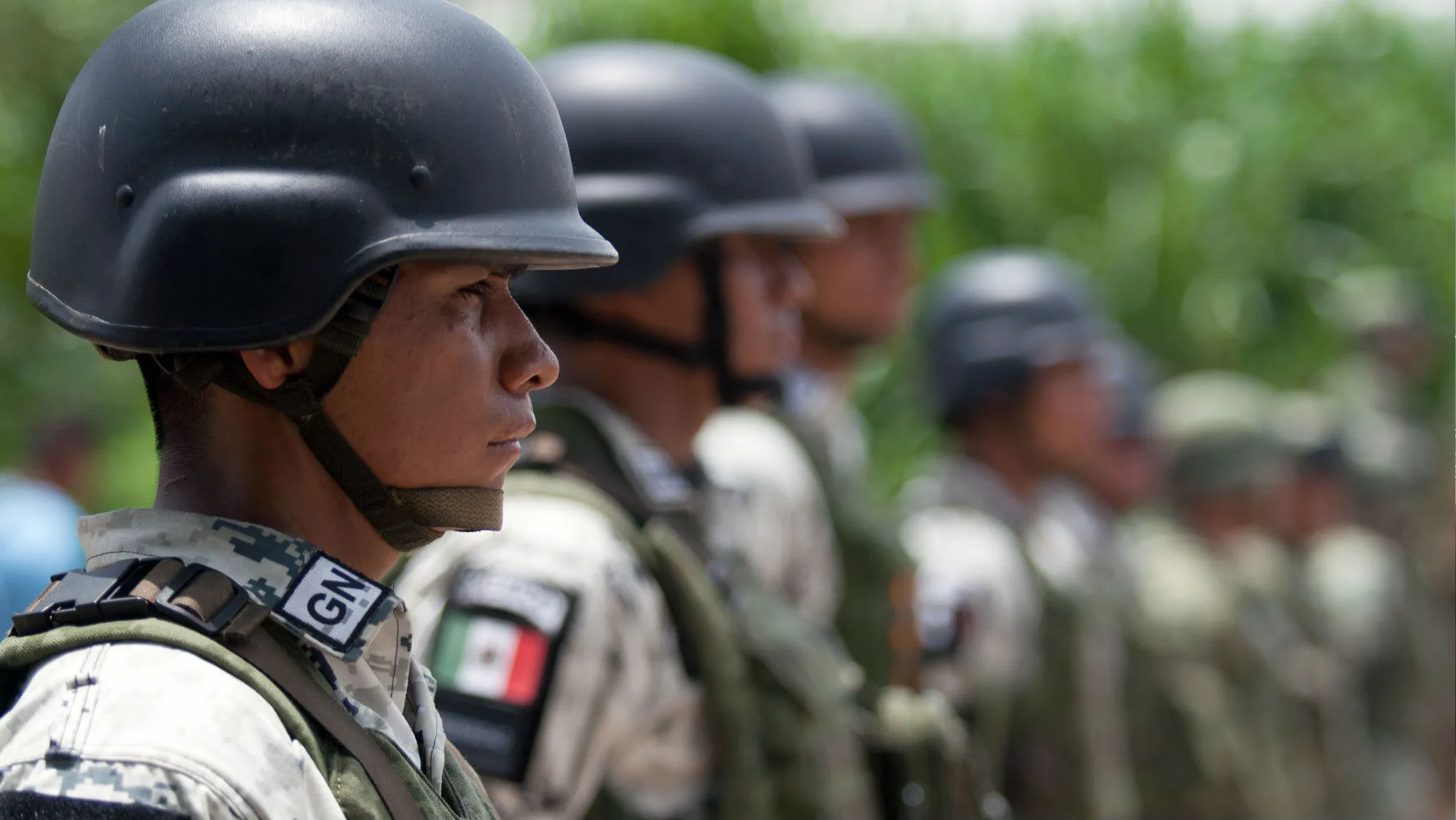
In response, authorities poured roughly 400 to 500 personnel into the affected zone. The force included 280 soldiers, 120 National Guard members, and 80 state police, supported by air and land patrols along the Durango border, a known corridor for armed groups moving between states.
By July 23, the federal response included the arrival of 100 special forces operatives, an elite unit trained for high-risk counter-cartel operations. For residents and foreign observers, the sight of military helicopters and armed convoys signals a temporary restoration of state control, but history across Mexico shows such surges rarely produce lasting security.
Such deployments can temporarily suppress violence and disrupt visible criminal control, but they do not dismantle the deep-rooted logistical and financial networks that fuel cartel warfare. Without sustained intelligence work, judicial prosecutions, and social investment, the underlying territorial disputes inevitably resurface once troops rotate out.
The official response and investigation
Governor David Monreal vowed the perpetrators would “pay” and promised “justice, no impunity.” His strong language reflects the political pressure on state leaders when high-profile massacres make international headlines and threaten investment and tourism.
The state prosecutor’s office is coordinating with Mexico’s Attorney General’s Office (FGR) because the crimes involve both local and federal offenses. This dual jurisdiction is standard in organized-crime cases and allows federal authorities to bring charges that are harder for local corruption networks to obstruct.
Investigators are pursuing leads on possible collusion by public servants and an extortion network, a line of inquiry that acknowledges how deeply cartels have penetrated local institutions. State officials also confirmed the presence of both the CJNG and the Sinaloa Cartel in the entity, and operations continue in the municipalities of Guadalupe and Fresnillo, two other hotspots in the state’s ongoing security crisis.
What this means for expats, investors, and travelers
For the foreign community, the massacre is a stark reminder that Zacatecas remains a high-risk environment despite its cultural and economic appeal. The US State Department and other foreign ministries have long advised against non-essential travel to the state due to widespread crime and kidnapping risks.
Business owners and ranchers, including those with foreign ties, are increasingly caught between cartel extortion demands and limited state protection. The killing of a former mayor and local businessmen signals that political connections and community standing offer little shield against organized crime.
Travelers drawn to Zacatecas for its silver-mining history and baroque architecture should understand that the security situation can deteriorate rapidly and without warning. Even areas far from the immediate crime scene can experience roadblocks, patrols, and an intensified military presence that disrupts daily life and commerce.
What happens next in the cartel conflict
The troop surge will likely produce a short-term dip in visible violence, as has occurred after previous deployments in Mexican hotspots. However, the underlying drivers—the fight for trafficking routes, local extortion markets, and institutional corruption—remain firmly in place.
The public claim by Los Mayos suggests the Sinaloa Cartel’s internal factions are asserting themselves more aggressively, a dynamic that can lead to even more fragmented and unpredictable violence. For foreign observers, the key indicator to watch is whether the federal government follows the military surge with sustained institutional reform or simply repeats a cycle of reactive deployments.
More: Mexico news in English, every day from The Rio Times.
Frequently Asked Questions
What happened in the Zacatecas massacre?
On July 18, 2026, ten people were killed across three municipalities in Zacatecas—Pánuco, Morelos, and Sain Alto. Victims included an ex-mayor, public servants, businessmen, ranchers, and a firefighter, with most dying from asphyxiation or strangulation.
Five men were found hanging from a bridge near Pánuco in a public display typical of cartel intimidation tactics.
Why is Zacatecas so violent?
Zacatecas is a key transit corridor for drugs moving north to the US border, making it strategically vital for organized crime. The Jalisco New Generation Cartel (CJNG) and the Sinaloa Cartel are locked in a bloody fight for control of these routes and local criminal economies like extortion, leading to frequent mass killings and public displays of violence.
What does a troop surge actually achieve?
A surge of military and police forces can temporarily disrupt cartel operations and reduce visible violence in the targeted area. However, it does not permanently resolve the underlying territorial disputes or dismantle criminal networks without sustained judicial prosecutions, anti-corruption measures, and social and economic reforms that address the root causes of cartel power.
Connected Coverage
Walmex Profit Dips as World Cup Lift Falls Short
How Remote Workers Pay About 2% Tax in Mexico: The RESICO Regime
Sources: Authorities.
This article was produced by The Rio Times’ automated newsroom system. How we use AI · Report an error · Editorial responsibility: Matthias Camenzind, Editor-in-Chief
Read More from The Rio Times