Why Did Chile Celebrate the U.S. Copper Tariff Decision?
Chile’s copper industry, a mainstay of its economy, narrowly escaped a major setback after the US applied new tariffs but excluded most Chilean copper exports.
In 2024, Chile sent nearly $6.2 billion worth of copper—mainly as refined copper cathodes—to the United States, making up around a third of all US copper imports. That lifeline supports jobs, tax revenue, and local economies in mining regions like Antofagasta and Atacama.
When the US announced a steep 50% tariff on a range of imported copper products for 2025, Chilean officials worried about devastating national impacts.
Most US copper supplies come from Chile, and American manufacturers use this copper for vital industries like electronics, cars, and defense. If the US taxed Chile’s refined copper, it would have driven up prices and caused disruption on both sides.
Chilean ministries quickly presented reports and lobbied in Washington. Their message was clear: Chile supplies almost all US copper needs, and both countries depend on steady trade.
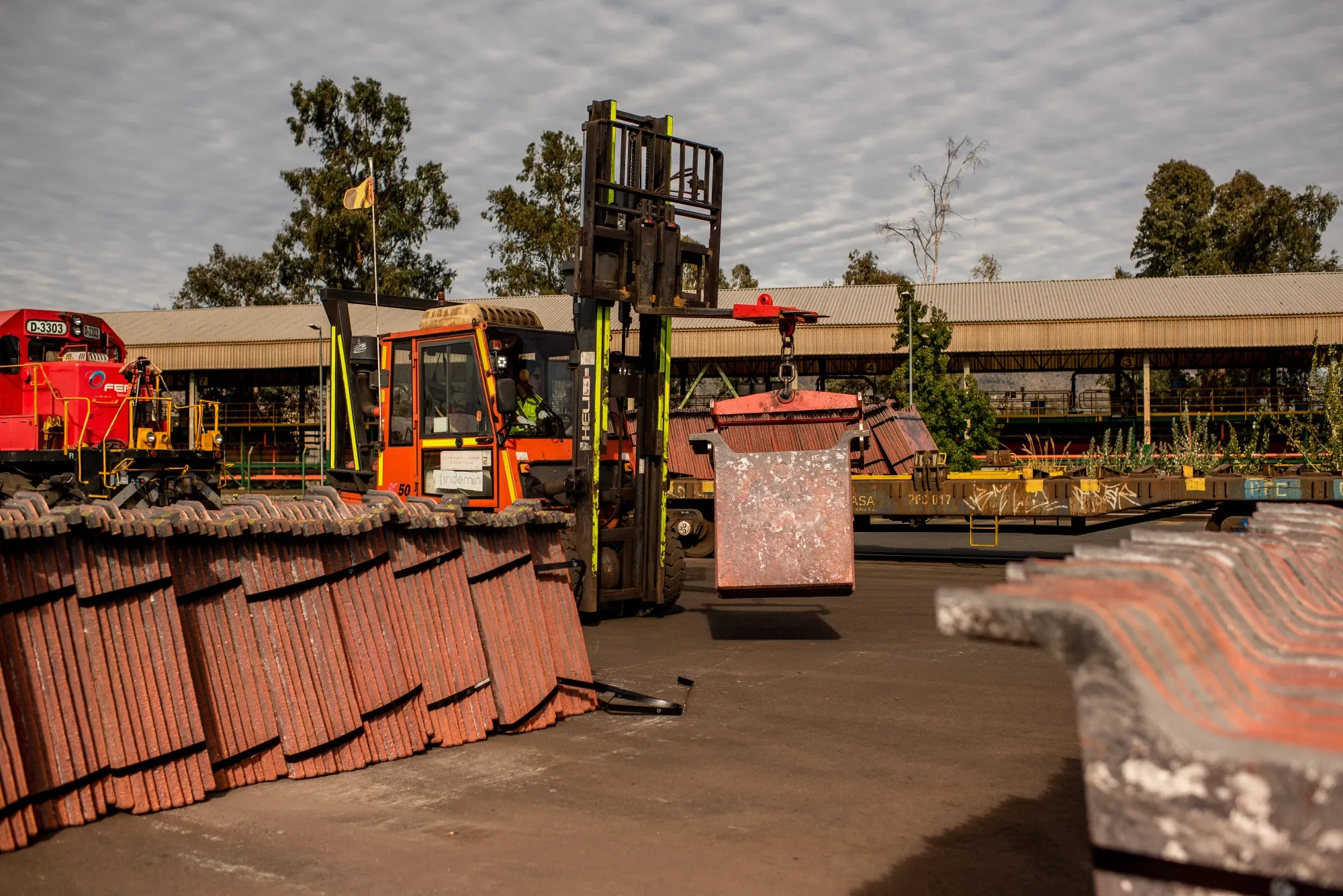
After talks, the US kept tariffs for processed copper goods like tubing and alloys but left refined copper cathodes—the core of Chile’s exports—untouched.
Trade figures revealed how tight the timeline was. Early 2025 saw Chile shipping almost double the copper to the US compared to the year before, as importers rushed to buy ahead of possible new taxes. Analysts called this a move to beat the clock as tensions rose.
Chile’s Copper: Economic Lifeline and Global Supply Chain Anchor
For Chile, copper is more than just a product—it’s the backbone of the economy, usually making up 10-15% of GDP. Codelco, the world’s largest copper company, drives much of this, with private giants like BHP also involved.
The government’s success in keeping copper cathodes tariff-free avoided lost billions, job cuts, and possible social unrest. Copper also matters for the US. It is used in industries from tech to infrastructure.
In 2024, the US imported $17 billion in copper, and Chile was the top source. A sudden disruption would have had ripple effects for costs and supply chains.
This story goes beyond headline trade drama. It shows how central raw materials like copper are to entire economies and how quickly global rules can shift.
When one country’s metal can sway factories in another, nations must act fast to protect their interests—and their people’s jobs. By shielding its main export, Chile protected both its economy and the global supply chain.
It was a textbook case of why resource diplomacy and quick negotiation remain so crucial in today’s world.
More: Chile news in English, every day from The Rio Times.
This article was produced by The Rio Times’ automated newsroom system. How we use AI · Report an error · Editorial responsibility: Matthias Camenzind, Editor-in-Chief
In depth
Copper in Latin America
- Copper in Latin America 2026: Mines, Prices and Politics
- What Is Codelco? Chile’s State Copper Giant, Its Debt and the El Teniente Crisis
- Peru Copper Mining Explained: Output, Big Mines, Exports and Risks in 2026
- Peru Natural Resources Explained 2026