Guyana · Economy
Key Facts
- Deal size — US$85.5M equity plus US$64.5M private co-investment, totalling US$150M.
- Target asset — First Bauxite (FBX) mine in Guyana, plus new calcination facilities.
- US strategy — Reduce reliance on Chinese-controlled refractory-grade bauxite.
- Official visit — Deputy Secretary of State Christopher Landau in Guyana Aug 9–12, 2026.
- Next step — Brown-fused alumina plant to be built in the United States.
- Source split — White House says ’over US$85M’; Kaieteur News details US$150M package.
Washington’s first major critical-minerals equity stake in Guyana targets refractory-grade ore and a new alumina plant on US soil.
Guyana bauxite is the story. The United States is putting real money behind its critical-minerals talk. A US$150 million package — including a US$85.5 million equity stake from the Department of War — will buy and expand the First Bauxite (FBX) mine in Guyana. This is the first big US government equity move in the country’s bauxite sector. It aims squarely at cutting dependence on Chinese-controlled supply of refractory-grade bauxite. The investment comes as Deputy Secretary of State Christopher Landau visits Georgetown from Aug. 9 to 12, 2026, to meet President Irfaan Ali and cabinet members. Energy and critical minerals are the top items on the agenda.
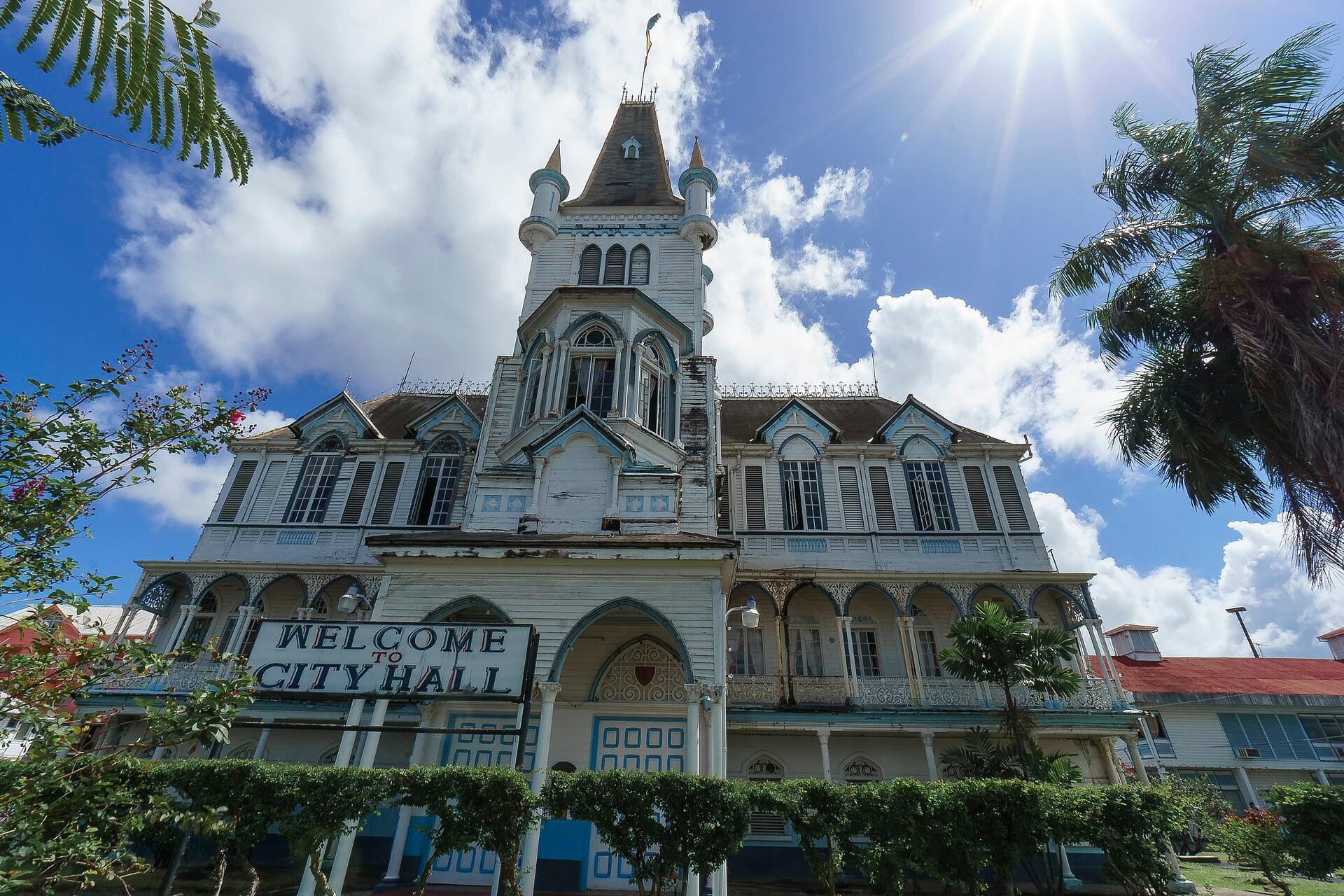
What the US$150M Package Actually Buys: Guyana bauxite
The money splits two ways. The Department of War’s Economic Defense Unit and the Office of the Assistant Secretary of War for Industrial Base Policy are putting in US$85.5 million for an equity stake in Strategic Bauxite USA.
Private co-investors add US$64.5 million. Together, that’s US$150 million aimed at buying and expanding the FBX mine in Guyana.
They’re also funding new calcination facilities in Guyana. Further down the line, a brown-fused alumina plant would rise in the United States.
Brown-fused alumina is critical for refractories — the heat-resistant linings in steel furnaces and cement kilns. China controls most of the global supply.
Washington sees that as a weakness.
The White House fact sheet, released Aug. 9, 2026, confirms the broad strokes.
It says the Department of War is investing over US$85 million in ’Standard Bauxite’ — a name that doesn’t match Kaieteur News’s ’Strategic Bauxite USA’. The difference is notable.
Both sources agree on the strategic goal: secure refractory-grade bauxite supply chains outside Chinese control.
This deal also sends a message to other nations in the region. The US is ready to back its words with actual investment in hard assets.
Why Guyana, Why Now
Guyana has the right kind of bauxite. The refractory-grade ore there is high quality and relatively easy to access.
China has dominated this market for years, and the US wants a reliable alternative. Guyana is politically stable, close to US markets, and open to foreign investment.
For the US, this is about supply security. Refractory-grade bauxite is essential for making steel and cement, which are foundational for any economy.
If China decides to restrict exports, US industry would feel the pinch. This deal is a hedge against that risk.
The timing also matters. Deputy Secretary Landau’s visit is a clear signal that the US is serious about deepening ties with Guyana.
The country is already a growing oil producer, and now it’s becoming a critical minerals partner. That two-pronged relationship is rare in the region.
The choice of Guyana is no accident; its reserves are vast and its government is cooperative. This makes it a natural fit for US strategic goals.
What It Means for Investors and Expats
If you invest in Latin America, this deal is a template. The US government has now put equity — not just loans or grants — into a mining project in the region.
That changes the risk picture. A US government-backed mine in Guyana is a different asset than an unbacked one, especially with China’s role in critical minerals under scrutiny.
For expats living in Guyana, watch for knock-on effects. Infrastructure spending around mining towns, new logistics demand, and a possible influx of US technical staff could shift property and service markets.
The calcination facilities won’t be built overnight, but the project pipeline is real.
The brown-fused alumina plant in the US is a long-term signal. It means the US is willing to invest in downstream processing now, with the mine as the upstream anchor.
That vertical integration is rare for US government investments abroad. It could attract private capital into Guyana’s mining services sector.
For local businesses, this could mean new contracts and more jobs. But it also brings the risk of rising costs if demand outstrips supply.
Discrepancies and Open Questions
The numbers don’t fully line up across official sources. The White House says ’over US$85 million’ into ’Standard Bauxite’.
Kaieteur News reports US$85.5 million into ’Strategic Bauxite USA’ with US$64.5 million in co-investment. The difference could be a typo or a change in corporate name.
Either way, the total package is US$150 million per Kaieteur, and the White House doesn’t dispute that figure.
One oddity: the Office of the Assistant Secretary of War for Industrial Base Policy — that’s a new entity under the Department of War, created after the 2025 reorganization. It has a narrow goal: make sure the US military has access to critical materials.
Bauxite for refractories fits that goal because blast furnaces need those linings.
The Guyana government hasn’t officially commented on the deal, despite the investment being announced. Kaieteur News noted that silence.
That’s unusual for a transaction involving a sovereign’s mineral resources. Watch for a statement from the Ministry of Natural Resources in the coming days.
If Guyana pushes back, the deal could stall.
For now, the investment is announced, not closed. Legal and regulatory approvals in both countries are pending.
The visit by Deputy Secretary Landau could be the platform for a formal signing or at least a public endorsement. Expect more details by Aug.
12, when he leaves Georgetown.
Frequently Asked Questions
What is the Guyana bauxite deal worth?
Kaieteur News reports the total package at US$150 million: a US$85.5 million equity investment from the US Department of War plus US$64.5 million in private co-investment. The White House fact sheet says only ’over US$85 million’, so the full figure isn’t officially confirmed.
What will the money be used for?
It will buy and expand the First Bauxite (FBX) mine in Guyana. It also funds new calcination facilities in Guyana and eventually a brown-fused alumina plant in the United States.
Why is the US investing in Guyana bauxite?
To reduce reliance on Chinese-controlled sources of refractory-grade bauxite. This grade is essential for making refractories used in steel and cement production. China dominates supply, and Washington sees that as a strategic risk.
Who is the US official visiting Guyana?
Deputy Secretary of State Christopher Landau. He is in Guyana from Aug. 9 to 12, 2026, and will meet President Irfaan Ali and cabinet members. Energy and critical minerals are the focus.
Connected Coverage
Sources: US White House and Department of War statements; Kaieteur News; Office of the President of Guyana; Reuters
This article was produced by The Rio Times’ automated newsroom system. How we use AI · Report an error
Read More from The Rio Times