UK’s Digital Prison Experiment: A Risky Gamble with Privacy and Freedom
The United Kingdom faces a critical juncture in its approach to criminal justice. With prisons bursting at the seams, the government has proposed a radical solution: virtual prisons. This concept aims to transform homes into high-tech detention centers, raising alarm bells among privacy advocates and civil liberties groups.
Justice Secretary Shabana Mahmood unveiled plans to “reshape punishment outside of prison.” The proposal includes expanding home detention curfews and implementing round-the-clock surveillance through GPS tags, smartphones, and smartwatches. Officials claim this approach creates a prison-like environment without physical walls.
The UK prison system currently holds over 87,000 inmates, exceeding capacity by more than 9,000. This overcrowding has led to embarrassing situations internationally. In one case, a German court refused to extradite a suspect to the UK due to concerns about prison conditions.
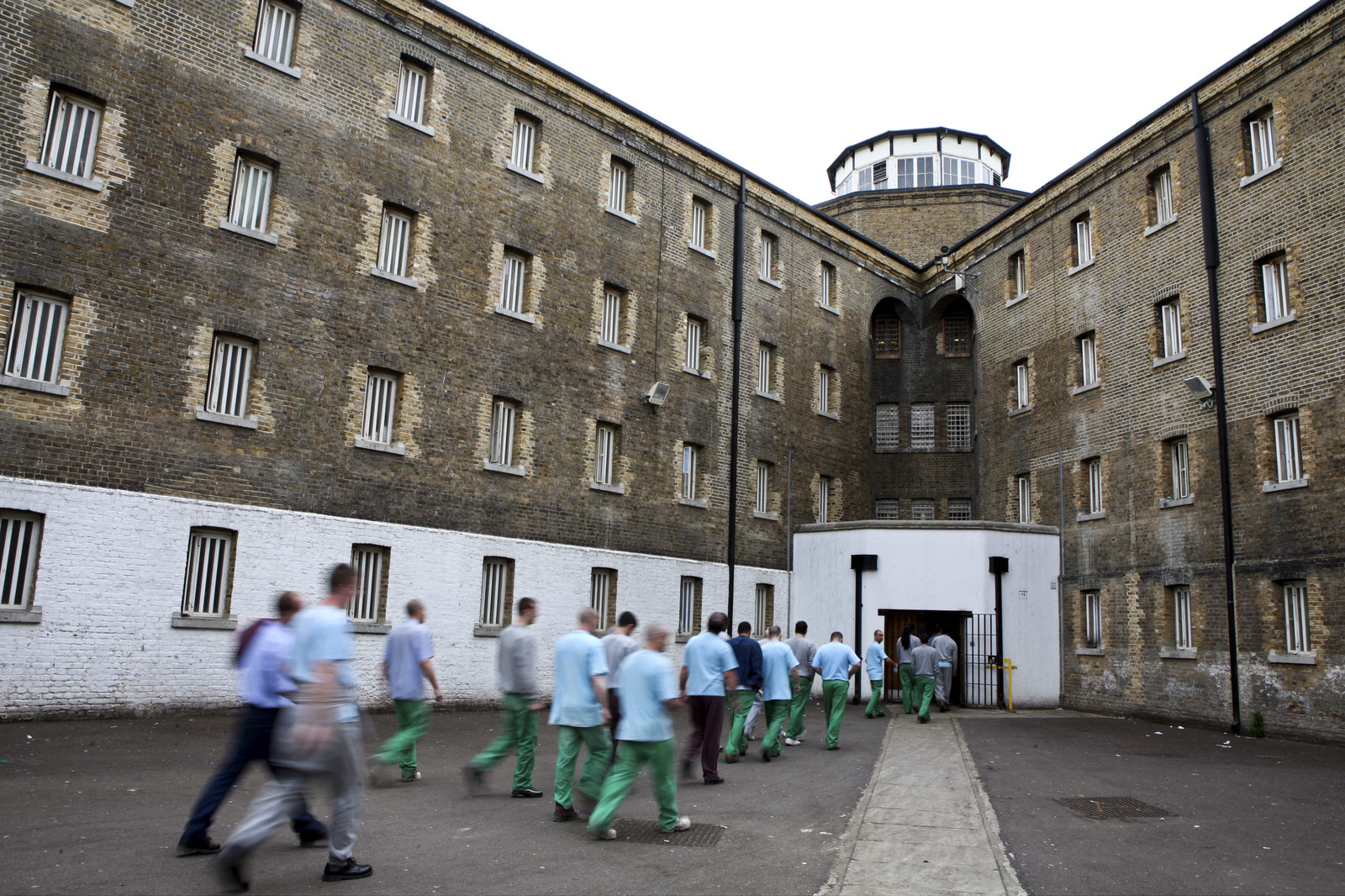
To address this crisis, the government proposes using technology to monitor offenders at home. Sensors would track movements, while AI software could predict suspicious behavior. Virtual reality headsets might even provide job training. Officials argue these measures offer alternatives to traditional incarceration and could aid rehabilitation.
UK’s Digital Prison Experiment: A Risky Gamble with Privacy and Freedom
However, critics view these plans as a dangerous expansion of state surveillance. They worry about potential mass surveillance of the general population and easier government access to private data. Robin Wilton of the Internet Society warns there’s “no such thing as personal data with no privacy implications.”
These proposals fit into a broader trend of expanding digital surveillance in the UK. Recent legal changes have granted authorities new powers to access personal data and monitor online activities. Critics fear these combined efforts could lead to a pervasive surveillance state.
Rewriting Reality: Unchecked A.I. as Threat to Personal Freedom and Human Rights
Supporters claim virtual prisons are necessary for public safety and offender monitoring. They believe this approach could reduce prison populations and cut costs. However, opponents see it as dystopian and potentially counterproductive for rehabilitation.
The debate highlights tensions between security needs and individual freedoms. As the UK considers this digital prison experiment, it must carefully weigh the perceived benefits against the long-term costs to privacy and civil liberties. The outcome may set a precedent for how democratic societies balance surveillance and incarceration in the digital age.
This article was drafted with automated assistance and reviewed before publication. How we use AI · Report an error
Read More from The Rio Times