The Silent Shift: Climate Change’s Hidden Impact on Submarine Warfare
NATO scientists are racing to understand how climate change is altering the detection of enemy submarines.
This research is crucial as temperature, salinity, and pressure shifts impact how sound travels underwater, the primary method for locating subs.
These changes complicate anti-submarine warfare, especially with increased Russian and Chinese submarine activity.
Underwater microphones now pepper the Arctic, transmitting sound to study propagation changes.
Experiments pause for nearby marine mammals to avoid disruption. Scientists are re-evaluating everything, especially ocean salinity and temperature.
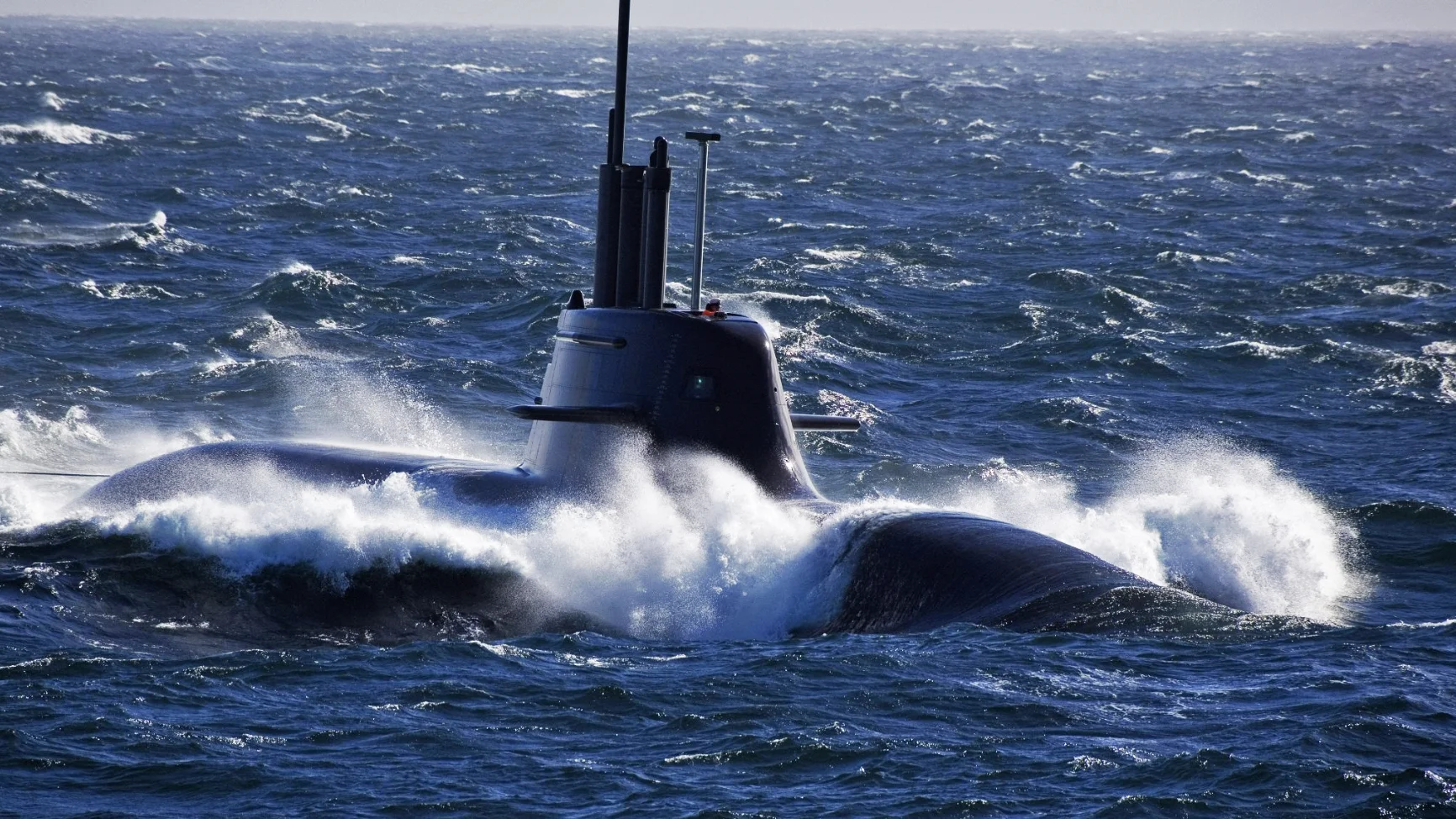
The consequences are significant. Modified sound patterns could make detecting hostile subs harder, giving strategic advantages to adversaries.
Russia’s Atlantic operations and China’s Arctic ambitions might exploit these new conditions, straining NATO‘s defenses.
This research highlights the need for a multidisciplinary approach, combining climate science, oceanography, and military strategy.
It suggests a potential shift in geopolitical focus, with the North Atlantic gaining strategic importance. As NATO faces these environmental changes, ensuring effective defense remains a priority.
These efforts are part of a broader initiative to address climate-related security risks.
By understanding these emerging threats, NATO aims to maintain its strategic edge and operational readiness in an evolving environment.
This work is vital to adapting defense strategies in a world where the natural environment no longer remains constant.
In conclusion, the intersection of climate change and submarine detection underscores the profound impact environmental shifts can have on global security.
As seas warm and ice melts, NATO’s ability to detect and track enemy submarines could be compromised, necessitating urgent scientific and strategic adaptations.
In short, the stakes are high, and the need for innovative solutions has never been more pressing.
This article was produced by The Rio Times’ automated newsroom system. How we use AI · Report an error · Editorial responsibility: Matthias Camenzind, Editor-in-Chief
Read More from The Rio Times