In June 2022, NATO allies signed the 2022 Strategic Concept at the Madrid Summit, committing to enhancing global awareness to counter threats.
They aimed to address security challenges in the Middle East, North Africa, the Sahel, and Sub-Saharan Africa.
Recognizing the importance of NATO’s southern neighbors, the 2023 Vilnius Summit tasked the North Atlantic Council with exploring threats and collaboration.
They aimed to work with partner countries, organizations, and relevant actors in these regions.
In October, NATO Secretary General Jens Stoltenberg appointed an independent Expert Group to create a comprehensive report.
The final report, presented on May 7, will be discussed at the NATO Summit in Washington from July 9 to 11.
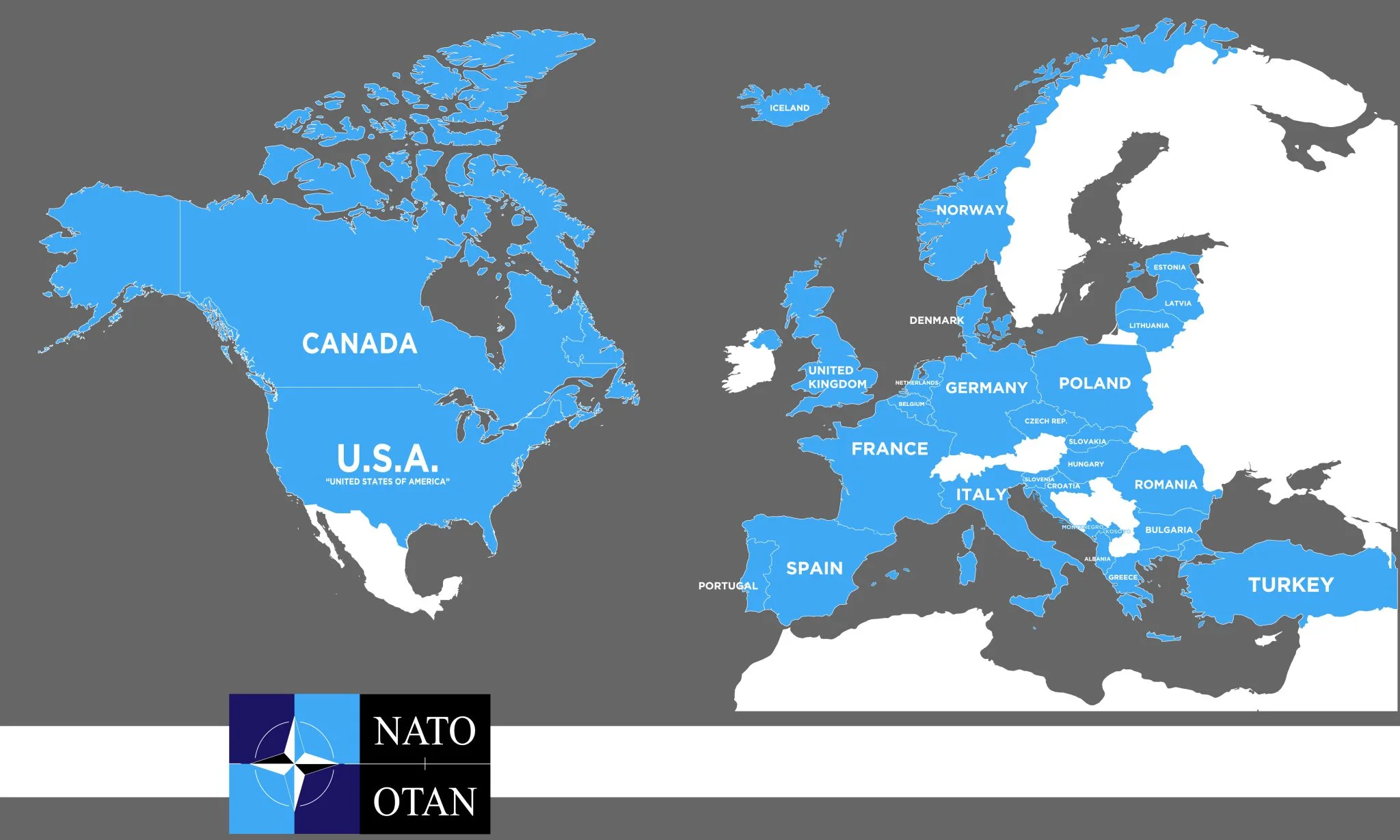
The report includes recommendations for NATO’s engagement with southern neighbors.
It is divided into five sections: guiding principles, regional approaches, cooperation areas, collaboration with organizations, and internal NATO structures.
The Expert Group provided practical recommendations for NATO to strengthen its approach with southern neighbors.
These suggestions are organized geographically and thematically. Some recommendations are immediate and short-term.
Others address long-term structural issues. They propose revising NATO’s interactions with southern partners and encourage allies to maintain or expand existing practices.
The report addresses security challenges in the Middle East, North Africa, the Sahel, and Sub-Saharan Africa.
These regions face conflicts, fragility, instability, demographic, economic, and political issues, climate change, and health emergencies.
These factors create a fertile ground for non-state groups, terrorist organizations, organized crime, drug trafficking, and illegal immigration.
The report also considers destabilizing interference from strategic competitors. Russia fuels and benefits from regional tensions and instability.
It increases its presence from Syria to the Sahel. This poses geopolitical challenges on NATO’s southern flank.
Addressing Southern Threats: NATO’s Strategic Plan
Additionally, China advances its geopolitical agenda, expanding its influence among NATO’s southern neighbors. This includes military presence and control of key ports.
Key recommendations include:
- Appointing a Special Envoy for Southern Neighbors to oversee NATO’s activities.
- Convening a summit with southern partners to discuss cooperation.
- Considering a permanent NATO mission for training and capacity-building.
- Utilizing the Special Coordinator for Counterterrorism to highlight NATO’s role in counterterrorism.
- Establishing regular consultations between NATO’s Secretary General and EU leadership on southern neighbors.
- Creating a “Facts for Peace” initiative to combat disinformation with education, training, and support for media in southern neighboring countries.
Implementing these recommendations would be a crucial step for NATO to address the southern threat.
It would complement efforts to counter the eastern threat, enhancing security on NATO’s southern flank.
The upcoming NATO Summit in Washington must approve many of these recommendations.
This balanced effort between eastern and southern threats is vital for Spain’s security interests.
This report reflects the views of the independent Expert Group, not NATO, the Secretary General, or any allies or partners.
However, it presents a justified realpolitik perspective.
This article was produced by The Rio Times’ automated newsroom system. How we use AI · Report an error · Editorial responsibility: Matthias Camenzind, Editor-in-Chief
Read More from The Rio Times