Tensions Rise with U.S. Submarine’s Arrival in Cuban Waters
In a recent unfolding at Guantanamo Bay, the arrival of the US submarine USS Helena marks a notable moment in US-Cuba relations.
Positioned about 800 kilometers east of Havana, this event has sparked a wave of disapproval from Cuban authorities.
Guantanamo Bay, often viewed by Cuba as wrongfully held by the US, has long been a point of contention.
Carlos Fernández de Cossío Domínguez, Cuba’s Deputy Foreign Minister, emphasized that the deployment occurred without Cuba’s consent.
He stated that Havana never approved the US naval operations in its sovereign waters, despite being informed.
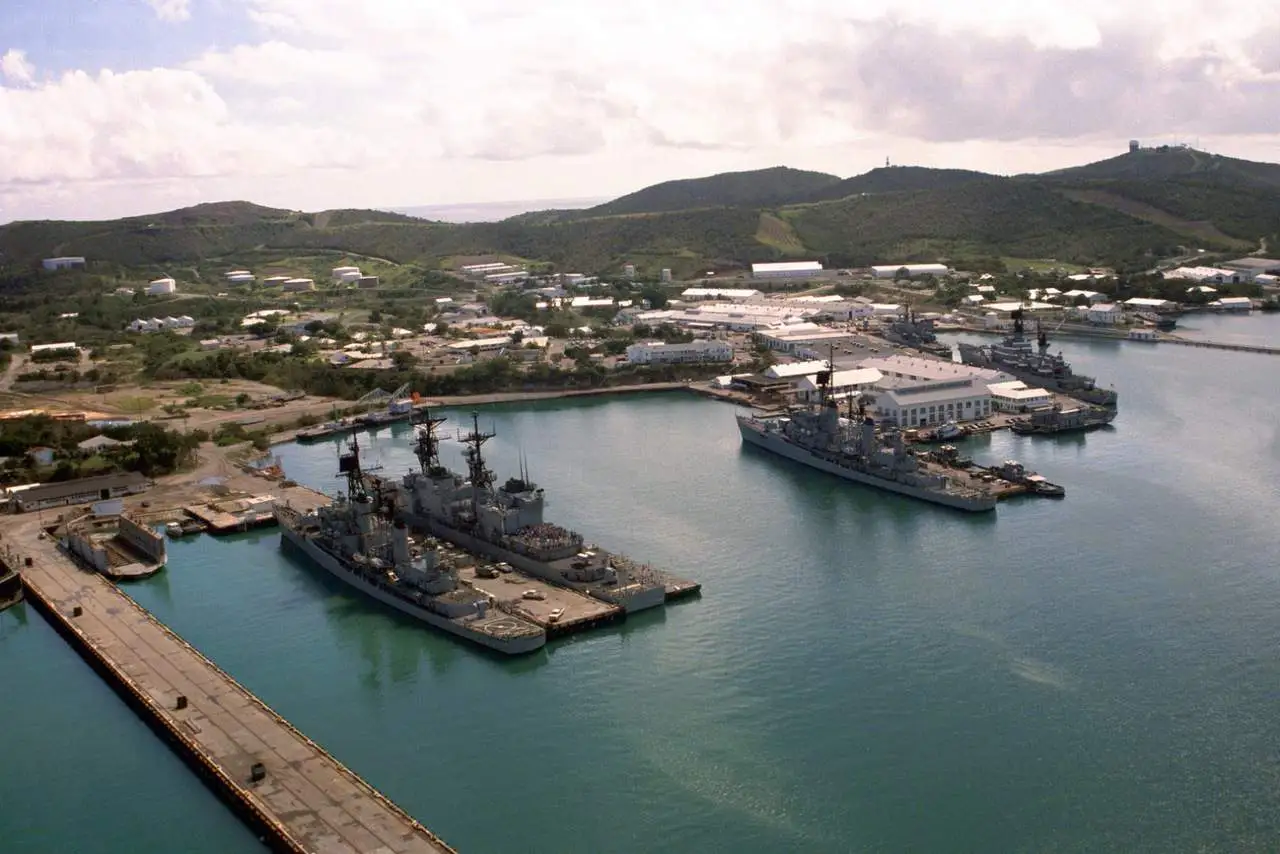
Cossío harshly criticized the ongoing US military presence as both illegal and against the will of Cuban citizens.
“It is an unauthorized military occupation,” he declared, signaling deep-seated grievances.
According to him, maritime visits typically require a host nation’s invitation, clearly lacking in this case.
Coinciding with this, a Russian naval group also docked at Havana on June 12.
This fleet, including the frigate Gorshkov and the nuclear submarine Kazan, enjoys Cuba’s endorsement.
Their visit until June 17 represents a strong Russo-Cuban alliance, reinforcing historical ties without escalating regional tensions.
Tensions Rise with US Submarine’s Arrival in Cuban Waters
Interestingly, the Russian vessels, declared non-nuclear by Cuba’s Foreign Ministry, highlight a stark contrast to the perceived threats from the US naval activities.
This strategic diplomacy underscores Cuba’s approach to international relations, favoring alliances over confrontations.
As this geopolitical dance continues, other friendly naval engagements are on Havana’s horizon.
The Royal Canadian Navy’s HMCS Margaret Brooke and Venezuela’s AB Simón Bolívar will visit to foster cooperation and friendship.
These events reflect the complexities of global naval diplomacy and the balance of power in the Caribbean.
Cuba’s firm stance on sovereignty and varied responses to naval presences show the interplay of international politics and regional security.
This article was produced by The Rio Times’ automated newsroom system. How we use AI · Report an error · Editorial responsibility: Matthias Camenzind, Editor-in-Chief
Read More from The Rio Times